


Opinion
The Welsh brain drain: An honest response from Australia
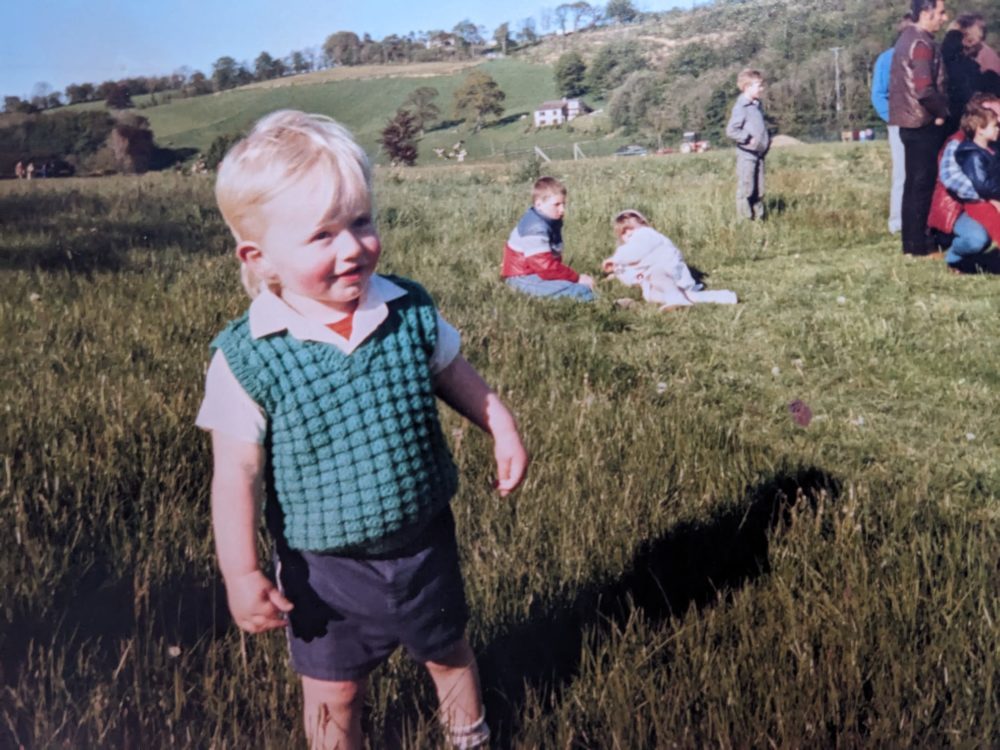
Matt Howells, Secondary School Teacher in Victoria
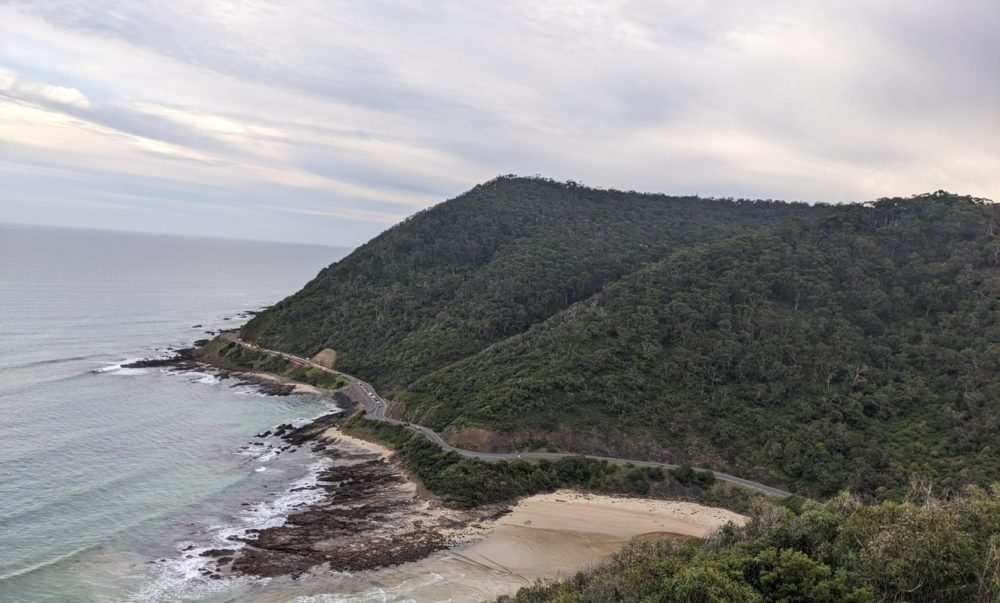
It’s morning in a rural town in Victoria, Australia and I don’t think I’ll ever get used to the deep winter in July.
Messages from friends back home in Wales tell me how they are still wearing their winter clothes and haven’t seen the sun in months.
Yet here, despite the freezing morning temperatures, the sky feels bigger and the sun stronger.
“Bore da!” I hear from the car park across the road. I may be 10,000 miles away, but it feels like home.
It’s Anwen, my colleague. A fellow teacher and immigrant from Ceredigion, we chat in Welsh about how we spent our three weeks’ holiday as we climb up the hill to the school.
Some students listen on in fascination at hearing us speak this unfamiliar language. As we reach the gate, we go our separate ways.
Her classroom is festooned with Welsh flag bunting.
[mid-content-banner]
“Are you Irish?"
It's a new term, and so the first day is spent meeting brand new classes as they change every semester.
I answer the regular questions of “Where are you from?”, “Are you Irish?”, “Do you support Wrexham, sir?” and entertain them with my party trick of writing Llanfairpwllgwyngyllgogerychwyrndrobwllllantysiliogogogoch on the board and listening to their entertaining attempts to pronounce it.
As the lesson draws to a close, I wonder what my life would be like today had I stayed in Wales.
What would I be doing, where would I live, and how much would I earn?
The answers come easily: Nothing meaningful, probably Cardiff, and not enough to live on. And so, I go to the staff room for recess.
[taboola-banner]
Chasing the wind
So, what drove me from Wales? Brain drain is nothing new and affects several countries.
From Greece to Armenia, and Albania to Estonia, many small nations see their brightest and best leave for better opportunities in foreign countries.
Many Welsh flocked to London during the Middle Ages, and that trend continued with the dairymen during the 19th and 20th centuries. My story is no different.
News that GlobalWelsh, a Welsh diaspora organisation is launching a major research project as to why so many Welsh people leave Wales is welcome, but asking on what basis they might return is chasing the wind.
Before becoming a teacher, I spent many years working as a journalist, in communications, as a copywriter, and translator amongst other things.
I’m a fluent Welsh speaker with three postgraduate qualifications.
Australia is the sixth country I’ve lived and worked in, having previously resided in Norway, Germany, The Netherlands, and China.
But why? Because Wales offers nothing to the ambitious or talented.
I spent time in Welsh language media, but couldn’t bear the small-mindedness and nepotism.
I walked out of a job as a press officer role due to bullying and for asking why the Patagonia colony in Argentina was something to celebrate in a lengthy anniversary documentary series but why people who speak Welsh in Canada, Australia or New Zealand don’t get a look-in.
Trying my hardest to stay in Wales, I accepted a government job in Bangor, only for it to pay a pittance and the contract to end after seven months.
It was then that I decided that enough was enough and to try my luck abroad.
[lower-mid-content-banner]
Respect and reward
And what did I find in the fjords of Norway, the hip streets of Kreuzberg in Berlin, the NGO-ladened quarters of The Hague and the megalopolis of Shanghai?
Respect and appreciation for talent. Much higher salaries. Efficiency. Better work-life balance. The list goes on.
I don’t want to berate my home country. I am no Caradoc Evans. Welshness and the Welsh language are huge parts of who I am.
But let’s get real, you can’t live the poetry of Gerallt Lloyd Owen or feed a family on cultural pride.
Dwelling on industrial heritage in the valleys doesn’t provide a future. Rugby and male voice choirs are cultural anachronisms and tired cliches that might garner hits online, but mean nothing to me or most of my generation.
Cracks showing
I was proved correct upon my latest visit to Wales last Christmas.
It was shocking but not surprising to see that things have got worse.
The streetscape of Cardiff had completely transformed, and not for the better.

Visiting the Christmas market in my hometown in Ceredigion felt like I was in England, such was the rapid anglicisation of the area and the brain drain of natives.
And where did they mostly go? To south east Wales.
I would understand if Cardiff was a hive of private sector activity with wealth-creating jobs, but stepping off the train at Central Square tells you all you need to know – it’s a public sector/third sector sinecure basket case.
The first buildings you see are BBC Wales, Cardiff University, the Tax Office, and now the bus station.
Most decent jobs pay little more than 30,000, which isn’t a wage you can realistically live on.
And these are jobs that could easily be worked from home and help keep people in their communities should they choose to live there.
I don’t really believe in hiraeth. It’s gone the way of popty ping as a word that is more English than Welsh and has no meaning.
I do, however, remember the happier days of my youth in Ceredigion where families were larger (and the majority of whom were Welsh speakers), where people were employed locally and a full life could be lived in Welsh. Now, most of that is gone.
And part of the reason is because people like me aren’t there.
But how is a young person supposed to afford a £300,000 bungalow on a salary of £22,000 with £40,000 in student debt?
Closed shop
I should feel guilty about being in Australia, but I don’t. I tried my utmost to stay at home, but it just wasn’t possible.
Wales is a poor, closed shop with no space for anyone with drive.
Do I miss the green, green grass of home? Sometimes.
I miss friends and family, British humour and supermarkets, but no romanticised notion of hiraeth can make up for the horrific political, cultural, social, and economic realities of living in Wales and I won’t be going back.
Australia may be mostly desert, but what little grass they have here is far, far greener.
Adre
The final bell of the school day has just rung.
I walk down the hill to the railway station with Anwen, and several other teachers from abroad. Many are Irish, Scottish, Singaporean, Kiwi and Indian.

This Sunday, I will be attending the Welsh-language Melbourne Church service, reading the news from Wales, reading a Welsh novel and speaking on the phone to my family in Welsh.
I’ve created my own little Wales here, and it’s far better than the real thing back home.
Do I sound like a white settler? Well you can also tell that to the people of Chubut and Gaiman in Patagonia.
My advice to anyone thinking of leaving Wales for Australia or elsewhere?
Be your own kind of Welshman and find your own Wales somewhere else and live it.
Gwell Cymro, Cymro oddi cartref.
Support our Nation today
For the price of a cup of coffee a month you can help us create an independent, not-for-profit, national news service for the people of Wales, by the people of Wales.
Get more trusted Welsh news
Choose Nation.Cymru as a preferred source in Google News to see more of our journalism.
