


Opinion
Why rural Wales' post-Brexit fate chills me to the bone
Ifan Morgan Jones
In the Welsh sci-fi novel Wythnos yng Nghymru Fydd the protagonist travels to the year 2033 and visits a dystopian future Wales – now called Western England - covered by military ranges and forest.
Wales’ rural society has died out completely, and its culture with it. Here he meets the last Welsh speaker who recites Plasm 23 – ‘Yea, though I walk through the valley of the shadow of death’ – before herself perishing.
Although a very good novel, Wythnos yng Nghymru Fydd, published 60 years ago this year, was written as a piece of nationalist propaganda. The aim was to shock 1957's readers into action.
Well, take a good look at yourself, Wales, because the novel may have got it right: In a few years, your famous landscape could look rather similar to Islwyn Ffowc Elis' nightmare scenario.
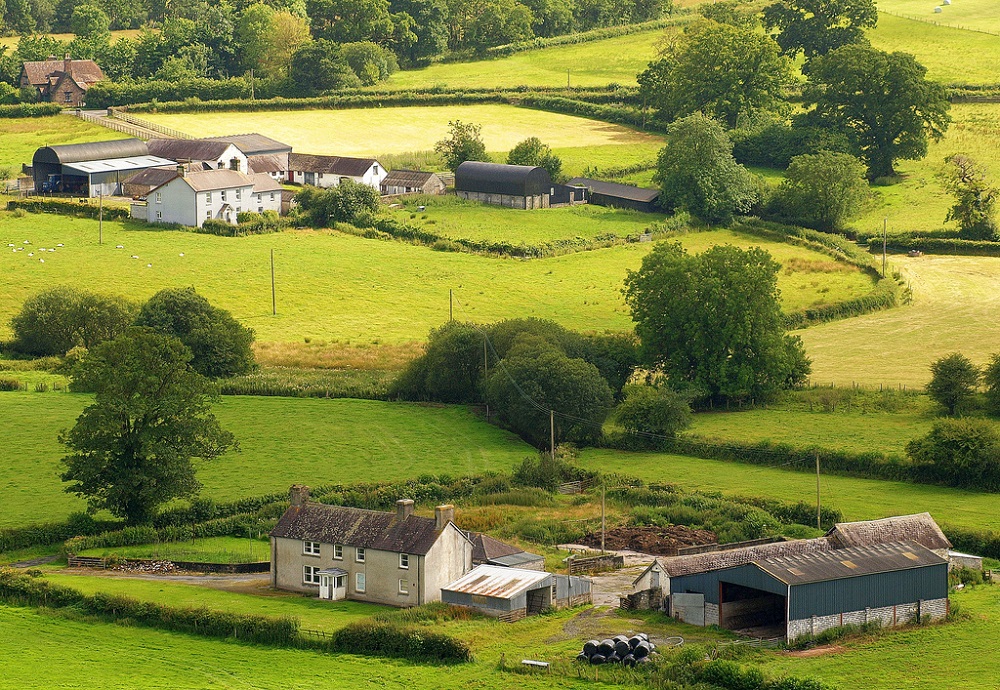
Wales is mostly agricultural land, but only 5% of it is good for growing crops. 80%, however, is fine for grazing. That means sheep, sheep and more sheep.
We may groan at the sheep jokes but Wales’ ‘look’ – the patchwork of undulating grassy fields and craggy rocks – has been cultivated by these animals over hundreds of years.
This is all about to change with Brexit. If Wales crashes out of the EU with no deal, Welsh farmers face tariffs of almost 50% on meat.
About a third of lamb in the UK is exported and a big chunk of that meat comes from Wales. Sheep farming, never a booming industry, is about to get a lot less viable.
The UK Government could, of course, come to a deal with the EU that is favourable for farmers, although this is unlikely as industries closer to London are likely to be the priority.
But even then, farmers will lose a big chunk of their income. According to the Farmer’s Union of Wales subsidies from the EU are worth about 80% of Welsh farmers’ incomes.
Farmers only earn an average of £13,000 in Wales – a minimum wage job, basically. They would be on £2,600 without EU subsidies.
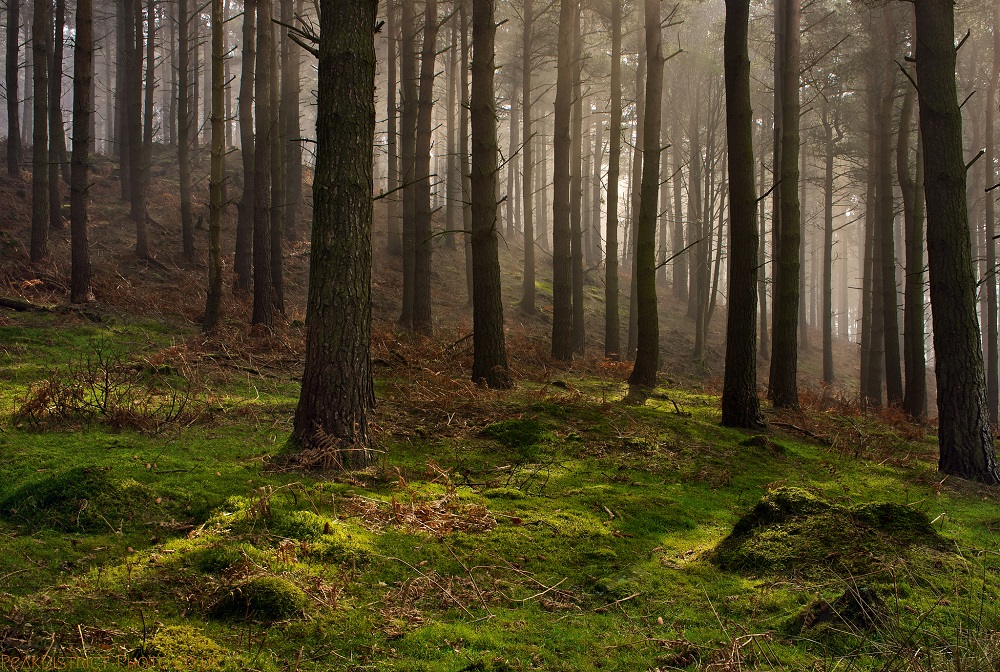
Rewilding
Brexit is so disastrous for farmers I’m not sure why so many I spoke to leading up to the vote seemed so keen on the idea. Why Welsh Conservative leader and farmer, Andrew RT Davies, wants it, I can’t fathom.
But it’s not just farmers that will take a hit. Take them out of the equation, and the entire environmental, economic and cultural ecosystem of rural Wales collapses:
- Wales is going to look radically different, becoming mostly woodland rather than green fields. Picturesque ‘Wild Wales’ is gone. What effect will that have on tourism?
- There’s an industry of vets, shops, abattoirs, auctioneers and suppliers built around serving farmer’s needs. How do we sustain the rural economy?
- If the rural economy has its legs kicked out from under it, how then do we save Wales’ language and culture? How do we stop the brain drain and encourage the young to stay in their communities?
You could argue that not all of these changes will be bad, of course. There are highly respected environmentalists who have long argued that sheep are a plague on Wales’ landscape.
The romantic idea of a ‘rewilded’ Wales full of beavers and wolves is one that appeals to many.
But the problem with ‘rewilding’ rural Wales is that the country isn’t just a park – there are people living here too who have their own history, language and culture.
Take away one Jenga block – the agricultural economy – and what gives a large portion of Wales its already fragile sense of identity could go with it.
We could soon be facing the uninhabited, forbidding forest of Western England as prophesied by Islwyn Ffowc Elis. And it may be too late to do anything about it.
Support our Nation today
For the price of a cup of coffee a month you can help us create an independent, not-for-profit, national news service for the people of Wales, by the people of Wales.
Get more trusted Welsh news
Choose Nation.Cymru as a preferred source in Google News to see more of our journalism.
