


Opinion
Lack of education on Welsh history has failed us all
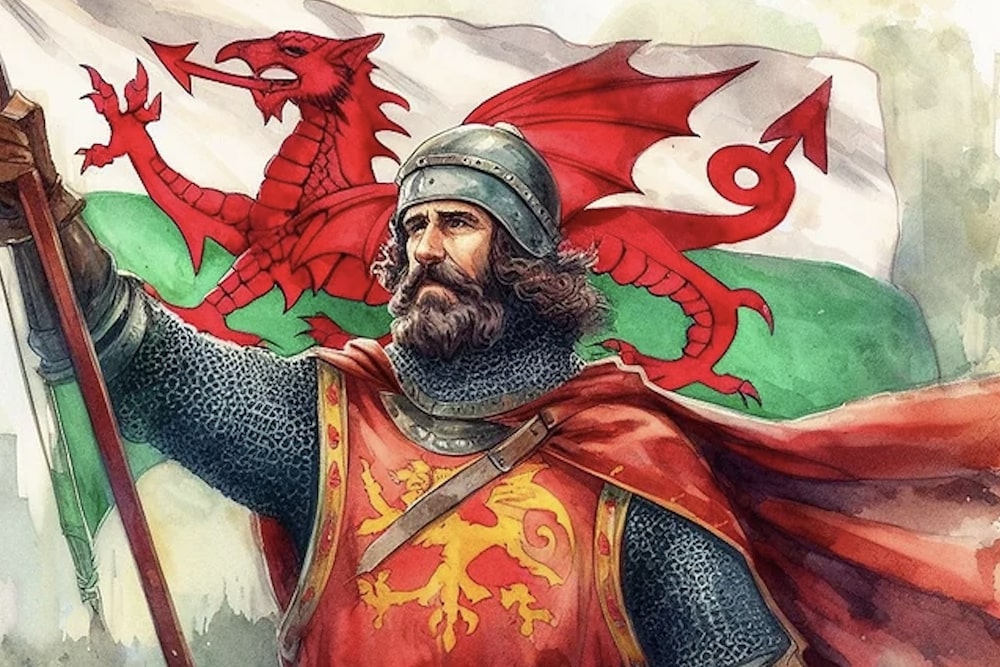
Niklas George
Given that I run a Welsh history website; write/edit a monthly Welsh history magazine and operate a popular Welsh history social media with a combined following of over 60,000 people, you might be forgiven for thinking that I have a long-time, deep-seeded affection for the subject.
On the contrary, I had always found it boring. Criminally, I found it boring all the way until the age of 29, when I was talked into launching the Welsh Histories Facebook page by my wife who, at that time, had never even been to Wales (and had only just learned of its existence through me).
I research all manner of Welsh historical topics to keep our community engaged and this process has taught me just how fascinating the subject is – a hidden gem lying beneath the even larger, more polished and renowned diamond that is British history.
[mid-content-banner]
What I have learned over the past 14 months is that it is not the subject of Welsh history that is boring but, sadly, the way many of us were taught it – which means not taught it at all.
I attended secondary school at the now defunct Blessed Edward Jones Catholic High School in Rhyl between 2005 and 2010. Rhyl is not exactly known for being a beacon of Welshness in an otherwise proudly Welsh county and is often wrongfully claimed to be an extension of the Wirral.
Denbighshire, however, is, home to many Cymraeg speakers and boasts a colourful Welsh history, having mostly been a part of the Kingdom of Gwynedd during the height of the Welsh kingdoms.
Nevertheless, during my schooling experience, I learned nothing about this history. In fact, the only bit of Welsh history that I remember learning during my five years at high school (and I did take the subject at GCSE level) was the Romans conquering our Brythonic ancestors; the so-called Welsh Tudor family annexing us and the working-class descendants of the conquered Welsh people being sent to die in World War 1 and World 2. Hardly a patriotic Welsh history, if you ask me.

I learned nothing of Welsh heroes, such as Llywelyn Fawr in the north and Rhys ap Gruffydd in the south. Only recently, while looking for things to write about for Welsh Histories, did I discover the tragic warrior princess, martyr of Welshness that is Gwenllian. Betsi Cadwaladr. I thought that was the combination of two Welsh words used for the local health board - not an actual, brilliant and historic Welshwoman who deserves to be talked about at the same level of her rival, Florence Nightingale.
Yes, we learned about Buddug (Boudica for some) during primary school, but she is often claimed by East Anglia – so we can’t even properly claim her as Welsh, despite her spoken language almost certainly having been Brythonic as opposed to Saxon, Norman or English.
We held prayers for Aberfan but learned nothing of the causes of the horrific tragedy – we didn’t learn anything at all about Welsh mining history.
Instead of realising that Welsh history was so absent from my Welsh schooling experience, I just accepted it was too boring for school. I carried this thought into my A-Levels where, once more, I learned nothing about Welsh history.
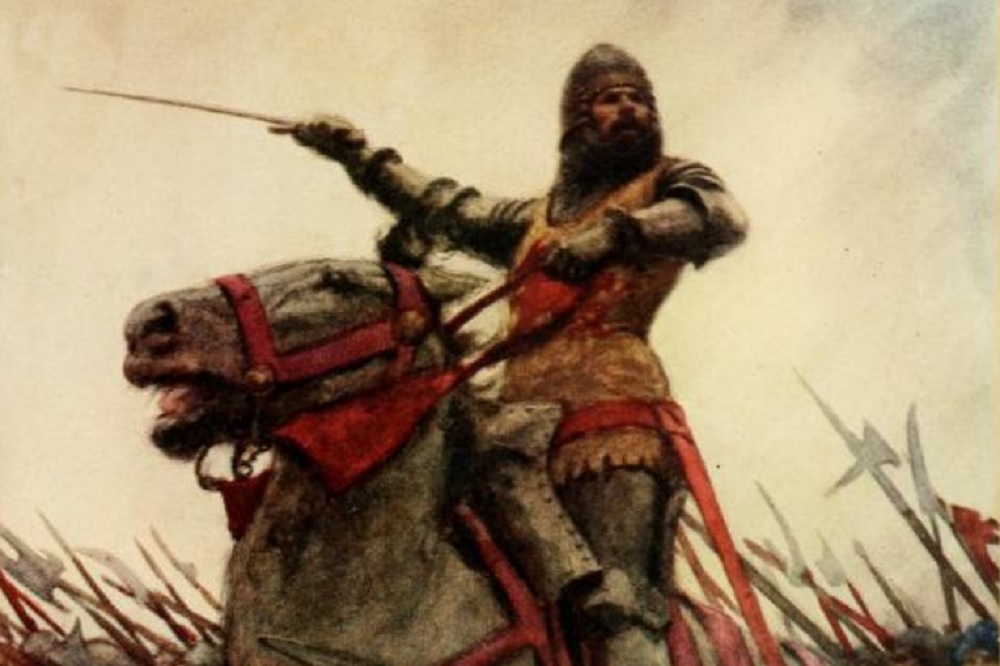
For a period of ten years, I knew more about Frederick the Great, Peter the Great and Catherine the Great than I did about Llywelyn the Great. Yes, I was proud of being Welsh during this period – this patriotism is never lacking in Wales – but I was very ignorant of our history to the point where I just accepted there was nothing worthy of being called history outside of a few sporting triumphs.
Following my A Levels, I went to university in Liverpool - after having rejected Bangor, something I regret as I am certain I would have gotten a Welsh history experience here - and chose to specialise in French history. I wrote my dissertation about Napoleon’s Continental System (1806-1814).
Forgive me for saying, but that time could have been better, and more purposefully given how well-covered Napoleon is, spent writing about the subject of Owain Glyndŵr’s Pennal Letter (still in a French museum to this day), sent by the famed Welsh rebel to the King of France during the height of the Glyndŵr Uprising on 31 March 1406.
[lower-mid-content-banner]
If I had learned any of this Welsh history during my school experience, I would have almost certainly chosen to study it further as a history enthusiast.
It is not just me – I receive comments, messages and emails daily from people who claim they were shortchanged in the history classroom. While the mandatory inclusion of Welsh history now exists on the Curriculum for Wales since 2022, a great disservice has been done to the people of Wales.
There are tens of thousands of people in Wales who were as I was and most of them will never go through the fortunate awakening that I have. For that, I say shame on those who robbed us of our history for so long and may this mistake never be repeated.
Support our Nation today
For the price of a cup of coffee a month you can help us create an independent, not-for-profit, national news service for the people of Wales, by the people of Wales.
Get more trusted Welsh news
Choose Nation.Cymru as a preferred source in Google News to see more of our journalism.
