


Fri, 17th July Cardiff 25°
Nation.Cymru wordmark
Advertisement

Opinion

Is it time to move on from the term ‘Cymry Cymraeg’? 
By Stephen Price
Eisteddfod Genedlaethol © Aled Llywelyn

Joshua Romain

Cymry Cymraeg: A term used to describe Welsh people who can speak the language. The language which is a centrepoint to communities across the country.

But as Wales and its culture develops to be more diverse and inclusive, what does it mean to be Welsh and what role does the language play in the feeling of belonging?

The term Cymry Cymraeg simply refers to the Welsh community who can also speak the language. Some would define it differently; I believe that by now there is a deeper and more unique definition to the term.

While looking at how the term is used in the media, schools and society as a whole I feel the term and how we use it implies a completely different meaning.

I don’t believe that one must speak Welsh to be Welsh and more importantly I don't believe that speaking Welsh makes anyone more Welsh than someone else.

I believe the term Cymry Cymraeg has developed to imply that Welsh speakers are viewed as more Welsh than those who consider themselves Welsh however don’t speak the language.

Movements like YES Cymru and Plaid Cymru try to represent all Welsh people regardless of whether they speak the language.

Following a visit by Rhun Ap Iorwerth, to my school, my opinion of the party completely changed. I used to believe that it only represented the old, white, Welsh speakers however I now recognise that it represents a much wider audience - including me, a mixed-race teenager, along with non-Welsh speakers.

More broadly, my perspective on what it means to be Welsh has changed.

The feeling of belonging is something complex and as a mixed-race teenager here in Wales I am proud to say that I speak Welsh. I come from a home where one parent speaks Welsh, but my father who does not speak Welsh has always encouraged me to speak Welsh and emphasised the importance of me being confident in the language, mainly to ensure that I ‘qualify’ as Welsh.

As if my birth and upbringing here is not enough, because I am brown, I must then speak Welsh to truly count as Welsh, as Welsh as my white school friends.

[mid-content-banner]

Levels of Welshness

I believe that a wide range of factors influence an individual’s and others’ belief about how Welsh they are, including where they live, their family, if they are a learner of the language, their race, if their children speak the language and more.

The ‘Fro Cymraeg’ (Welsh vale) reinforces this belief of factors and areas that are more Welsh than others. Referring to areas like, Anglesey, Ceredigion and Gwynedd, where this week it was announced that the council has plans to phase out English-medium streams from the majority of secondary schools in order to make Welsh the principle language of education.

Is it possible to stereotype these areas as more Welsh than others?
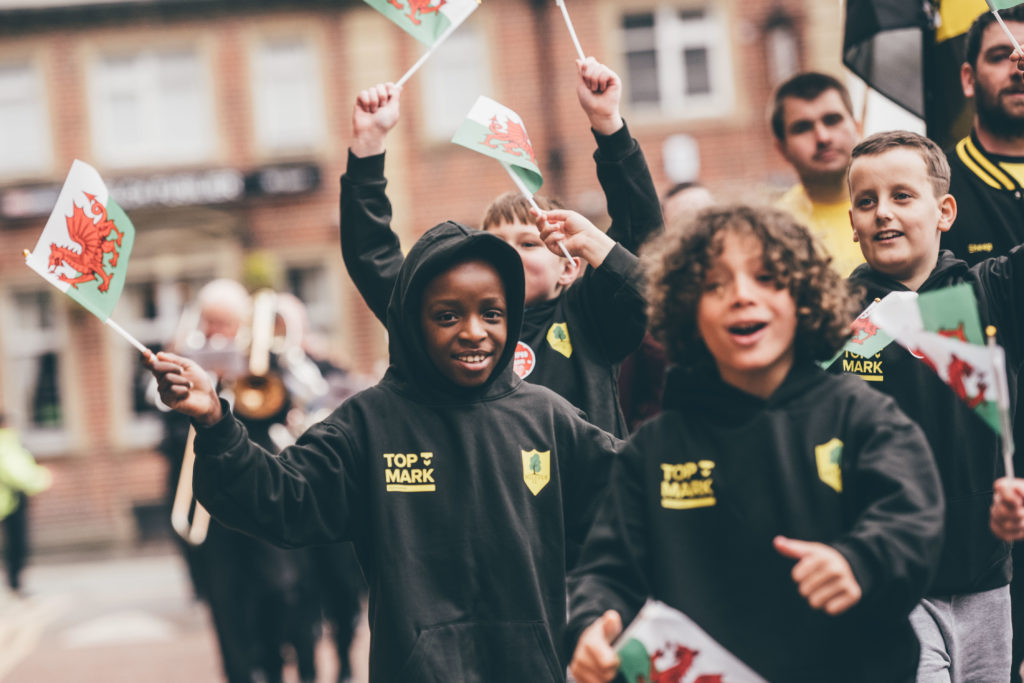
Cyhoeddi Eisteddfod Wrecsam 2025 Photographs © Aled Llywelyn

Recently, the official Instagram account of the National Eisteddfod published: “Mae croeso i bawb wirfoddoli. O Gymry Cymraeg i ddysgwyr… mae lle i bawb.” which translates to "Everyone is welcome to volunteer. From Welsh speakers to learners... there is room for everyone."

Aren’t we all learners to some extent? I often learn new words and am always improving my grammar, there is always more to learn, and that leads to confusion about when you count as a Welsh speaker instead of a learner.

I believe the vocabulary and terms we use around the Welsh language and attitudes towards learners are confusing, problematic and can leave learners with a lack of enthusiasm.

[lower-mid-content-banner]

The use of similar terms

The opposite of ‘Welsh speakers’ is ‘non-Welsh speakers,’ a term I hear much less, possibly because of the people around me.

Looking at both of these terms, I believe a fair interpretation is to say that both terms are entirely reasonable. They do not cause any problems on the surface, but separating Welsh people can be troublesome when looking at how they are used, for example, in the quotation above from the Eisteddfod.

It creates divisions within Wales by suggesting, in my opinion, levels of Welshness.
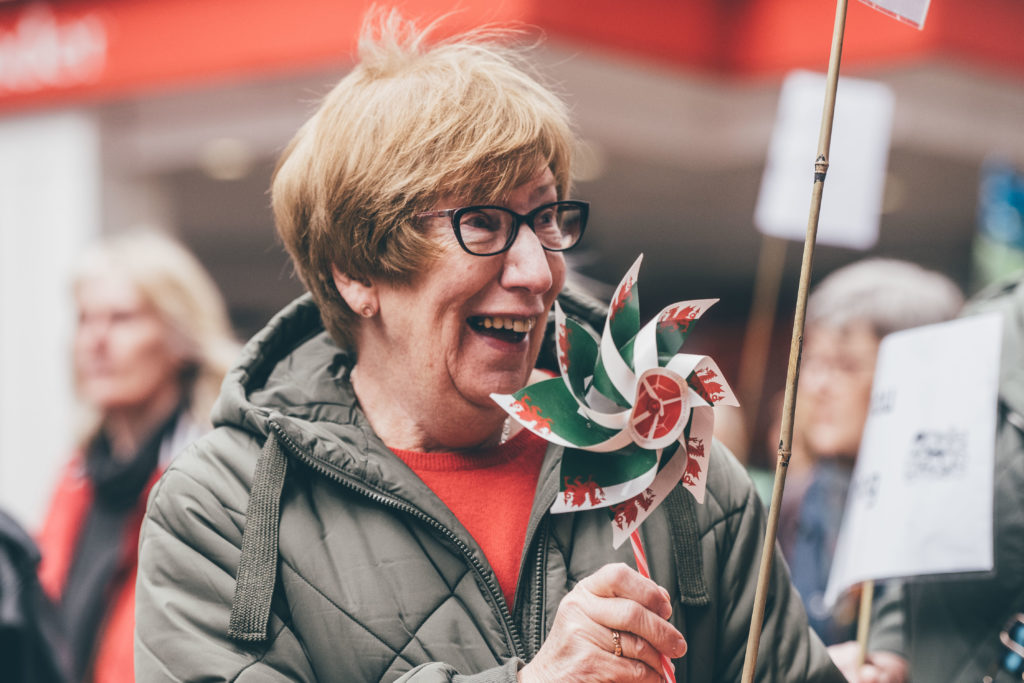
Cyhoeddi Eisteddfod Wrecsam 2025 Photographs © Aled Llywelyn

It’s also important to recognise terms like ‘bilingual,’ ‘multilingual,’ and ‘second language Welsh speakers’ and their role in discussing the language.

Do these terms play a similar role within our society? To some extent, I believe they do.

The term ‘second language Welsh’ suggests that their Welsh is not as good as that of a first-language Welsh speaker, that is, the ‘Cymry Cymraeg.’

In contrast, ‘bilingual’ is a common term often used and is correct for many of us and is relatively simple to understand, in the same sense as ‘multilingual.’

Quality of Welsh

What about individuals like Sage Todz, does he count as a ‘Cymry Cymraeg’? In his work, Sage often switches between Welsh and English, making not only his work but also the language accessible to a larger audience.

I believe there is a stigma around the language and the standard of the language, Sage is an example of how one can be ‘Cymry Cymraeg’ without following the traditional structure.
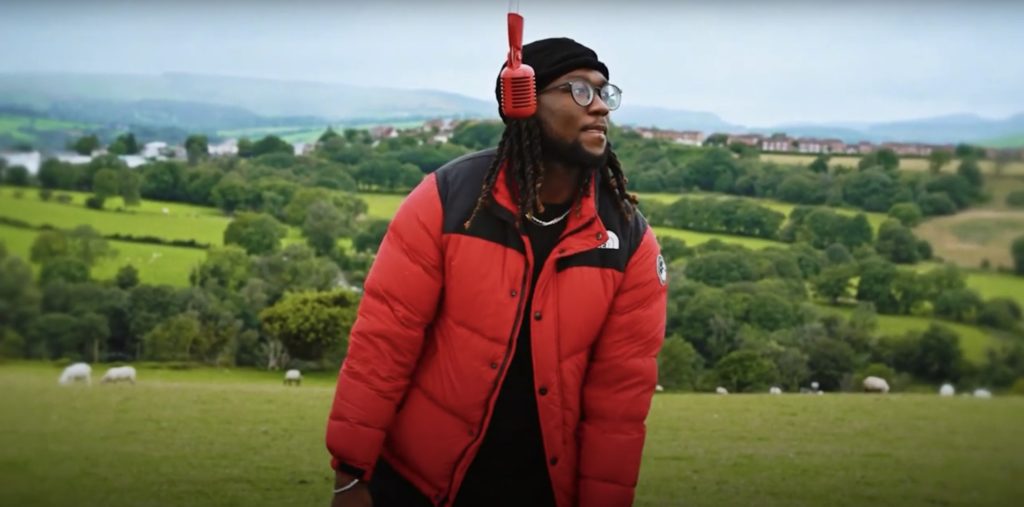
Sage Todz

The government’s target of reaching a million Welsh speakers by 2050 is something I have always said is impossible within the context of our society.

In the last census, it was estimated that only 27.7% (851,700) of the population could speak Welsh, and I do not believe there is enough support for Welsh speakers at all levels within our society, and therefore it is difficult to see a future where we reach this target.

We must reconsider the language we use around Welsh identity and the language itself in order to ensure a more inclusive and prosperous future for our diverse Welsh communities.

For the price of a cup of coffee a month you can help us create an independent, not-for-profit, national news service for the people of Wales, by the people of Wales.

Get more trusted Welsh news

Choose Nation.Cymru as a preferred source in Google News to see more of our journalism.

Choose Nation.Cymru as a preferred source in Google News

21 comments

J Jones

First things first; we are CYMRU, so forget the English 'outsider / Welsh' insult, which should now only be used for the genuine 'outsiders' in this country, the ones who dislike crucial elements such as our own native language - just because it doesn't suit them. The children of past generations who had the language physically beaten out of them have been replaced by children who now have the choice (through their parents) to learn the language very easily in their early education years. They (through their parents) have a choice not to, but then do not have a right to go on a pathetic rant against those who do. I've lived and worked with my own native language, which has helped bring other languages that I also now work in. English is just a mongrel mix Esperanto of other languages that has its uses, but monoglots having a dislike towards bilinguals is as bad as those who didn't go to university saying others should be denied that choice.

Reply
Huw Morris.

My wife is English born but speakes a little and understands much more. My son and daughter born in Cornwall but grew up in Wales. My daughter is an accomplished Welsh speaker and her 5 yr old son also. It's a never ending joy to hear him speak Welsh to me then switch to English when speaking to Grandma. Fel wedodd yn Dad. Mae'n iaeth lliwgar ag yn iaeth hen rhyfeddol. Cadwch yn fyw boys bach!

Reply
Paul castle

Well done that man. My mother never admitted that she was Welsh spoken because her mother had real scars from the Welsh nott

Reply
Andrew Dixey

In short, the answer is no. Cymry Cymraeg is short for Cymry Cymraeg eu hiaith ie Welsh-speaking Welsh people. Welsh non-Welsh speakers are Cymry di- Gymraeg. So not ‘not Welsh’ at all, but Welsh people without the language, but still ‘Welsh’. The term ‘dysgwr’ should not be perjorative - after all all Welsh speakers were learners once, just some learnt it as their first language. Whether a Cymro/aes di-Gymraeg feels less Welsh is a different issue, and really up to them to deal with. Some try learning - others seem to become so hung up, embarrassed, disappointed in themselves about it that it turns into some sort of self-hate that grows to a hatred of the language. But that would not disappear by not calling a Welsh person that speaks Welsh a Cymro or Cymraes Cymraeg/Gymraeg.

Reply
Cai Wogan Jones

More snowflakery from those seeking any excuse to take offence. Mostly vicarious. The term is innocuously descriptive.

Reply
hdavies15

If learning the language was as easy as it is to take offence then no doubt people would find something else about which they'd be offended !

Reply
Y Cymro

There's nothing wrong with the term Cymry Cymraeg. It just states the obvious. There are those speakers of Cymraeg and non-speakers. Doesn't make you any less. Yes, one has an advantage, the other, disadvantage, and why Cymraeg should be taught first in our schools and English as a second language. Also, the term Welsh itself should be consigned to dumpster of history, as said many times regarding this subject. Imagine a black person being told they must forever be known as a slave and referred to by the N-word. See, we call ourselves Slave every day when we describe ourselves as Welsh. Think about it. May I suggest we break the habit. I'd rather be a Cymry i.e fellow compatriot than a slave. We called ourselves Cymry over 1400 years ago when the Germanic Saxons made incursions into our Island, although it's a term much older. The Romans Latinised the Brythonic word "Combrogi" to Cambria which meant, yes you've guessed it, fellow compatriots. It gained more precedence later where the ethic slight Wēalas meaning slave was first coined. I, you, we , are no foreigner or slave in our own land.

Reply
John Ellis

I've long understood that in the various dialects of old English the word Wēalas meant foreigner rather than slave. Demeaning enough even then, I suppose, yet to the new Germanic settlers the Combrogi must indeed have appeared 'foreign'.

Reply
Mawkernewek

I don't think there is anything wrong with "Cymru Cymraeg", although "Y Fro Gymraeg" is to me putting Welsh in a box smaller than that of Wales itself, so perhaps self-defeating of efforts to make Cymraeg widely used across Wales.

Reply
Wrexhamian

Although it may not be intended as such, this is actually a slightly offensive article because it purports to defend itself against divisions in Welsh society which in practice are of no consequence beyond looking for a job in certain sectors. There's no need to state emphatically that a di-Gymraeg Welsh person is no less Welsh than the Cymry Cymraeg, because everybody already knows and acknowledges this obvious fact. Cymru is a bilingual country with no prescribed gradations of Welshness. The anti-Welsh lobby would love this article.

Reply
Blake

If there were no divisions there'd be no objections to restoring what should never have been lost, and no-one would be wailing about having it "rammed down their throat" every time a bilingual letter arrives.

Reply
Rhys

Yet to meet a non-French-speaking Frenchman (or Frenchwoman for that matter)! And 'Knowledge' of the language is a prerequisite of French citizenship. I for one detest the words 'Wales' & 'Welsh', so perhaps those that live here but do not speak our language can use those terms. I for one am a 'Cymro' born in 'Cymru' and so one of the 'Cymry'. My wife and daughter identify as 'Cymraes' and we speak 'Cymraeg'. Dim problem!

Reply
Robert Lloyd Whatman

Giving everyone you meet suspicious looks and then launching into advanced Cymraeg in case they're not Cymro neu Cymraes enough, isn't going to increase the regrowth of the language. There'll be a barrier between those with the skills, like yourself and Joshua, and those without - and never shall they meet effectively enough to grow. Praise effort wherever you hear it; encourage those who lack confidence; share freely your knowledge... like Joshua clearly does.

Reply
Ali Morris

'A more diverse and inclusive Wales'. We know what that means. Our own language that will eventually be watered down and erased.

Reply
Bethan

Gosh I feel I need more context Joshua. This article is clearly written from your own perspective. A perspective which differs from mine as I left school many years ago, when Welsh was only just being introduced as a subject, so I don't have first hand knowledge of the culture and use of the language in schools now. I'm not mixed race so I don't have personal experiences of being regarded as 'more' or 'less' true Welsh based on whether I can or cannot speak the language. Although I can understand there might be some truth to that having had conversations with various non-Welsh OR English as-a-first-language people in Cardiff. You and I probably don't follow the same media outlets so I'm unsure who uses the term correctly or incorrectly or what they might be implying by doing so. I also don't know where you're from in Wales which I think plays an important part in language, attitudes and exposure. In this respect I think that Wales is more diverse than people might acknowledge. Generational diversity is also quite unique in Wales when it comes to our language. If not unique then highly unusual. The chances are that we have all had different experiences with it, and that's why I believe, and as far as I'm aware, there is generally speaking an enormous amount of understanding and grace amongst the Welsh when it comes to this subject. I would also say that when I was in school the Welsh language really was close to going the same way as Latin and the amount of Welsh speakers around today amazes me and makes me feel so proud (despite the fact that I wouldn't yet class myself as one of them). A lot can be accomplished in a couple of decades so don't dismiss that 2050 target just yet. Still, it's good that young people are thinking about our mother tongue and contemplating the complexities surrounding it. Again. Thats a sign of how far we've come. I would just take media outlets with a grain of salt. They make money from creating drama where there might not be any. I dont think Welsh people who can't speak the language are at risk of being shunned by society in their old age. Real societies don't behave like that. Media, radical extremists, politicians and other agenda pushers like to hush nuance, but people have their own experiences to draw from and the aggressive attacks on the Welsh language over the years and the consequential differences in our own abilities is not likely to be forgotten anytime soon.

Reply
Sali

No, we are not "all Welsh learners". Knowing "bonjour", "merci" and "croissant" doesn't make me a French learner. You're a Welsh learner when you commit to learning Welsh with a view to using it, at least conversationally. Cymry Cymraeg is not a slight, unless you want it to be. If you're ashamed, embarrassed or disappointed that you can't speak Welsh, simply make a start with one of the free apps available.

Reply
Simon Hobson

In such discussions, I am influenced by the sadness felt by me of my Welsh mother not speaking any of her native language and, more lamentably, not wishing to learn any Welsh. This though was clearly influenced by my Welsh speaking grandparents: my mother’s parents. Vividly I recall the near anger they’d display when, as a child, I’d ask one or other of them to teach me some words. I’m still learning. French and Spanish have, as a mine engineer (and cycling fan), become far more useful to my working life and daily needs. I believe that Cymru could learn much from how the Québécois has been saved from extinction. Québec, it’s politicians and it’s people, have got behind their status of being the only French speaking nation in North America. Backing and promoting their ‘Queberness’, has brought for them an ever increasing confidence in their own cultural narrative. With this more political and economic control. Key to Québec’s success is its embracing every new resident, making it easy to learn French, and eventually Québécois.

Reply
Cwm Rhondda

There is only one level of Welshness full stop

Reply
Not Graham jones

Are you saying this because Joshua is black? If so you sir are a racist and a disgrace. Joshua has written a well argued article explaining what a lot of people feel however most on here who are so obsessed with forcing the language on everyone dismiss it out of hand. This does not help in them achieving there ultimate goal ie independence as it turns people away as Joshua says.

Reply
Dai Howells

Wales is a bi-lingual nation where 73% are not bi-lingual. English is an international and globally used business language. Its time to stop treating it as some kind of anti Welsh infiltration attempt by an invading force. Embrace Cymraeg yes. But don't teach our youngsters to despise the English language that gives our young people the ability and opportunity to thrive anywhere across the globe. We need more Welsh travelling abroad and both using / showing off their Welsh language and culture with pride but also doing what the Irish do and succeeding in business and bringing investment back to their nation of birth.

Reply
Joe F

It should be noted that the census data on Welsh speaker numbers only counts those living IN Wales; having lived in England then Scotland during the last two census surveys, I've not been given a chance to be counted as Welsh speaking in either of them & I've met dozens of Welsh speakers who might not have been counted too, so the Million Welsh Speakers by 2050 is actually closer than the numbers tell us.

Reply

Leave a reply

Replying to Ali Morris Cancel

'A more diverse and inclusive Wales'. We know what that means. Our own language that will eventually be watered down and erased.

Comments are reviewed before they appear.