


Opinion
Is it time to move on from the term ‘Cymry Cymraeg’?
Joshua Romain
Cymry Cymraeg: A term used to describe Welsh people who can speak the language. The language which is a centrepoint to communities across the country.
But as Wales and its culture develops to be more diverse and inclusive, what does it mean to be Welsh and what role does the language play in the feeling of belonging?
The term Cymry Cymraeg simply refers to the Welsh community who can also speak the language. Some would define it differently; I believe that by now there is a deeper and more unique definition to the term.
While looking at how the term is used in the media, schools and society as a whole I feel the term and how we use it implies a completely different meaning.
I don’t believe that one must speak Welsh to be Welsh and more importantly I don't believe that speaking Welsh makes anyone more Welsh than someone else.
I believe the term Cymry Cymraeg has developed to imply that Welsh speakers are viewed as more Welsh than those who consider themselves Welsh however don’t speak the language.
Movements like YES Cymru and Plaid Cymru try to represent all Welsh people regardless of whether they speak the language.
Following a visit by Rhun Ap Iorwerth, to my school, my opinion of the party completely changed. I used to believe that it only represented the old, white, Welsh speakers however I now recognise that it represents a much wider audience - including me, a mixed-race teenager, along with non-Welsh speakers.
More broadly, my perspective on what it means to be Welsh has changed.
The feeling of belonging is something complex and as a mixed-race teenager here in Wales I am proud to say that I speak Welsh. I come from a home where one parent speaks Welsh, but my father who does not speak Welsh has always encouraged me to speak Welsh and emphasised the importance of me being confident in the language, mainly to ensure that I ‘qualify’ as Welsh.
As if my birth and upbringing here is not enough, because I am brown, I must then speak Welsh to truly count as Welsh, as Welsh as my white school friends.
[mid-content-banner]
Levels of Welshness
I believe that a wide range of factors influence an individual’s and others’ belief about how Welsh they are, including where they live, their family, if they are a learner of the language, their race, if their children speak the language and more.
The ‘Fro Cymraeg’ (Welsh vale) reinforces this belief of factors and areas that are more Welsh than others. Referring to areas like, Anglesey, Ceredigion and Gwynedd, where this week it was announced that the council has plans to phase out English-medium streams from the majority of secondary schools in order to make Welsh the principle language of education.
Is it possible to stereotype these areas as more Welsh than others?
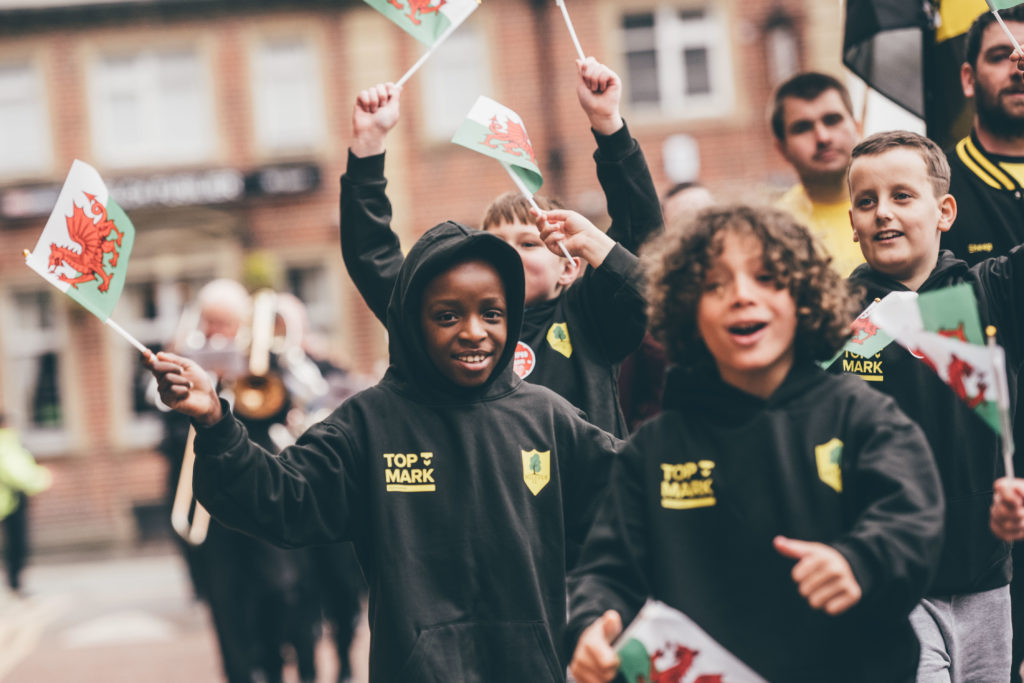
Recently, the official Instagram account of the National Eisteddfod published: “Mae croeso i bawb wirfoddoli. O Gymry Cymraeg i ddysgwyr… mae lle i bawb.” which translates to "Everyone is welcome to volunteer. From Welsh speakers to learners... there is room for everyone."
Aren’t we all learners to some extent? I often learn new words and am always improving my grammar, there is always more to learn, and that leads to confusion about when you count as a Welsh speaker instead of a learner.
I believe the vocabulary and terms we use around the Welsh language and attitudes towards learners are confusing, problematic and can leave learners with a lack of enthusiasm.
[lower-mid-content-banner]
The use of similar terms
The opposite of ‘Welsh speakers’ is ‘non-Welsh speakers,’ a term I hear much less, possibly because of the people around me.
Looking at both of these terms, I believe a fair interpretation is to say that both terms are entirely reasonable. They do not cause any problems on the surface, but separating Welsh people can be troublesome when looking at how they are used, for example, in the quotation above from the Eisteddfod.
It creates divisions within Wales by suggesting, in my opinion, levels of Welshness.
It’s also important to recognise terms like ‘bilingual,’ ‘multilingual,’ and ‘second language Welsh speakers’ and their role in discussing the language.
Do these terms play a similar role within our society? To some extent, I believe they do.
The term ‘second language Welsh’ suggests that their Welsh is not as good as that of a first-language Welsh speaker, that is, the ‘Cymry Cymraeg.’
In contrast, ‘bilingual’ is a common term often used and is correct for many of us and is relatively simple to understand, in the same sense as ‘multilingual.’
Quality of Welsh
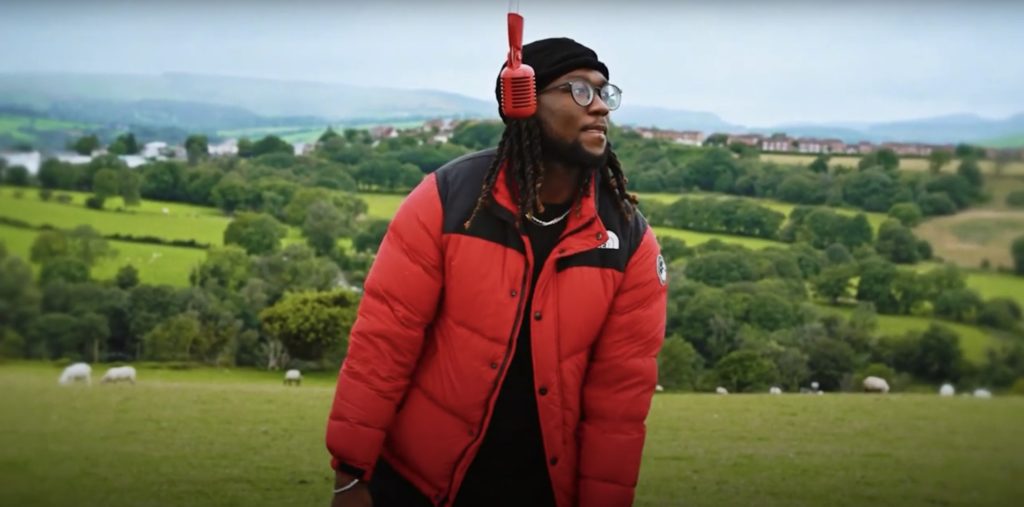
What about individuals like Sage Todz, does he count as a ‘Cymry Cymraeg’? In his work, Sage often switches between Welsh and English, making not only his work but also the language accessible to a larger audience.
I believe there is a stigma around the language and the standard of the language, Sage is an example of how one can be ‘Cymry Cymraeg’ without following the traditional structure.
The government’s target of reaching a million Welsh speakers by 2050 is something I have always said is impossible within the context of our society.
In the last census, it was estimated that only 27.7% (851,700) of the population could speak Welsh, and I do not believe there is enough support for Welsh speakers at all levels within our society, and therefore it is difficult to see a future where we reach this target.
We must reconsider the language we use around Welsh identity and the language itself in order to ensure a more inclusive and prosperous future for our diverse Welsh communities.
Support our Nation today
For the price of a cup of coffee a month you can help us create an independent, not-for-profit, national news service for the people of Wales, by the people of Wales.
Get more trusted Welsh news
Choose Nation.Cymru as a preferred source in Google News to see more of our journalism.
