


Opinion
Farmers need to to get behind the Sustainable Farming Scheme
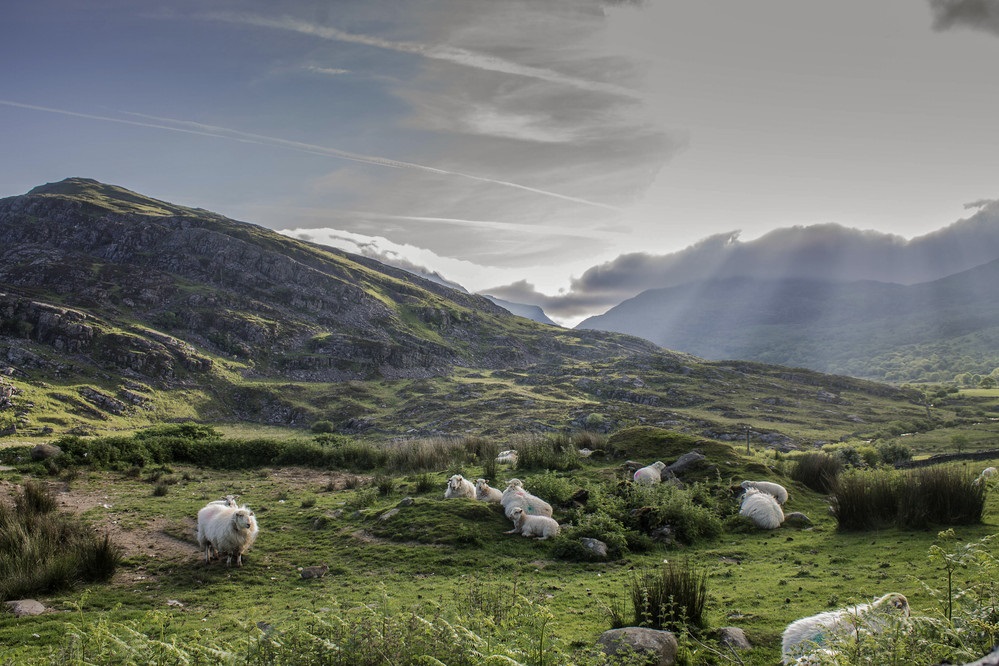
Dr Malcolm Smith
Worried about competition from cheap food imports. Their prices pinned down by supermarket monopolies. Fields and crops deluged with climate change induced deluges of rain. No wonder our farmers feel backed into a very bleak corner of the countryside.
Now they have to consider the Welsh Government's Sustainable Farming Scheme (SFS), its proposed replacement for the subsidies known as the Basic Payment Scheme they have been accustomed to courtesy of half a century of the EU's Common Agricultural Policy. And they are not happy. Not happy at all. In a very unusual display of aggression, our farmers are even adopting the tractor blocking techniques of their Continental counterparts.
[mid-content-banner]
But farmers have to face reality. And like much else in the face of crises in our natural environment, farming must change too. The generous subsidy payments they have long happily accepted from the EU - which came with few environmental constraints - are very largely responsible for Wales's nature crisis. On how many upland Welsh farms does the haunting call of the Curlew still resound? Lapwings displaying in the air above damp lowland pastures are today a rarity. And vibrantly coloured Yellowhammers sing from the tops of few farm hedges. So many once typical farmland birds have largely vanished. With them a vast array of invertebrates, hay meadows full of flowers, amphibians and much else has gone too.
Today our countryside is one of the most wildlife depleted in the world. Farming occupies around 90% of our land. A million hectares - that's half the land area of Wales - is intensively managed grassland of virtually no wildlife value. And the fertiliser and slurry runoff which contributes to the growing pollution of our streams and rivers is killing their life too.
The SFS will provide farmers with subsidies but, in return, they have to deliver a range of environmental benefits as part of the deal. The days of free lunches are over. They will be required to farm more sustainably with less reliance on chemical sprays and fertilisers. They are required to nurture wildlife habitat on their land and create more of it, redressing the huge losses of wildlife fuelled by the EU supports. And, because farming occupies most of Wales, farmers need to play their part in addressing the climate crisis by taking carbon out of the atmosphere and holding it in trees, peatlands and other habitats on the land they own and manage.
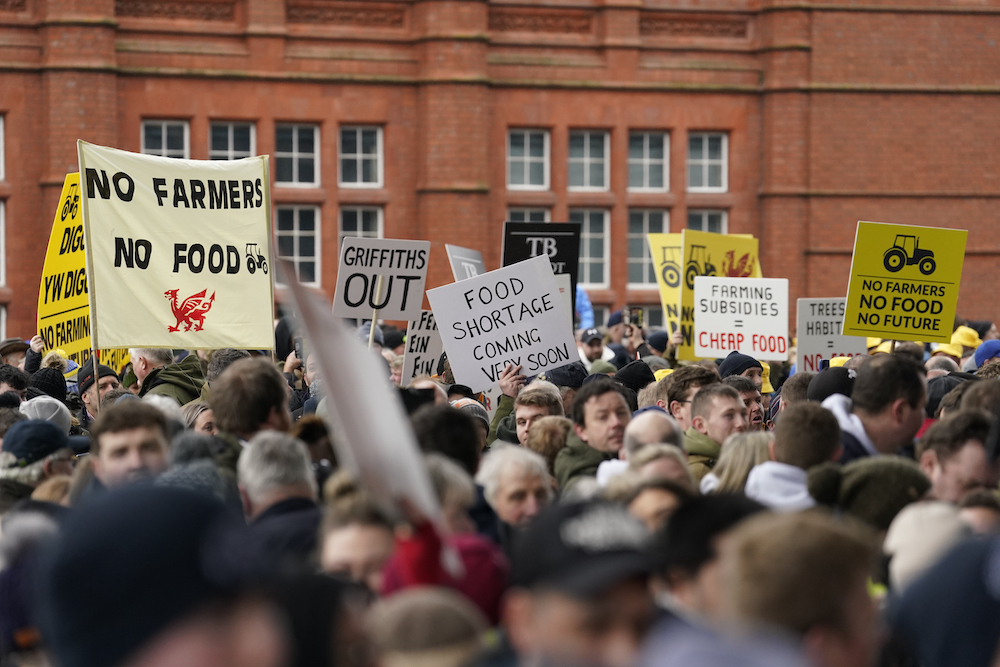
Trees, it seems, aren’t welcomed by most farmers. The SFS requires those joining the scheme to put 10% of their land under woodland or trees, their huge leaf area absorbing carbon from the atmosphere, thereby helping to address climate warming. This 10% can include scattered trees and any existing woodland already on the farm. Most Welsh farmers are not woodsmen. But some value woodland to help shelter their livestock, provide the occasional piece of timber and nurture habitat for wildlife. Perhaps a more flexible approach to this contentious measure would be for the SFS to require 5% of each farm to be tree covered with an option to plant more.
“Pepper-potting” small areas of woodland around the countryside is far less valuable for wildlife than creating large forested areas. So encouraging collaborative applications from consortia of adjacent farms – maybe with a bonus subsidy payment – would be a better option to redress our nature crisis. It needs to be native broadleaved woodland. More ugly straight lines of North American conifers in the countryside would offer very little wildlife gain.
[lower-mid-content-banner]
Farmers are equally concerned over another obligation if they sign up: an additional 10% of their land must be wildlife habitat, existing and/or created. Combined with the 10% tree cover, they wrongly believe, takes 20% of their farm out of food production. It’s wrong because almost all wildlife habitats require some management. It might be light livestock grazing or maybe a hay cut, sustainable land management not intensively farmed but it’s very likely that this 10% will be in farm use nevertheless.
What’s vital is that the SFS attracts as many farmers as possible to join. Maybe larger lowland farms can manage without subsidies. But can small, mostly family run upland farms survive without the cash it will bring? And if we are to return long lost wildlife to our farmland, cut pollution and contribute to curbing climate warming, more and more intensification of farming has to stop and go into reverse. Of course we need farmers to produce wholesome food. But not by continuing to destroy our natural heritage in the process.
Dr Malcolm Smith is a former Chief Scientist at the then Countryside Council for Wales and led the team which designed Tir Gofal, the first agri-environment scheme in Wales. He also authored 'Ploughing a New Furrow: A Blueprint for Wildlife Friendly Farming', and has been a Board Member of The Environment Agency representing Welsh interests.
Support our Nation today
For the price of a cup of coffee a month you can help us create an independent, not-for-profit, national news service for the people of Wales, by the people of Wales.
Get more trusted Welsh news
Choose Nation.Cymru as a preferred source in Google News to see more of our journalism.
