


News
Protest at the Eisteddfod as Jo Stevens confirms Crown Estate revenues will not be devolved to Wales
Martin Shipton
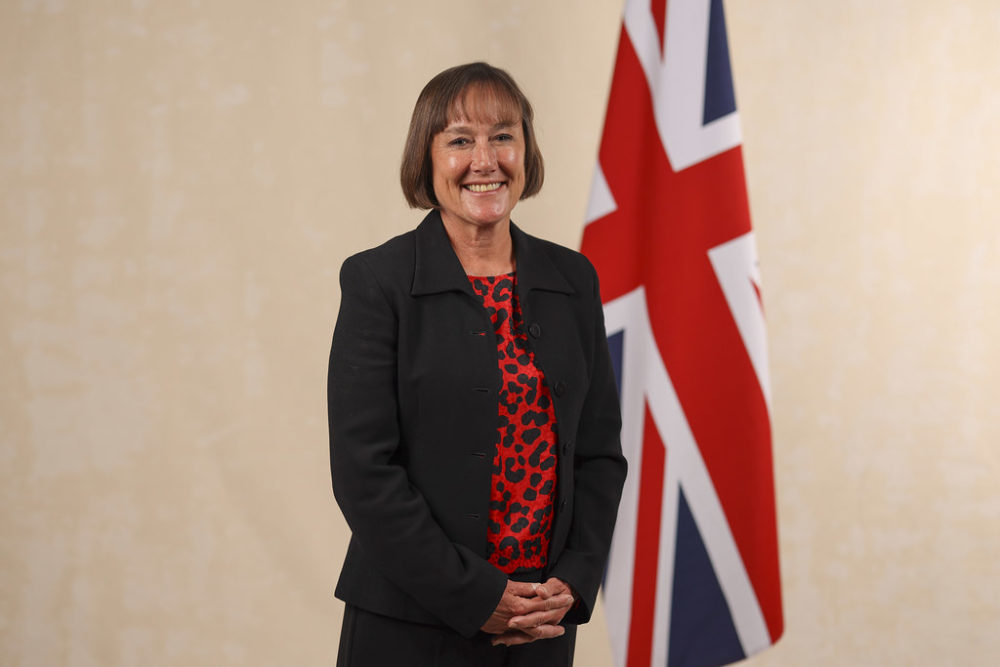
YesCymru will hold an emergency protest at the National Eisteddfod in Wrexham after Welsh Secretary Jo Stevens formally confirmed that the UK Government will not devolve Crown Estate revenues to Wales.
The Labour MP for Cardiff East responded to a letter the pro-independence group had sent to Prime Minister Keir Starmer.
[mid-content-banner]
'Fairness'
In a social media post, YesCymru’s directors said: “Despite the backing of all 22 Welsh councils and the clear economic case for Welsh control over our own natural resources, Westminster says no.
“Instead of trusting Wales to manage our seas, energy, and future, they’re protecting the status quo – where decisions about Wales are made in London, and profits flow out of Wales.
“This is not just a constitutional issue – it’s about fairness, democracy, and economic justice.”
Those wanting to join the protest and demand justice for Wales have been asked to meet at the YesCymru stall on the Eisteddfod Maes in Wrexham at 1pm on Friday August 8.
[lower-mid-content-banner]
'International investment'
In a letter addressed to YesCymru’s directors, Ms Stevens stated: “The Crown Estate has played a significant role in attracting international investment into Wales to support the UK's net zero target and will continue to do so. In June, the Crown Estate announced a partnership with Equinor and Gwynt Glas to develop two new floating offshore wind projects in the Celtic Sea. It is estimated that this new industry will support over 5,000 new jobs and deliver a £1.4bn boost to the UK economy. This is hugely significant to Wales and will help to deliver transformational change to areas such as Port Talbot.
“I am therefore pleased that the Crown Estate is contributing to clean and renewable energy generation in Wales in a number of ways. This includes investment for Welsh projects to help build the supply chain for the offshore wind sector as part of £400m of Crown Estate funding to support new infrastructure for offshore wind projects across the UK.
“Wales will also benefit from the Crown Estate's first commercial leasing round for floating offshore wind, as well as investment in tidal energy development and support for the HiNet carbon capture cluster.
“The Crown Estate works closely with the Welsh Government and Natural Resources Wales in support of shared priorities, ensuring that these resources are sustainably managed for the long term. This government's focus is on taking maximum advantage of the opportunities floating offshore wind presents for Wales using all available levers within the existing devolution settlement.
“The Crown Estate's work will continue to deliver for Wales, particularly in creating well paid green jobs, advancing research and development across various sectors while reducing domestic energy costs. This is why I have worked across government to create a Crown Estate Commissioner with special responsibility for Wales for the first time. This will ensure the interests of Wales are fully reflected in the Crown Estate's work.
“The work of the Crown Estate will be further strengthened by its partnership with Great British Energy, which has the potential to leverage up to £60bn of private investment into the UK's drive for energy independence. It is this government's view that devolving the Crown Estate and introducing a new entity would risk market fragmentation, complicate existing processes, and delay further development offshore.
Devolution
The letter continued:“Furthermore, devolution would mean Wales losing access to Crown Estate investment that comes from its revenues in England. It would also risk undermining investment in floating offshore wind, which is needed to provide lower bills, cleaner energy, and better jobs. This government is focussed on delivering these objectives and so does not support the devolution of the Crown Estate in Wales.
“Even if devolution could be done without risking the revenues the Crown Estate generates, this would not automatically lead to an increase in the funding available to the Welsh Government. This is because any revenues retained by the Welsh Government in a devolved system would likely be offset through reductions to their block grant as is currently the case in Scotland.
“Creating an artificial border through the Celtic Sea would also complicate crucially important work to develop the floating offshore wind industry, particularly as floating offshore wind lease areas straddle the Wales/England border. I hope this information proves useful to you.”
Support our Nation today
For the price of a cup of coffee a month you can help us create an independent, not-for-profit, national news service for the people of Wales, by the people of Wales.
Get more trusted Welsh news
Choose Nation.Cymru as a preferred source in Google News to see more of our journalism.
