


Opinion
William the last Prince of Wales? It has never been more likely
Theo Davies-Lewis
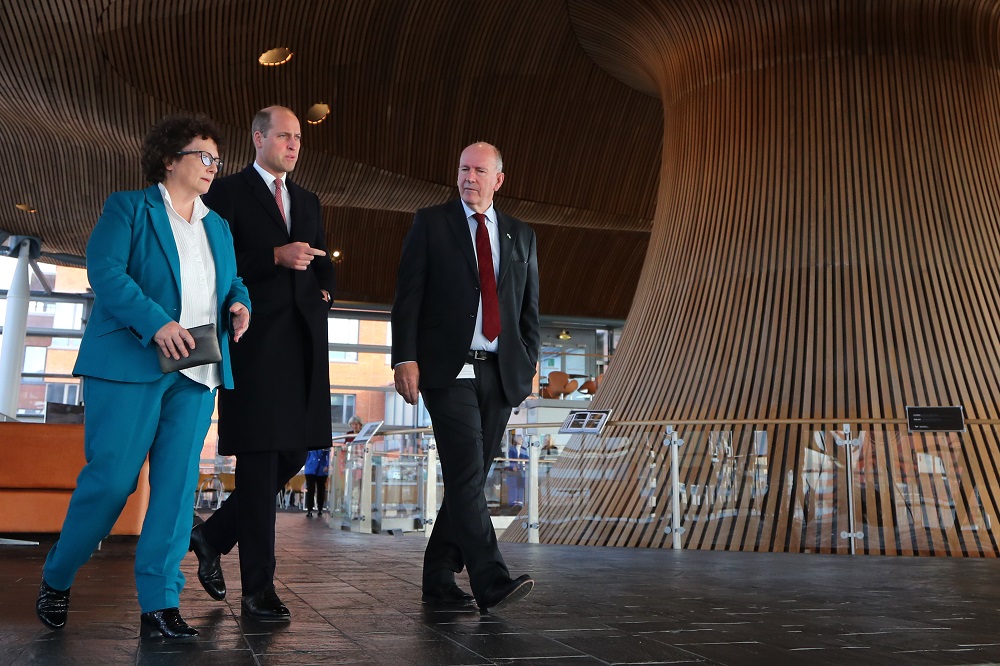
VIPs don’t all get special treatment in the Senedd. When the heir apparent visited this month there was no red carpet or regalia. Instead the only hallmarks of a significant event were the security detail in tow. Just as you’d expect when a foreign dignitary – be it royalty, ambassadors, government ministers – step into land unfamiliar to them.
For some that is fitting for a title with a shallow depth as the Prince of Wales.
Prince William’s appearance at the Senedd did little to suggest otherwise. The engagement fed the ever-consumable debate about what the nature of his relationship with Wales was altogether. Polarised by a prince and much else the Welsh will never agree.
On one side, Michael Sheen stirs republicanism to sympathetic social media audiences. Meanwhile Andrew RT Davies heaps praise on bended knee for the monarchy no matter the context. Neither are students of realpolitik.
[mid-content-banner]
Complexity
Unlike Charles, when Prince of Wales, who came to understand the complexity of his family’s relationship with the Welsh. Though the majority were – and still are – dedicated subjects, the title conferred to the heir to the throne created an imbalance with this part of Britain.
The shrewd operator that was the late Queen implemented a clear philosophy of being visible and respectable in a Welsh context. At no better time was this on show recently than when she opened parliament, giving credibility to a new political institution via the weight of the constitutional monarchy.
Also significant was the political space Charles had to operate. As prince, he was successful in projecting an image of a Cymrophile, hosting events at his Llwynywermod cottage while championing the language and rural communities.
Helped by his Welsh-speaking advisors, he came to recognise the power of history. “I am mindful of how the title of Prince of Wales goes back to those great Welsh rulers, such as Llywelyn ap Gruffudd,” he said in 2018 when opening a bridge renamed in his honour. “Whose memory is still rightly honoured by all who value a true understanding of our past.”
This is one way to confront the ghosts of medieval times: if you can beat the Welsh princes, join them too.
It will not be so easy for William, which may explain the King’s haste to appoint him as Tywysog Cymru.
Challenges
Finding a role for an English-born prince in a newly politically devolved, increasingly left-wing, bilingual, communitarian (yet still royalist) country is one of the Royal Family’s greatest challenges this decade. And there is urgency to address it.
Charles had decades from a young age to slowly assimilate into a part-time Welshness; William must look relevant as a middle-aged non-native prince.
Today’s Welsh leaders, Tywysogion modern Cymru, have already made up their minds: there can be no repeat of the past.
From the day he was given the title, Labour and Plaid Cymru figures boxed in Kensington Palace into what (minimal) role William should have in Welsh society. A “national conversation” should take place about the future of the Prince of Wales title, Mark Drakeford and Adam Price agreed, perhaps irked by the unwise decision not to consult the Welsh Government on the King's decision.
Backbenchers from both parties said a re-run of a Caernarfon investiture was impossible. Prominent republicans continue to dominate the media with arguments about the absurdity of a prince in modern day Wales.
Royals can breathe a sigh of relief that this group is in the minority – for now.
Pressure from the Welsh political establishment has been effective. When the Prince and Princess of Wales visited the country on their first official engagement, a statement by their office clarified that there were no plans for an investiture “anything like” over half a century ago.
Barely six weeks later, William told members of the Senedd that no ceremony would take place.
What irony that politicians (as in 1911 and 1969) influenced the outcome of the investiture. The difference this time is that there won't be one at all.
Risk
For the Royal Family there have been other considerations to shelve any extravagance, particularly during economic recession. Yet ultimately the decision to abandon investiture plans — the most visible manifestation of the modern day Prince of Wales — is an admission of the risk. There was little to be gained by any formal ceremony: the public, but most importantly Welsh politicians, had no overwhelming desire for pomp and pageantry in a country where national institutions now stretch across sport, government and culture.
The Prince of Wales is focused instead on “deepening the trust and respect of the people of Wales.” Engagements in ‘safe’ areas where the Waleses can expect support, such as their former home in Ynys Môn, will help achieve this. So too will the perpetual romantic allure of their royal institution itself, as well as the celebrity appeal of the Princess of Wales to younger audiences who are crucial to secure the future of the monarchy.
Embarrasing
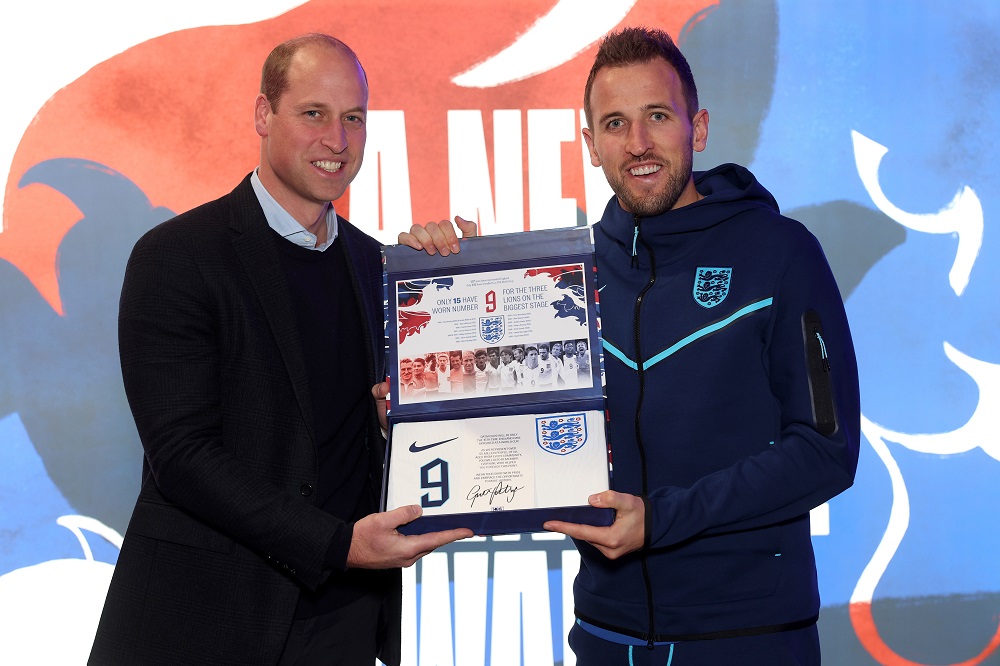
But complacency and lethargy have crept into public display. The embarrassing scenes of William supporting both England and Wales in the football World Cup was easily avoidable, had careful consideration been given to his future patronages upon becoming Prince of Wales. Meaningful sympathy would have been won if William had bothered to learn the Welsh language over his life, rather than heartily remark he needs to “brush up” on Cymraeg. There are few clues as to what he will focus on as Prince of Wales as well. He visited the Senedd to understand the “key issues facing people” — he must show that he understands what they are.
If William fails to do so, it will create a potentially devastating cocktail. An emboldened political leadership has substantially reduced the political space to operate as a royal in Wales.
Strategic miscalculations have put Kensington Palace on the backfoot when it comes to the investiture, language and sport.
After barely three months, the relationship that the Prince of Wales has with the country whose title he bears has been reduced to something scaled-down, business-like and professional.
Ifs and buts remain. Though if the winds of change in Wales continue, crystallizing as they often do in political and cultural terms each generation, the hassle of the title may not be worth it for the royals. Yet that’s the key.
Politicians may shape the role of the Prince of Wales but they cannot banish him. British Kings and Queens decide if Wales has a prince. Not its people.
This is an edited extract from Theo Davies-Lewis’ lecture, William: The Last Prince of Wales?, delivered in Llanelli
Support our Nation today
For the price of a cup of coffee a month you can help us create an independent, not-for-profit, national news service for the people of Wales, by the people of Wales.
Get more trusted Welsh news
Choose Nation.Cymru as a preferred source in Google News to see more of our journalism.
