


Opinion
Where next for Transport for Wales?
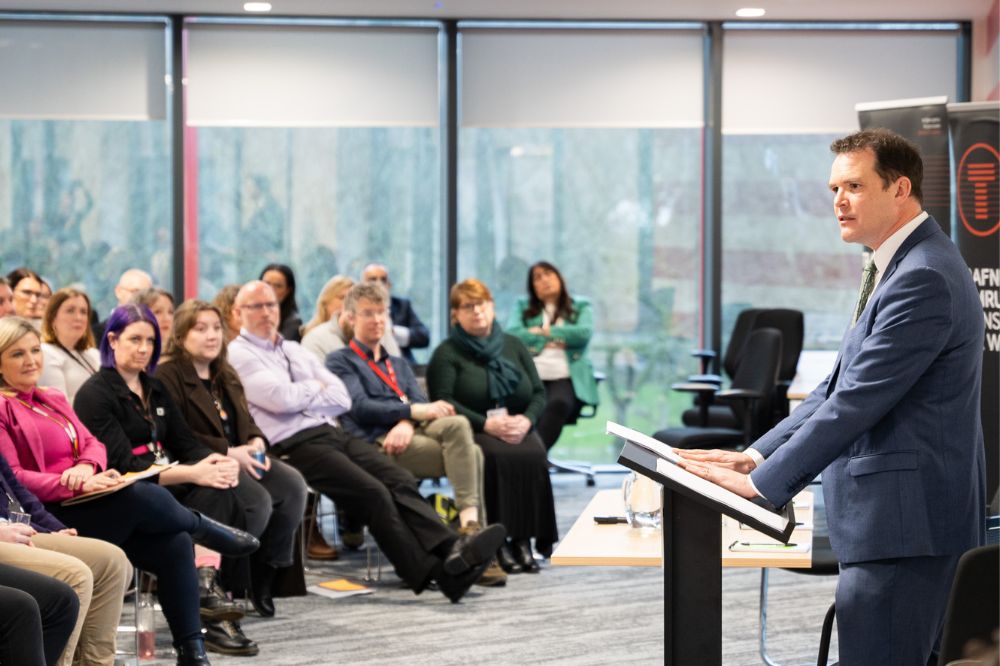
Lee Waters MS - Deputy Minister for Climate Change
It would be better, and a lot less painful, to put alternatives to car use in place before trying to reduce car use. But that’s not the world we find ourselves in - and global warming won’t wait for us to get all our ducks in a row.
I know you don’t have to look far on social media to see what the Welsh Government is doing wrong, but let’s be clear about this: Without devolution, and without this Welsh Government, major rail investment would not be happening.
Over one Billion Pounds invested in the Metro. 800 million on the biggest investment in new trains in living memory.
There’s nothing inevitable about these choices, especially when money is tight, but it reflects our commitment to deliver the opportunity that the Metro represents.
Compare this with the way the UK Government has approached HS2. Instead of constant reviews, uncertainty and descoping, we have stuck to the core proposition.
We’ve had some very tough choices to make in the last year as costs have risen on the Metro for reasons that are entirely explainable, but nonetheless painful. And through it all the entire Cabinet has remain committed to seeing it through.
As Lord Peter Hendy once wisely pointed out: projects like the Metro always take longer than you hoped, they always cost more than you expected – but you never regret it once the work is done.
Over Christmas, Transport for Wales (TfW) teams pulled out all the stops to deliver the planned upgrades on the Core Valley Lines - giving up precious family time to keep the Metro on track.
Let's not pretend TfW is perfect, no organisation is. It’s a work in progress, of course it is. I see brilliant people working on the front line every day; the BBC documentary shone a light very clearly on that.
The South Wales Metro has gone from a presentation that Mark Barry badgered people with in 2010, to the very cusp of going live. The word transformation is often overused. But in this case it isn’t.
[mid-content-banner]
Accomplishment
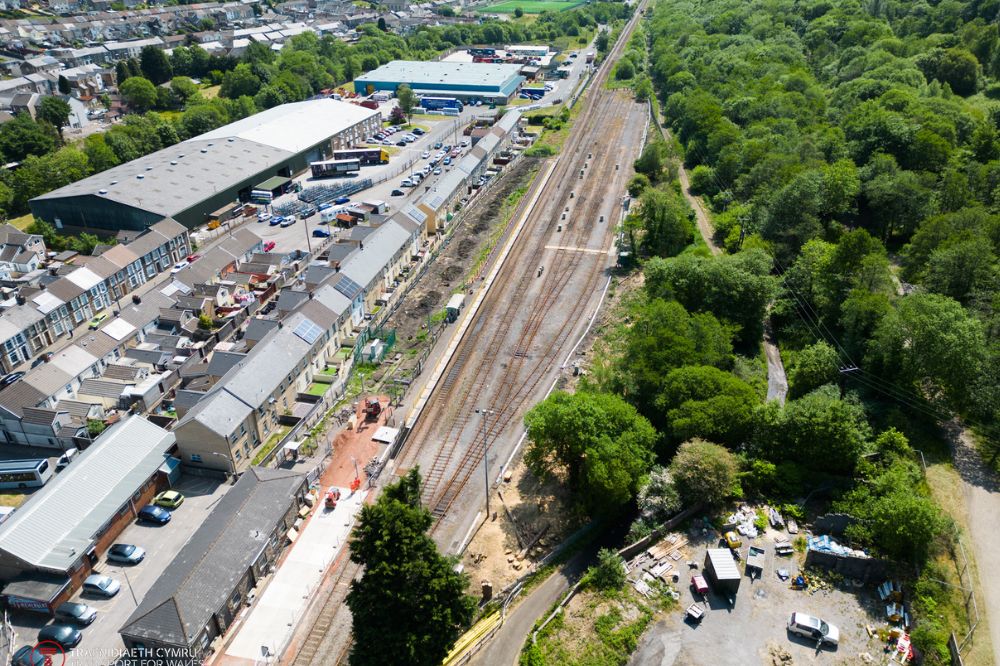
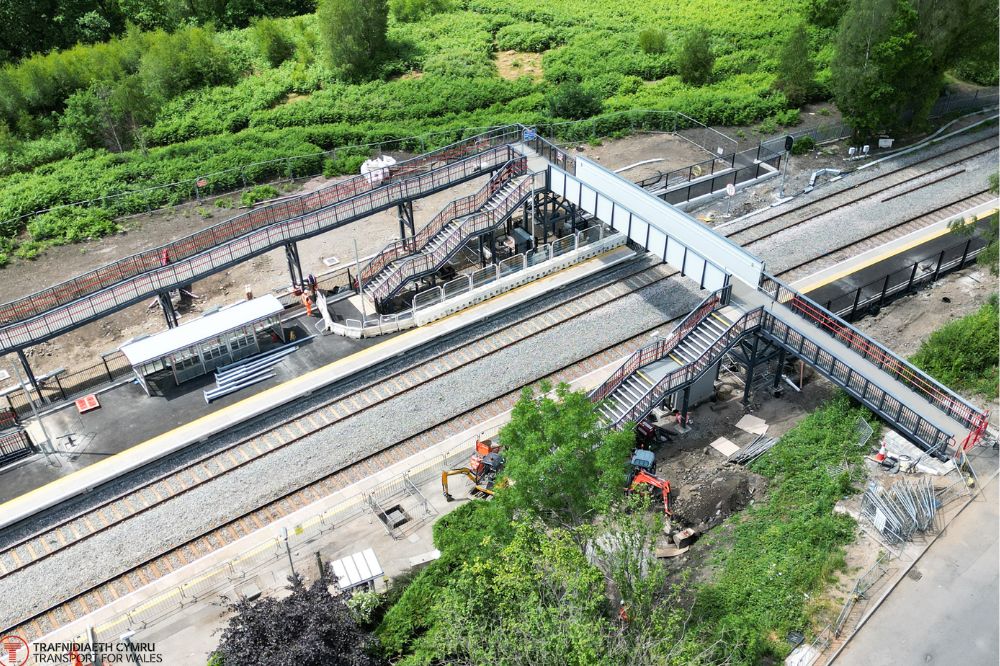
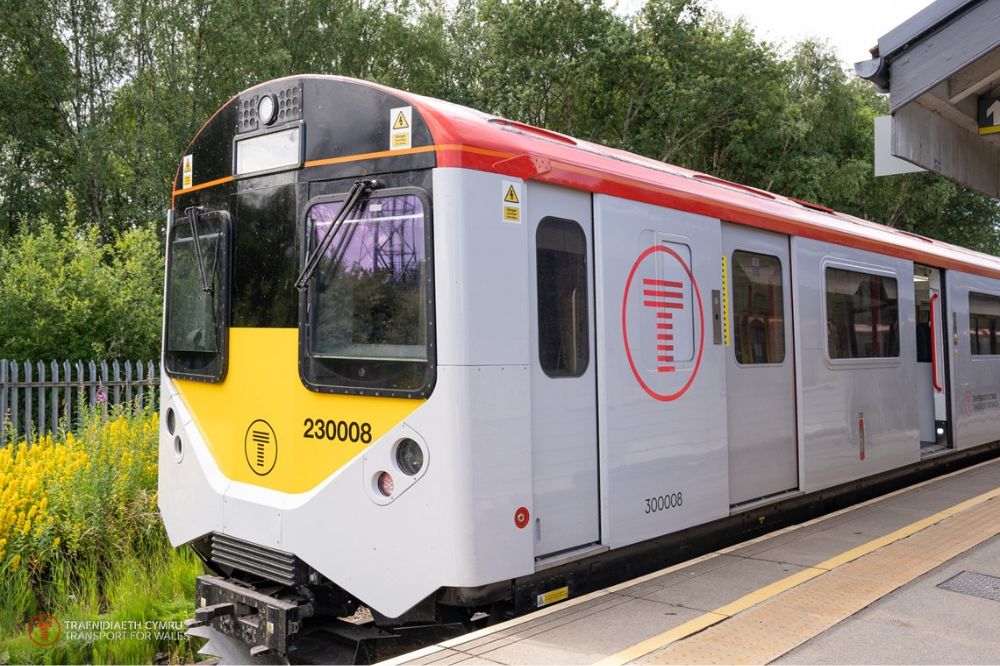
The impressive new tram-trains being tested on newly electrified track up and down the valleys lines testify to that. There's an incredible new facility in Taffs Well too - the first major train depot built in Wales in over sixty years.
Step back and its clear what’s being achieved here: a reversal in the decline of the railway in Wales, and an engineering accomplishment to at least match London’s CrossRail
But as well as the big things we also need to keep a focus on the everyday stuff too: Keeping passengers informed when things go wrong; getting the replacement bus service right; delivering a consistently best-in-class customer service experience all across the network, these are all things that we need to keep working at.
Continuous improvement is essential. Because the difference in our model and the Cayman Island one is that we have to face our customers every day.
As a regular passenger for over 25 years and more, I can say with confidence that TfW has already proven its worth. I have seen for myself the difference in service, and the change in culture since the Arriva days.
Let’s not forget there were parts of the network that didn’t even have trains on a Sunday when TfW took over the franchise - that's hard to imagine now.
Fast forward to today, and we are on the cusp of a turn-up-and-go electric transit network for the south Wales valleys. And a step-change in the passenger experience.
Rolling stock
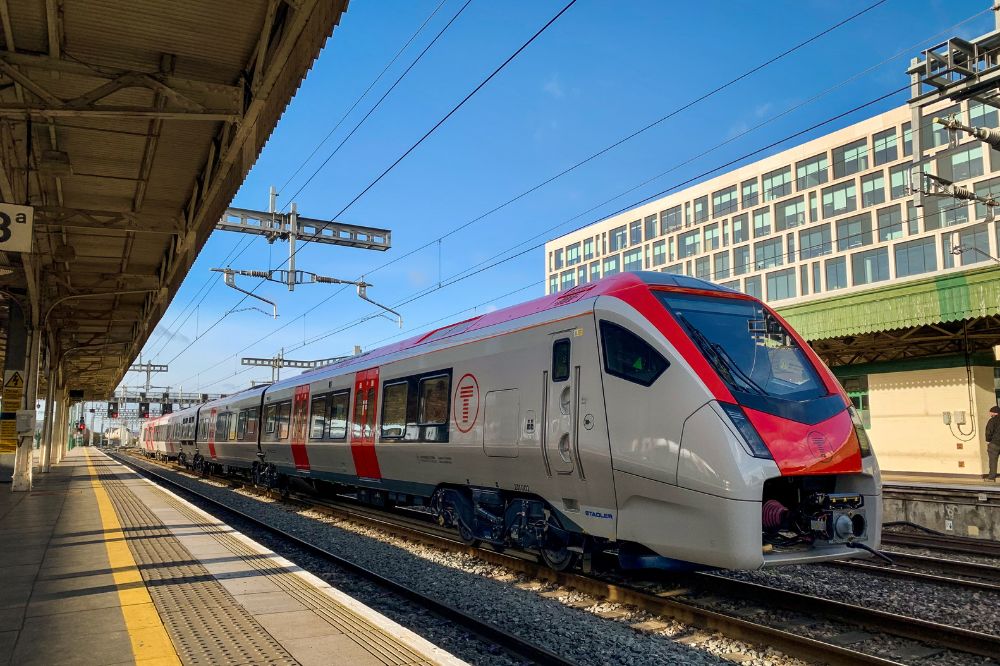
Across Wales we’ve sent the pacers packing, and the sprinters will soon be on their way too. Wales is no longer at the end of the line when it comes to getting rolling stock. By the end of this year over 95% of journeys will be on new trains. And we’re seeing the benefits reaching some of our most challenged communities.
Just last week I was on the Ebbw Vale line where we’ve doubled the frequency of services. 30 trains a day, where just 16 years ago, there were no passenger trains at all.
Talk about unmet demand; back in 2008 when we reopened the line to Cardiff passenger numbers exceeded all expectations. And that showed us that the value for money calculations that drive rail investment by the Department for Transport are deeply flawed – which is one of the reasons we get so little of it.
Generations of under-investment in the Welsh railway that we’re now trying to put right. So it is with confidence that we have put £70m into reconnecting all the villages along the Ebbw Valley line to Newport and the mainline for the first time in 60 years. That’s our commitment to real Levelling Up.
It’s not easy. Rail infrastructure is the responsibility of the Westminster Government which means the Welsh Government are not funded to do it. So when we put money into rail that’s cash that should have gone elsewhere – to building schools and hospitals. We shouldn’t have to make that choice.
But because it’s clear that investing in infrastructure in Wales is not a priority for this UK Government, we’ve had to do it. And we are starting to see the difference it makes.
We had a launch event in Llanhilleth last week which really brought home the value in what we are doing. As I walked over to the Miners Institute, a lady with a pushchair approached me to ask if I’d have a photo with her grandson so he could look back at this day, the day the new train was launched. It really means something. There was a palpable sense of excitement, and appreciation of the new opportunities this has opened up.
Improvements in north Wales too, we’ve restored direct services to Liverpool, we’ve increased the frequency on the Wrexham to Bidston line and thanks for hard work by Jan and his team we’ve made the service more reliable. And of course, we’ve invested in new trains as well.
The newly published Burns Commission report for north Wales, heavily informed by the work of TfW’s North Wales Metro team, gives us a pipeline of future projects to work up too.
We rightly focus on the innovation that sits behind getting tri-mode trains through tunnels , the derogations from rail standards, the electric flexi buses, the Active Travel Design Standards, trialling Pay-As-You-Go ticketing between Cardiff and Newport- the only place outside London to do it.
[lower-mid-content-banner]
Connections
This is all really cool stuff. And we are pushing the boundaries. But none of these are ends in themselves.
We are all doing this to makes people’s lives a bit easier, to enable them to work, to connect people to their friends and their passtimes. To create a real social network that doesn’t depend on having a car.
Rising temperatures are reshaping our environment and upending our climate. 1 in 8 Welsh properties are already at risk of flooding from rivers, the sea and surface water.
Even if we didn’t release another drop of carbon, temperatures and sea-levels would keep on rising because of the emissions we’ve already put into the atmosphere.
When you’ve got a moment please type into your search engine ‘NRW and coastal erosion maps’, and look at your nearest bit of coast, and prepare to gasp at what’s coming.
These aren’t the rantings of an evangelist. I’m not an eco-warrior. Though I must confess I did hug a tree the other day when walking my dog just to see what it was like – it was quite lovely as it turns out. Who knew?
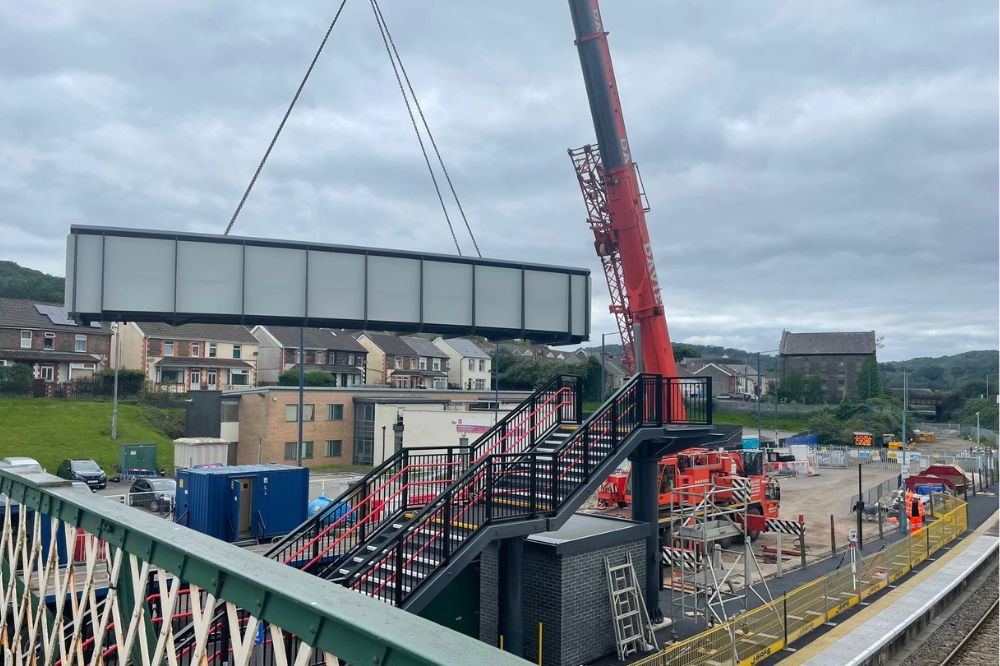
You don't need to be a green activist to see that this is serious stuff, and it's already happening. Railway lines washed away, landslips causing expensive disruption, 50,000 additional homes at risk of flooding over the next century.
Erosion
Our most densely populated coastal towns - Newport, Cardiff, Swansea, Llanelli, Aberystwyth, Bangor, Llandudno, Rhyl – all deeply vulnerable to coastal erosion, sea and river flooding by the time a child born today reaches old age.
Just look at the Network Rail climate adaptation plan for Wales and you’ll see that the impacts go far beyond flooding. More wild weather causing speed restrictions, extreme heat causing track buckles, more intense and frequent storms, causing more delays and cancellations.
That’s already locked in. And if we miss our NetZero targets – which is our current trajectory - it will get worse.
And it’s our children, and theirs, who will face the full consequences of what the scientists call ‘catastrophic climate change’ within their lifetimes. But climate breakdown won’t happen in a linear way, it be will erratic and unpredictable. It won’t wait till 2050 to show itself.
Scientists are cautious souls, and a bit dull in their use of language, so when they use words like ‘catastrophic’ - we should pay attention. Nobody can say we haven’t been warned.
2023 saw greenhouse gas levels at a record high, antarctic sea ice at a record low, global temperatures at a record high, sea level rise at record high.
This is happening in real-time. We are seeing man-made climate change taking place at the upper end of the projections the world’s scientists have been modelling.
It’s a dynamic situation, and the longer we take to face up to it, the more unstable the climate is becoming. And the more difficult, and expensive, it will be to mitigate. It is in our self-interest to act. And we must act with urgency.
The worst impacts of global warming are terrible, but are not yet inevitable. We still have time, there is a small window, but we will have to make different choices now.
In the next decade we need to cut our emissions by more than we’ve managed in the last three decades put together. 30 years worth of cuts in under 10 years. It’s a big ask, its never been done before. And we haven't a hope of doing it without cutting transport emissions.
Identity
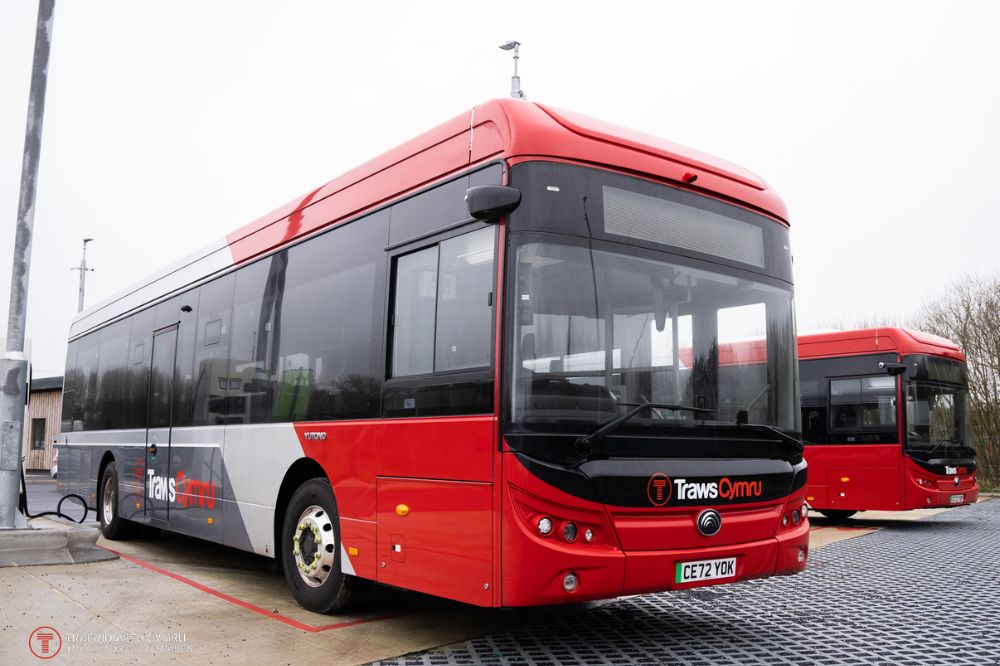
Transport is not easy - and not always popular. As well as being complex and slow to change, the transport system we are dealing with is not just about engineering, it’s about emotions, values and identity. About people.
The motor industry has spent billions over decades to get us to think about the car as intrinsic to our freedom, to our image, and even to our self-worth. “It’s one of the biggest public relations coups of all time’’ says the American transport historian Peter Norton. His research catalogues just how motor industry lobbying has shaped our towns and cities and indeed our very idea of what ‘normal’ is.
He calls it ‘motordom’: “If you locked me in a 7-Eleven for a week”, Norton says, “and then after the end of the week unlocked the door and you studied my diet over the previous seven days, then concluded that I prefer highly processed, packaged foods to fresh fruits and vegetables, I would say
your study is flawed”.
Our choices aren’t always our own. As the National Institute of Clinical Excellence said way back in 2007, we’ve created an environment that is ‘obesogenic’. What surrounds us shapes our behaviour.
Free will is a bit of an illusion if to reach a health centre we need to get to an out-of-town location that doesn't have a bus service or even a pavement.
The eureka moment in my own intellectual journey through transport policy was the realisation that there’s nothing inevitable about the way our system works. It all reflects choices that have been made. And we can still make different choices.
Reaching NetZero demands that we do make different choices. It is always scary to do; people say it’s just not realistic. But was it realistic to pedestrianise New York’s Broadway, to make Paris bike-friendly, or to charge people to drive into central London?
Was it realistic for the Bern canton in Switzerland to guarantee every small village an hourly bus service linked into a national timetable?
There’s nothing in the Dutch DNA that makes them more likely to cycle in the rain with their shopping than people in Llanelli or Llangefni.
These are all as realistic as you choose them to be. All of these were a choice to make a change. It feels daunting. But it is the challenge of our generation.
I noticed a debate on Twitter last week on whether I was the first or second most hated person in Wales. In return I tweeted a picture of my dog licking me to show that I’m not universally unpopular – at least my dog loves me.
I’ve had to face the displeasure of the public, just as TfW teams on the front-line have had to face passengers’ frustrations. And I understand why people are unhappy.
Alternatives
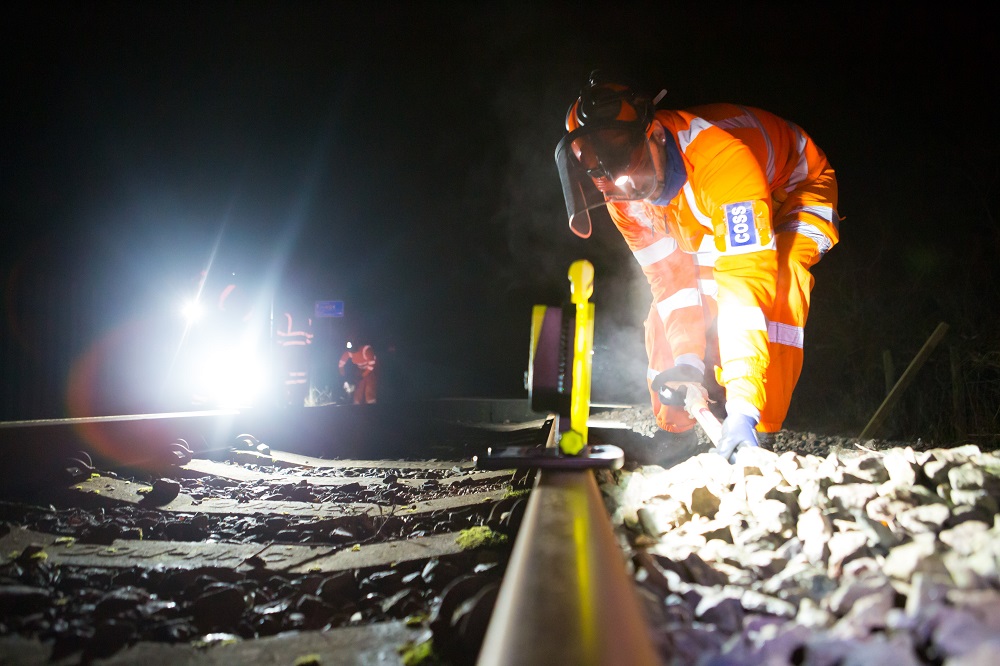
We are seen as stopping things without putting alternatives in place first: You’ve cancelled my new road but you’re cutting the buses; use the train, you say, but be prepared to stand and be squashed like a sardine. I totally get that.
It doesn’t matter if that’s not the whole picture, it doesn't need to be. Perception is more important than reality when it comes to change.
The frustrating thing about being a Minister is you know what needs to be done, but you can’t always do it all in the order or the speed you want to.
I’m hugely frustrated that we could not follow through on our intention to introduce a £1 flat bus fare for all. Not a single person in our government wants to see a bus route pulled. But the reality of austerity cuts just cannot be avoided.
We’ve done our very best to safeguard as much as we can – a base bus network that can be expanded when passenger numbers go back up, or when funding starts to flow again, as I dearly hope it will. But fundamentally we’re stymied by a system that is broken.
Rail privatisation fully collapsed during the pandemic as every company handed back its franchise. And the commercial bus model keeled over because there were just no profitable routes.
We’re fixing the system, but it takes a long time to undo the damage. And I’m afraid because of the policy of austerity we don’t have enough money to do everything we want.
To reach NetZero every sector must cut its carbon footprint urgently. To-date transport has contributed the least to cutting emissions – a fall of just 6% since 1990, compared to cuts of 64% in emissions from sectors like waste. Transport is a laggard.
But if we are serious about all our talk on the importance of ‘protecting the wellbeing of future generations’ then that must change, pronto.
As ever there are loud voices who tell us not to worry, who tell us there’s no point if China is still opening new coal mines, and who tell us technology will do the heavy lifting for us so we needn’t worry.
Well like the USA, and the UK, and the EU, China is not doing enough, but they are shifting, and when they move they move fast. Last year more solar energy come online in China than in the entire world the year before.
Modal shift
And as the country that kicked off the Industrial Revolution, we’ve got a responsibility to deal with its consequences too.
Clearly, we need to decarbonise transport – the sooner we switch to lower emissions vehicles the better. But the advice of the independent UK Climate Change Commission is clear, we cannot rely on electric vehicles to reach our emissions targets. They are necessary, but not sufficient.
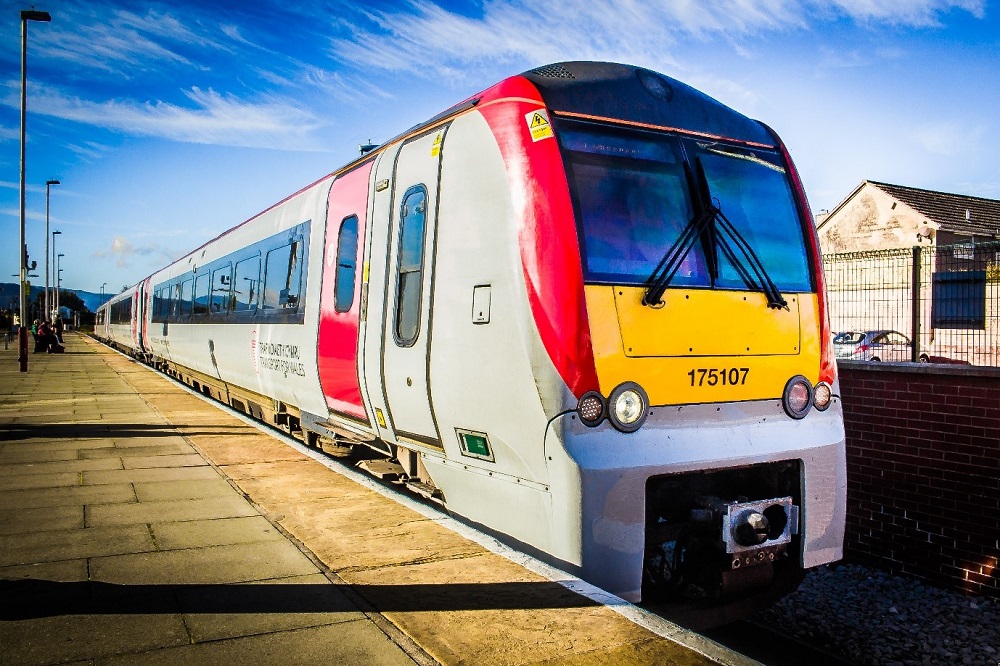
We also need to reduce car use, and shift journeys onto public transport. Around 32% of journeys in Wales are made by walking, cycling, bus and rail at the moment. We’ve got a target to get it up to 45% by 2040. That’s what we mean by modal shift.
That still won’t be enough to get us in line with where the science suggests we need to be, but even doing that will be a big stretch. It is a must-do to avoid the huge harms of global warming, but it’s also vital to help improve the
lives of our families and our neighbours in the immediate future.
From pavements clogged by cars, to parents fearful of letting their children play out, to town centres being choked-off by out-of-town shopping; the impact of a transport policy with the private car at the centre is plain to see.
What’s harder to see is the transport poverty low-income families are forced into because of it. We rightly worry that families who spend more than 10% of their income on heating their home are suffering Fuel Poverty.
But some of the poorest families are spending up to a quarter of their household income on running a car – and yet we don’t get as exercised about the transport poverty they are living with.
If the only viable way to get to get around is by car, then families force their finances to get one. High levels of car ownership are not a sign of success. They are a sign that we don’t give people a choice.
And let's not forget those who really don’t have a choice, some of our most vulnerable neighbours who through being disabled, disadvantaged, old or poor - simply can’t access a car.
The task is to create a real alternative for people - one that people choose to use because it easy and attractive to use. That’s how we achieve our modal shift targets and reach NetZero: By making sustainable transport a no-brainer. Make it easy and people will use it.
As we’ve learned from our soaring recycling rates, the 3rd best in the world, make it easy and it becomes habitual – introduce friction and it fails.
To get it right we need to start from the viewpoint of the user – the passenger; the person we want to make life easy for; the person who usually drives, AND the person who doesn’t have another way to get around.
What currently makes most of us jump in a car? Convivence, flexibility and habit. How do we get people to choose a different way to get around convenience, flexibility and habit.
TfW 2.0
The job TfW was created to do, is nearly done. The point of delivery of the Metro will mark the end of the first phase of TfW’s development.
It's time to reboot and start the second phase – TfW 2.0. If TfW version 1 was about procuring, designing and delivering a better railway. Version two is about joining up all forms of public transport and designing them to be the easiest way to make most journeys.
Transport for Wales has a key role to play as a public transport ‘guiding mind’ that integrates bus, rail and active travel.
I have written into TfW’s official remit letter that the board must lead the change to a multi-modal organisation. The board needs to stitch together the different parts of the system. To that end I’ve put a representative of local government, Cllr Andrew Morgan, onto the board as a formal observer, as well as the Welsh Government’s Director of transport, Peter McDonald, to sit alongside our trade union representative and fuse together the critical wiring of the leadership bodies.
This will be as much about culture change as anything else. I don’t underestimate what a big shift it represents, nor how hard culture change is. We need to be upfront about that and recognise what we need to do here. It is at least as challenging as building a new railway on top of an existing one that’s still running.
As part of the effort to break down barriers the first cohort of secondees from TfW will join Welsh Government next month. This is an opportunity for operational reality to influence policy and vice versa.
Marie Daly is a pivotal figure as Chief Customer and Culture Officer in working with the board and the rest of the leadership to take TfW 2.0 from theory into practice. None of it can happen without the full buy-in of the workforce, and we are already having detailed and positive conversations with the trade unions about how we can best embrace the change together.
Marie is a member of the new formal sub-group of the board that has been created to drive forward the change from TfW version 1 to version 2. It is being led by Vernon Everitt who has direct experience of running a multi-modal operator as a former managing director of Transport for London, and now Transport Commissioner for Greater Manchester where their lessons on bus franchising are invaluable for us.
The second big thing we’re changing is the scope of TfW. I’ve been slowly building up the Active Travel capability over the last five years. There is now a skilled team that is evolving into a centre of excellence for Councils and Welsh Government to draw on.
We’ve focused on getting a good pipeline of walking and cycling schemes for each part of Wales, and want to move on to behaviour change projects in parallel. Next up is bus.
Our current system is broken. In fact, you could well argue that it was set-up to fail, and covid came along and put it out of its misery. Passengers don't understand why the buses and trains don’t link up. And we’ve spent years fiddling at the edges with all kinds of well-meaning initiatives to achieve the holy grail of joint ticketing and integration. They've not really worked because we haven’t addressed the fundamental problem: the system wasn’t designed to integrate.
When the Thatcher Government deregulated the bus industry in 1985, it designed a system based on competition. They made it illegal for bus companies to coordinate routes and fares. But as 30 years of declining passenger numbers and routes has shown, the market has failed to increase passenger choice. Instead, it has pushed people into cars, and in effect has told those who don’t drive to suck it up.
To achieve our modal shift targets the system needs to be overhauled, and we want to give TfW the job of redesigning public transport in Wales around the needs of the passenger.
Later this year we’ll take a new law through the Senedd to move from route-by-route competition to a planned approach. A managed franchised system in place of a free-for-all.
Absurdity
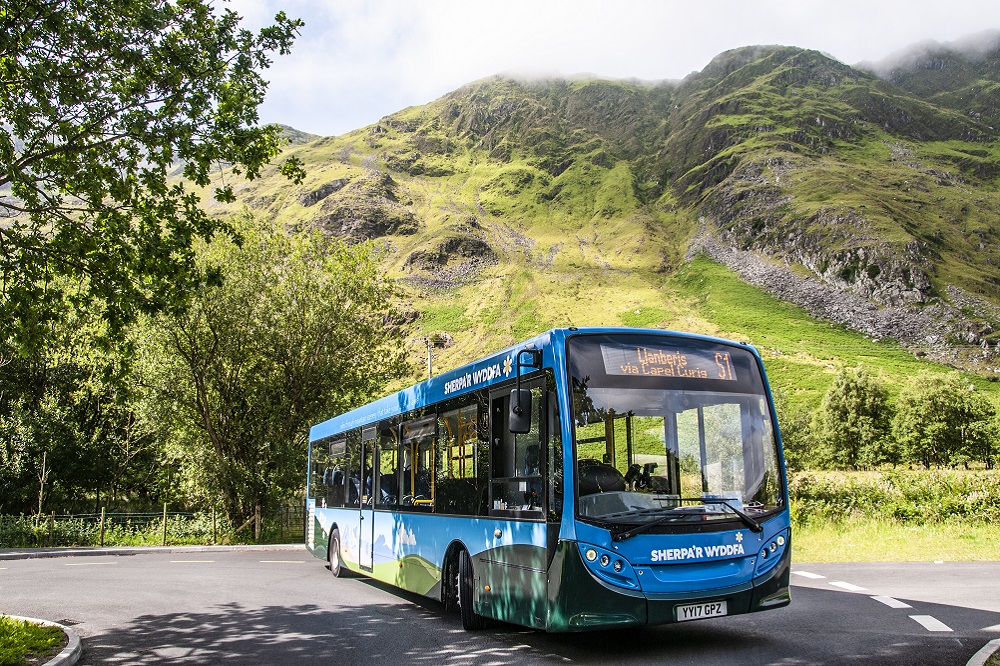
Bus routes will not be dictated by the decisions of private companies of where they can make most profit, they’ll be designed with local councils using TfW data of where people want to travel to and aligned with train timetables.
This will be a planned system that will allow us to end the absurdity of a bus operator refusing to stop at the railway station because they might lose passengers to the train. We will end the ban on using the profits of a busy route in a town to support an unprofitable route in a rural area
We will design a more efficient system and end the absurdity of public money supporting competing buses and trains along the same routes.
To give one recent example of how dysfunctional the system currently is - look at the new Grange hospital near Cwmbran. Not only was it built without any thought for how people without a car would access it, but no commercial operator was willing to put on a bus service.
When we tried to subsidise a route from the hospital to local towns we faced the threat of legal action under competition law because there was an operator who already ran a bus on a very short section of the route and it was considered unfair that their profit could be harmed by a publicly supported route.
That’s the system we’re dealing with. No matter the needs of the people, the needs of the market come first.
The fragmented system of deregulation was not designed to help public transport flourish, and that why we’re re-wiring the system in Wales to create a seamless one designed around the needs of people.
And that brings me to our third area of reform to support the move to TfW 2.0. We need to change the plumbing. We must to stop thinking about individual transport modes in isolation – separate plans for train, bus and active travel. And start thinking, and working, around the needs of people and of communities in all parts of Wales.
We are starting to see the fruits of this approach by tasking the senior team in TfW to start thinking on a multi-modal basis. In effect all the senior rail people are now also the senior bus people who are shaping the design of bus franchising. In the People team, Commercial, Marketing and others, there are already great examples where traditionally ‘rail’ people are now working on bus or integration projects too.
Passengers will be able to see what this means in practice soon. When Cardiff bus station finally opens this year, it will have the look and feel of a rail station, and a single operational team will support both.
If we want travellers to have a seamless experience, we need our operations to also be seamless between modes. This is progress, and we need more of it. It doesn’t happen anywhere outside of Transport for London. In fact, we are working with TfL to deliver management training on how the Welsh Government and TfW can become truly multi-modal partners. We are keen to learn and to be outward looking.
Partnership
I want to use the evolution to TfW 2.0 to create a pipeline of skills and talent that can work across modes. I want to look at creating a TfW 2.0 Leadership Academy to nurture future leaders and encourage a multi-modal culture.
We have called our plan for bus reform ‘One Network, One timetable, One Ticket’. It is a pithy description of our aim. We have Dr Ian Taylor to thank for that. He drew on the experience of successful public transport systems on the continent who have an overarching supervisory board charged with to co-ordinating all the different functions.
To create the ‘guiding mind’ that will help join up the different modes TfW will sit alongside Councils and the Welsh Government in a tripartite partnership to create a whole that is greater than the sum of its parts.
Local authorities are critical to this. They now need to work at a regional level to develop jointly agreed Regional Transport Plans which will deliver the modal shift targets in our national transport strategy in a way that’s tailored for each part of Wales and the communities who live there.
That will help us generate a prioritised pipeline of multimodal schemes. To support that we’re morphing the regional Metro teams that cover some parts of Wales into regional transport teams for all of Wales.
TfW, Councils and Welsh Government working as one team. Lee Robinson, now reporting direct to James Price, as Executive Director for Regional Transport and Integration, will lead a dedicated team. Again, there’s a big element of culture change here.
Some in local authorities have seen TfW as encroaching on their turf. We want TfW to be seen as a source of help, a solution to aid overstretched Council teams, not a threat to be resisted.
We are all public servants trying to make people’s lives easier. And we need to think and act like a team. Lee’s team will support partners to think regionally, and to think multi-modally; to look at the whole picture, not just the different transport elements. Land-use and planning are critical to making modal shift work; we want to end the perverse practice of new developments being built without thought for how people will get there by public transport or active travel.
Exciting change
We’ve seen the regional team approach work really well in the south east where the Burns Delivery Unit has successfully taken the recommendations of the South East Wales Transport Commission on alternatives to the M4, and developed a pipeline of public transport schemes. A joint delivery team, supervised by a delivery board to chase progress.
It has worked and I want the same to happen in north Wales with the recently published Transport Commission report also led by Lord Terry Burns. And in the other Corporate Joint Committees too. Ruth Wojtan’s work on the Burns Commission and that of her team on the north Wales Metro programme has been instrumental in this thinking and deserves to be recognised.
This is an exciting change programme. It is critical to the future of our children and our communities.
TfW have probably been on a faster growth curve than any other public body in modern Welsh history. Rough edges still, yes, but hugely impressive. After health and education, TfW is our next largest public service. One of the main touchpoints Government in Wales has with people.
The organisation has already had to invent itself, and now must redesign itself to meet the challenge of our time.
In about 6 weeks we’ll have a new First Minister. Both candidates for leadership are committed to the Metro, and committed to reaching Net Zero. The board and leadership of TfW are committed to the objectives of TfW 2.0. Not just because of a remit letter from a Minister, but because it makes sense to the business.
The next steps are clear and the challenge is exciting. The prize is huge. The consequence of failure too grim to think about.
Support our Nation today
For the price of a cup of coffee a month you can help us create an independent, not-for-profit, national news service for the people of Wales, by the people of Wales.
Get more trusted Welsh news
Choose Nation.Cymru as a preferred source in Google News to see more of our journalism.
