


Opinion
Welsh Labour or Labour in Wales?
Owain Meirion, Cymdeithas yr Iaith
A little over seven years ago, in August 2017, Eluned Morgan – then a member of Labour’s backbenches in the Assembly – was among the signatories of a letter coordinated by Cymdeithas yr Iaith calling on the British Government to begin discussions on the devolution of broadcasting powers to Wales.
Today, there’s reason to worry that the government she leads in Cathays Park is making every effort to distance itself from the idea, and if anything is acting as an obstacle for the devolution of powers in several policy fields.
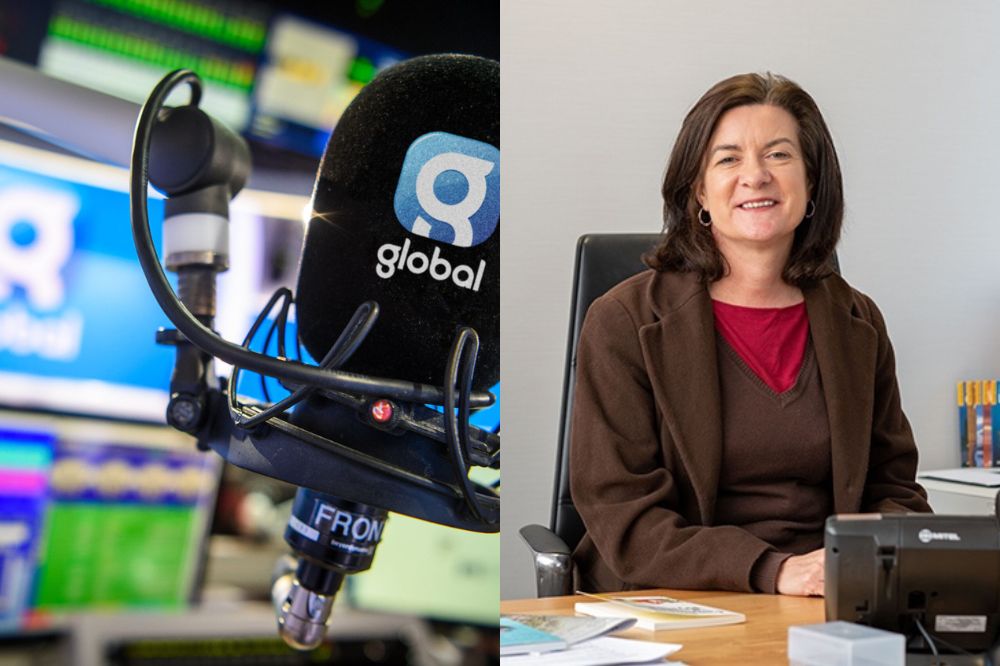
The nation's attention was fixed this month on the vital importance of making decisions regarding our own media landscape when it emerged that Global was considering bringing an end to the Welsh-language provision of the Capital Cymru radio station.
Undoubtedly, this will have a harmful effect on our communities and our language and undermine the principle of pluralism in the sector; the station brings Welsh-language content and music to an audience that would not necessarily choose to listen to equivalent provision from the BBC.
Global's decision to press ahead with the decision and their preparedness for the axe to fall so quickly on the Welsh-language in their cost-cutting efforts is further evidence of the indifference of London-based commercial companies to our language and our communities.
[mid-content-banner]
Media Bill
However, we must remember that this decision was only made possible by the passing of the Media Bill in Westminster – not in Wales – which loosened the regulations on the content and formatting of commercial radio stations, enabled by the support of the Labour Party just as much as it was from the Conservatives.
To the same effect, Ofcom, the relevant regulator, doesn’t seem to have the teeth nor the willingness to do anything about it either.
The truth is that this development would likely not have happened if powers over broadcasting were in our own hands. The Senedd would not have been able to agree so easily to regulations that would undermine the Welsh language and communities; it's a very different story in Westminster.
Opinion polls by Cardiff University's Wales Governance Centre consistently show majority support for either extending the powers devolved to Wales or full independence.
In March 2021, following years of campaigning, the principle of devolving broadcasting specifically received the seal of approval of the Senedd’s Culture Committee.
In November of that year, in their Cooperation Agreement with Plaid Cymru, the Welsh Government itself declared their belief that "communications powers should be devolved to Wales."
The final reports of the Independent Silk Commission and the Independent Commission on the Constitutional Future of Wales, published in 2014 and 2024 respectively, came to the same conclusion, marking a decade of consensus on the matter.
[taboola-banner]
Stagnant
It is both unfortunate and perplexing, therefore, that Eluned Morgan’s administration - who, as they so often like to remind us, have red governments at both ends of the M4 - are so stagnant on the matter.
The Welsh Labour Government's plans to pave the way for broadcasting devolution, by establishing a Broadcasting and Communications Advisory Body for Wales, have been sitting on the shelf gathering dust since March last year, with no sign whatsoever of their implementation.
The guiding principle behind devolution is to enable Wales to do things differently from Westminster’s archaic and failed methods.
Our government should be calling for further powers and the relevant funding in so many policy areas, to reform and improve them to make a difference to those they serve: broadcasting, justice, and railway infrastructure to name a few.
And what of the endless demands over the billions owed to Wales as Barnett consequentials for the HS2 project?
There is reason to believe that our government’s strategy in each case is to avoid upsetting the apple cart by refusing to adopt any policy of substance that may cause controversy.
This lack of imagination is not consistent at all with Welsh Labour's narrative of "standing Wales’ corner", formed by Rhodri Morgan, Mark Drakeford and others over the last quarter of a century, and it raises the question of if Labour in Wales as a party supports the further devolution of powers at all.
Support our Nation today
For the price of a cup of coffee a month you can help us create an independent, not-for-profit, national news service for the people of Wales, by the people of Wales.
Get more trusted Welsh news
Choose Nation.Cymru as a preferred source in Google News to see more of our journalism.
