


Opinion
We must help our farmers transition to a sustainable future.
Arfon Williams - Head of Land and Sea Policy, RSPB Cymru
The Sustainable Farming Scheme (SFS) will be one of the biggest changes impacting Welsh agriculture in generations. Scheme design and an adequate multi-annual budget will be fundamental to its success.
But just as important will be the advice and guidance farmers receive on transitioning from the current payment system, based on the amount of land they have, to one that pays them to manage land sustainably and the environmental benefits this provides society.
Since the mid twentieth century, following threats to food security, Welsh farming has been encouraged to intensify and produce more food, which it has done very successfully. In our lifetimes farmers have been paid for the number of sheep and cattle they kept, and generous grants were available for converting semi-natural habitats, such as traditional flower-rich meadows, to improved agricultural grasslands.
This system led to higher payment to farmers who improved their land and kept high levels of stock. The same system also served to devalue important wildlife habitats like ponds, trees, woodland and scrub as it considered them un-grazeable and therefore not worthy of payment.
The result was inevitable. Farmers are businesspeople and need to make a living from their land. The payment system supporting them provided no real option, prioritising production over nature.
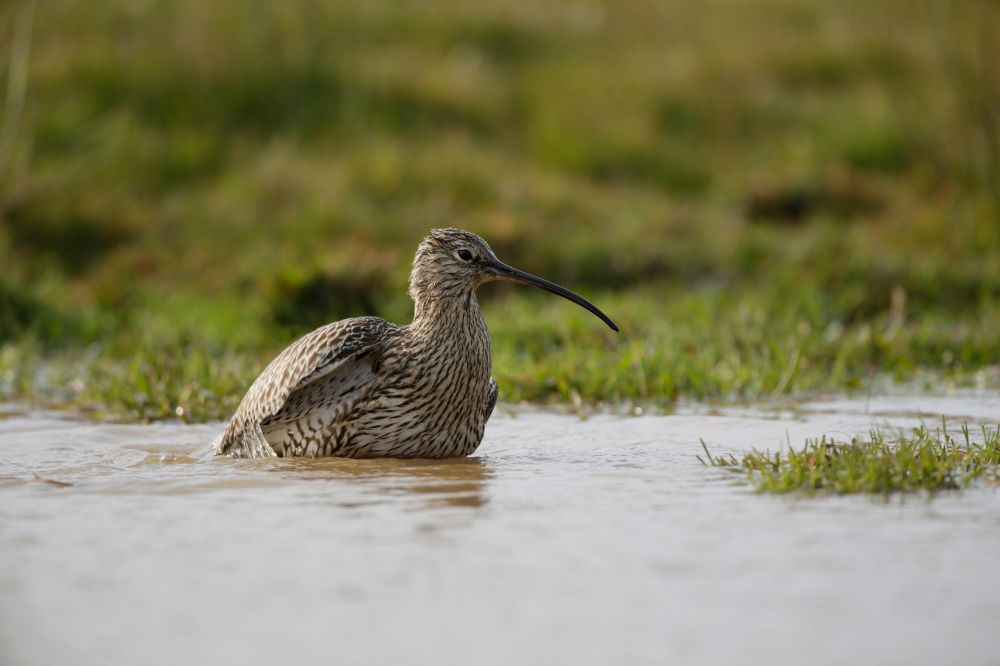
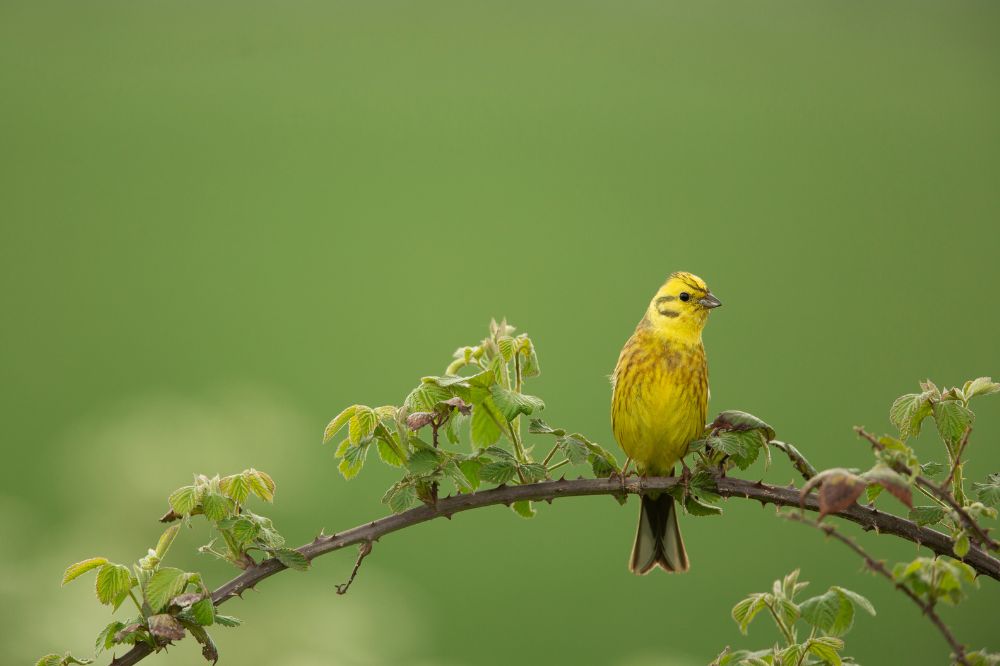
Almost half our farmland birds, mammals, amphibians, insects and invertebrates have disappeared, along with more than 90% of enclosed flower-rich grasslands because of this poorly thought-out farming policy, which failed to adequately protect nature.
[mid-content-banner]
Challenges
Wales now has a unique opportunity to develop a new approach to supporting Welsh farmers since leaving the EU and the Common Agricultural Policy (CAP). RSPB Cymru welcomes the Sustainable Farming Scheme and the use of public money to help farmers tackle existential challenges of the twenty-first century.
Only farmers can produce food, restore nature, tackle climate change and provide society with a suite of environmental benefits vital to our well-being.
There are farmers across Wales, like the Nature Friendly Farming Network, who are already taking this balanced approach. Many of them have participated in past environmental schemes, like Glastir, and as such, aspects of the SFS will be familiar.
However, to the majority of Welsh farmers who have not taken part in these types of schemes, the SFS represents a significant change from the production and area-based payment system that has been in place for decades and which has shaped Welsh farming, farmers and the services that support them.
If the majority of farmers are to transition to its new scheme, then the Welsh Government must do more to promote the benefits of sustainable land management, and resource its delivery. This includes investing in an advisory service that guarantees the right advice and guidance from trusted, competent sources as and when required by scheme participants.
Farmers can’t be expected to be experts in everything, so to transition to a sustainable future, and learn from past policy mistakes, this farming advice must balance business, nature and wider environmental outcomes.
With informed advice farming will secure value for public money, be more profitable, resilient and work with nature.
Support our Nation today
For the price of a cup of coffee a month you can help us create an independent, not-for-profit, national news service for the people of Wales, by the people of Wales.
Get more trusted Welsh news
Choose Nation.Cymru as a preferred source in Google News to see more of our journalism.
