


Opinion
The EU invested billions in Wales - will Westminster match that after Brexit?
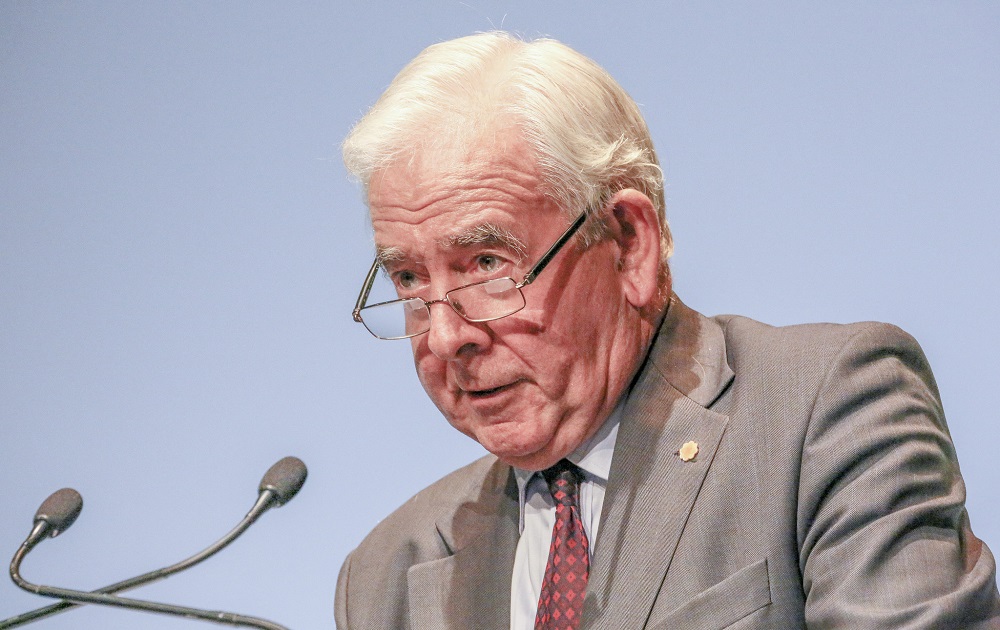
Lord Dafydd Wigley
For the past four decades, Westminster has made an art out of deflecting broken promises, funding gaps and all manner of woes as the fault of Brussels. Today in a debate I will lead in the House of Lords, I will have the opportunity to challenge the UK Government on its progress replacing EU Structural Funds and their promise that Wales would not be a penny worse for leaving the EU.
Wales’ poverty is a shocking indicator of how little Westminster works or cares for Wales. There is a 546% difference between the comparative wealth of Inner London and West Wales and the Valleys, making the UK the most regionally unequal country in Europe.
In Wales the EU worked hard with the devolved institutions to overcome decades of political and economic neglect by Westminster. By law the EU committed to addressing regional imbalances where income per head was less than 75% of the EU average. As a result, it invested £2 billion in West Wales and the Valleys alone between 2014 and 2020. Recognising the scale of the challenge in Wales, it planned to invest a further £2.5 billion between 2021 and 2027.
Underpinning this investment was the principle of “additionality”. This meant that any funding from the EU could not replace existing public funding but must be additional to it. Even when this issue first raised its head decades ago, it took the intervention of Michel Barnier – then the Regional Commissioner – to ensure the UK Government transferred European funds in full to Wales.
It was this principle of ‘additionality’ which largely explains why Wales became a net beneficiary of EU funding over the years and why European funding featured so heavily in the Referendum debate on Britain’s membership of the EU. In that debate and since, Welsh voters were repeatedly assured that Wales would not lose a penny if we left the EU.
Now that we have left the EU, it is only reasonable that Westminster delivers on its promises to Wales and delivers a comparable needs-based replacement to EU Structural Funds.
This should take the form of a Regional Development Fund for Wales. This should be administered separately to the Welsh Government’s core funding and deliver long-term investments into areas based on need, rather than population, to avoid the blatant flaws of the current funding formula. It would retain the objectives of European Structural Reforms, including an emphasis on improving employability and regional economic development.
[mid-content-banner]
Poverty
For any fund there obviously needs to be funding. The UK was allocated over ten billion Euros in European Structural and Investment Funds between 2014 and 2020, with Wales allocated just over £2 billion or £140 per person. As the Withdrawal Agreement only guarantees funding until the end of this year, a new arrangement is urgently needed.
Plaid Cymru and I argue that not only should this guarantee £2.5 billion for Wales on a pre-allocated basis over the period 2021-2027 but that it should be administered and delivered in Wales. This would honour Westminster’s pledge to match EU funding and not make a grab for Welsh powers. Equally it would ensure that Wales’ voice is heard, its rights respected and investment strategically targeted using local input to build a better future for Wales.
It is vital that we get the successor to EU Structural Funds in Wales right, and do so now, well ahead of the end of the transition period. With discussions and preparations around our future economic relationship with the EU likely to increasingly dominate the agenda, the UK Government should take this window before trade negotiations begin properly to lay the foundations for Wales’ post-Brexit funding future.
For too long Westminster has marginalised Wales in terms of investment and economic opportunity, condemning generations to a life in which poverty is the norm, not the exception. With a third of Welsh children living in poverty, post-Brexit Britain must urgently prove its worth and invest in Wales to deliver real economic opportunity and action.
Wales’ institutions have been confirmed by two separate referenda and have extensive experience in regional investment. Having delivered his Brexit on the back of a promise to Wales, Johnson must work with and not against its institutions, match EU funding in Wales and invest in the forgotten margins of the UK.

Support our Nation today
For the price of a cup of coffee a month you can help us create an independent, not-for-profit, national news service for the people of Wales, by the people of Wales.
Get more trusted Welsh news
Choose Nation.Cymru as a preferred source in Google News to see more of our journalism.
