


Opinion
The ‘British housing market' was never designed with Welsh communities in mind
Stephen Price
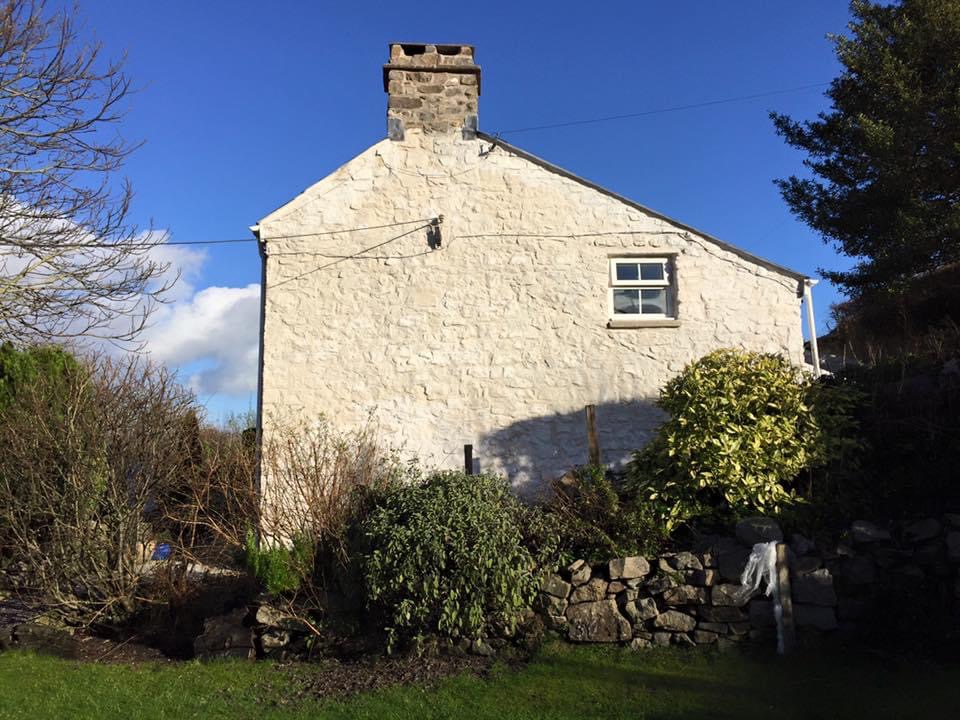
When I bought my first house back in my early thirties, a stone’s throw from where I’d grown up, but still a relative stranger to the new and tiny community I was moving to (none of them being from the area themselves), I determined to find out anything and everything about my new house.
I reinstated a leaking old chimney, hacked off render to reveal stone which was repointed and limewashed and trawled the net and spoke to anyone I could to find information about its time as a shop, the ruins of a pub in its garden and the people who lived there before me.
What surprised me to hear but shouldn’t have now I think of it, was that many residents of the row, which had been built as one-up one-down houses for workers of the nearby quarry and their large families, regularly swapped houses with their neighbours throughout the lifetime of the houses.
[mid-content-banner]
Cymuned
As families expanded or contracted, neighbours mutually agreed to switch to a more suitable home. A win win for everyone. No money was exchanged. These people were often family, colleagues or school friends, or quite-often all three. It just made sense.
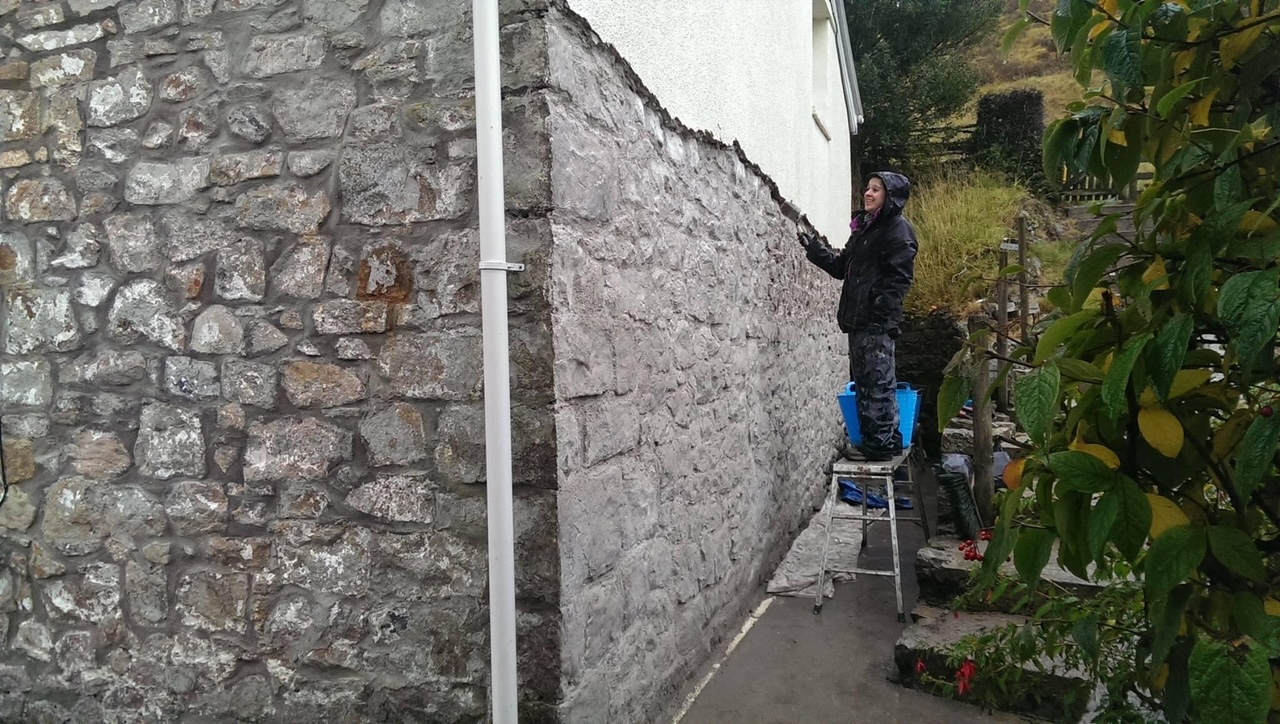
Houses in this lovely row have now changed somewhat - with some being a mix of two or even three of the smaller cottages knocked into one, and they change hands for a pretty penny thanks to their postcode.
But what we never hear online when we talk about our housing in Wales, is the makeup of the people within them. Are we allowed to?
Will I be attacked by commenters for saying out loud that most of my friends, my family, and a huge proportion of the Welsh folk I know live within rented, housing association, council or ex-council properties, while Wales' nicer houses, the farmhouses, townhouses and stone terraces, are often slightly too far out of reach for most of us?
After being virtually given away, with little concept of what was to happen with house prices and the shifting makeup of our communities, the great-great grandchildren of the builders of our most beautiful homes in Wales now have little hope of owning such a home.
With council house purchasing now a thing of the past here in Wales, for good or bad, the likelihood of many of them ever owning any home where they come from is quite small.
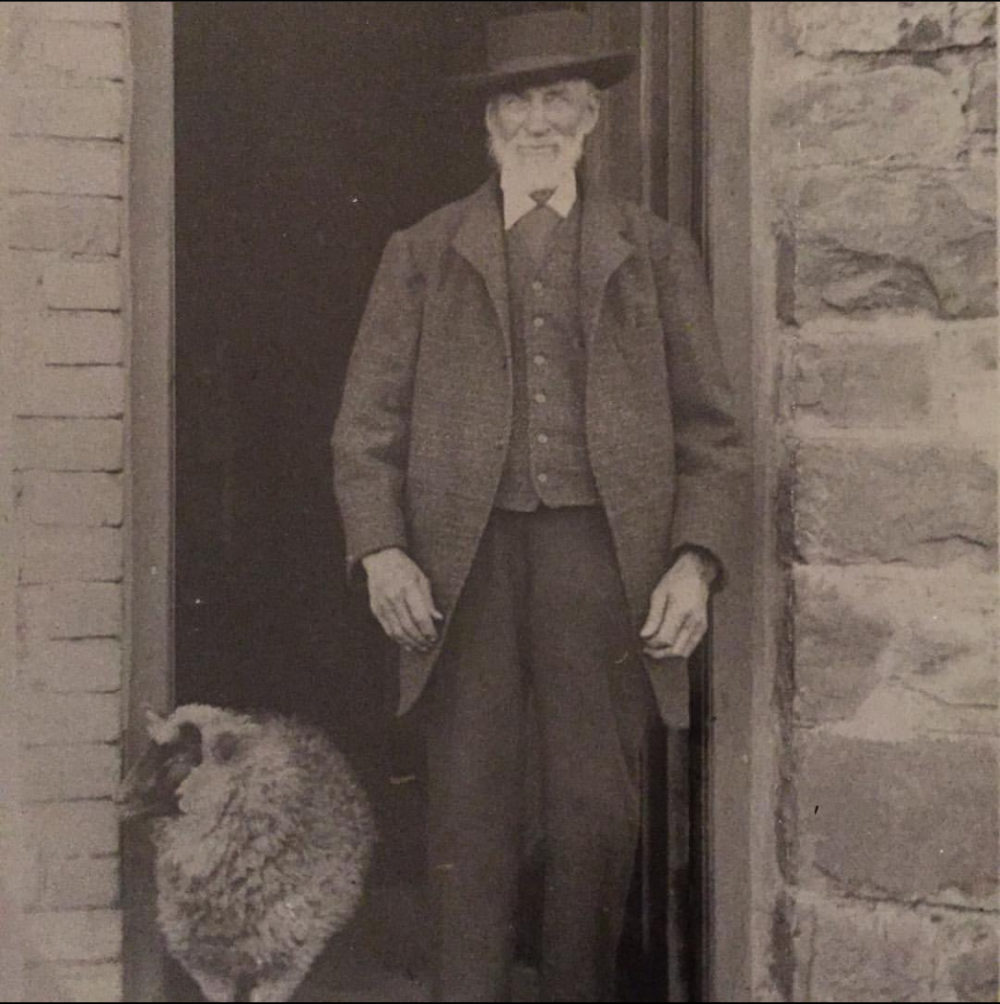
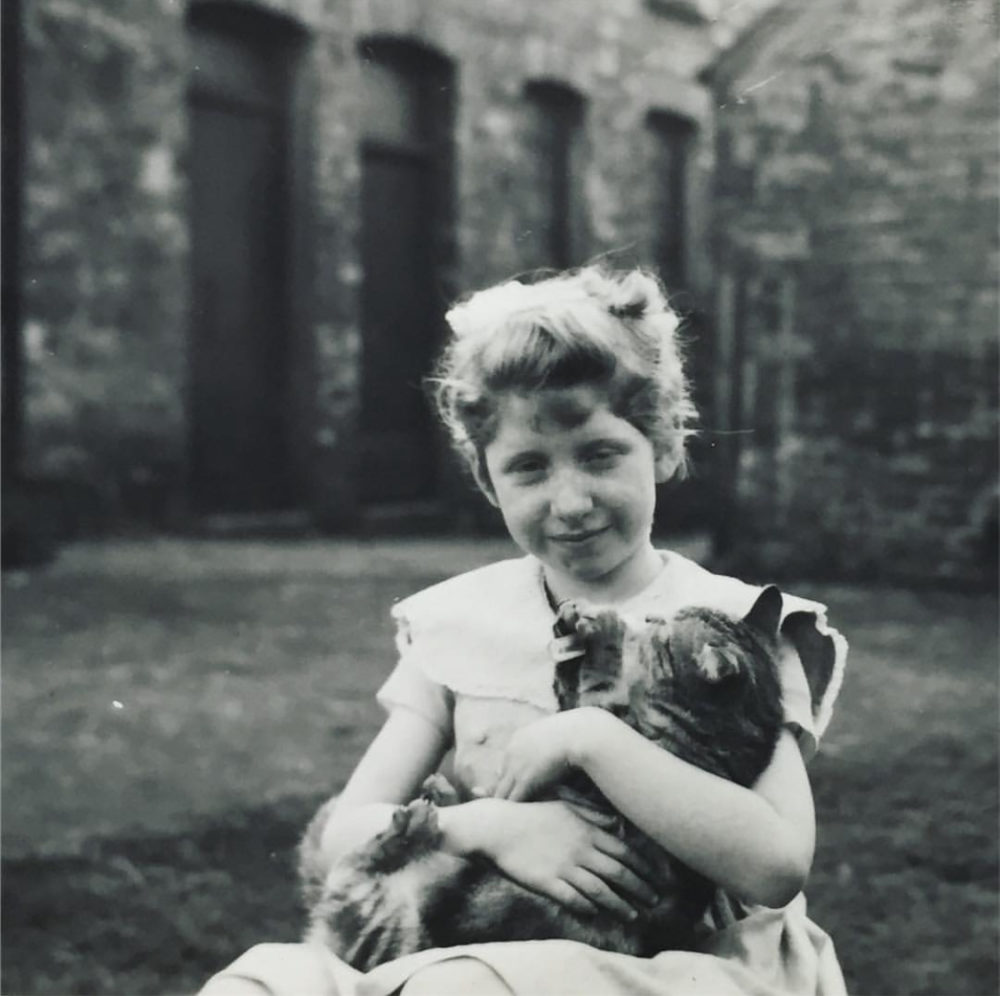
My mum’s line illustrates this well.
The family home, built by my great great grandfather who had walked from Capel y Ffin to the valleys in search of work, was sold in the 90s for peanuts and is a thing of true, humble Welsh beauty. My mum and her brother, however, spent most of their adult lives in council properties.
The village I grew up in is also one of this contrast - I know fewer and fewer people who live in the swoon-worthy older (and now more expensive) houses - the council estates however, they’re pretty much all familiars, hen gyfeillion, save for those that were bought and sold or homes of people now passed.
[lower-mid-content-banner]
IT WOZ U WOT SOLD IT
Social media commenters, often middle-aged chaps from outside Wales who have a strange obsession with Welsh news, wait at the edge of their seat to shout at Welsh people who have very valid, and often quite passionate or sad concerns about their changing communities - holiday homes, AirBnBs, rental portfolios and unattainable prices in particular - with a cut and paste ‘BUT WHO SOLD IT TO THEM IN THE FIRST PLACE THEN?!!?!?'
And they’ve got a point. Our houses, and indeed our land, have been sold en-masse for often laughable amounts, and often simply because (I feel - just my opinion - this is an opinion piece after all!) it’s not been in our makeup to think of our homes as financial assets. It’s not who we were or even, really, who we are. We didn’t see that coming.
For us, our homes were for living in, for playing a vital role in the communities we live and love in, not for accruing wealth at the expense of the next generation.
We’re waking up here now though, we’ve had to - we know we can’t buy anything suitable unless we sell for what’s suitable. But we haven’t always known that.
Our houses were pitched low to reflect the low wages (and savings accounts) of the local market, but the market is now national. The locals are locked out.
And this is not just a feeling I’ve got, a gripe I have. I’ve worked for a housing association and community development organisation and witnessed first hand the deprivation, and the make-up of those people and how and where they live.
I also know (or more appropriate know of and have never met) the people who own the ‘portfolios’ and ‘empires’ (what a telling word) of rental properties my friends and members of the next generation of my family live in and where these property owners do and don’t come from. And I don’t care if it’s not polite to call it out.
Sadly, the housing market in Wales is so skewed at this point that efforts to address the fallout of this modern imperialism are causing landlords to retreat, rents to rise and leaving people who can’t tick the box for a mortgage but could easily afford one compared to the rent they pay with nowhere to go.
An omnishambles that has happened on the watch of our two main indistinguishable political parties who just don’t get it. They’re not from our planet let alone our communities.
I myself sold this very house I speak of to a family whose children went to the local Welsh school at the time. The estate agents were dumbfounded when I chose to sell it at its asking price and not to go to higher bids and pit them against a cash buyer who had found the house on Rightmove, and not through local love or knowledge.
Sealed bids and ‘offers over’ have now become the norm in our property hotspots - a norm I found myself caught up in during my most recent purchase, fancy that. A Scottish import perhaps? A London one most likely.
Some would say I was foolish to sell to the right people and not the middle aged almost-retiree with very deep pockets. I could have perhaps gone on to buy bigger and better. But I’m happy with my decision - I love my house, my cymuned. My cynefin.
Escape to the country
Since that time, the Severn Bridge tolls are no more, and prices in my village have reached eye-watering levels as a result of England's, and chiefly Bristol’s, housing crisis.
What’s cheap to them isn't cheap for us. And that’s the story right across Wales.
I wonder if we in Wales would have such a crisis ourselves if we weren’t being used as an overspill or an ‘escape’? And why are so many escapees so un-self-aware that they often make us feel in need of an escape ourselves?
We so-often talk about the fallout on Wales’ coastal or Welsh language communities, but Newport, Torfaen and Monmouthshire have a similar crisis.
The crisis is especially acute for first-time buyers or private renters, and counties in the north-east have similar tales to tell thanks to the house prices of Chester, Manchester and the like.
Too many families that I know of, my own included, rushed to get a swish council house in decades gone by and left their old draughty or damp houses behind thinking they’d struck gold.
It wasn’t them that actually hit precious Welsh gold veins, however.
Isn’t it sad that the houses we all flocked to are now very often the cold damp ones, the littered ones, the un-mortgageable ones, the ones dogged by anti-social behaviour. It’s so very easy not to care about something that’s not yours, that you’re not connected to.
This isn’t a housing market of Wales’ creation or a housing crisis of Wales’ creation.
How different might things have been if we’d only kept playing by our own rules. Maybe it’s time we had the power to make some new ones.
Support our Nation today
For the price of a cup of coffee a month you can help us create an independent, not-for-profit, national news service for the people of Wales, by the people of Wales.
Get more trusted Welsh news
Choose Nation.Cymru as a preferred source in Google News to see more of our journalism.
