


Tue, 21st July Cardiff 25°
Nation.Cymru wordmark
Advertisement

Opinion

Taxing income is the fairest way of raising money
By Emily Price
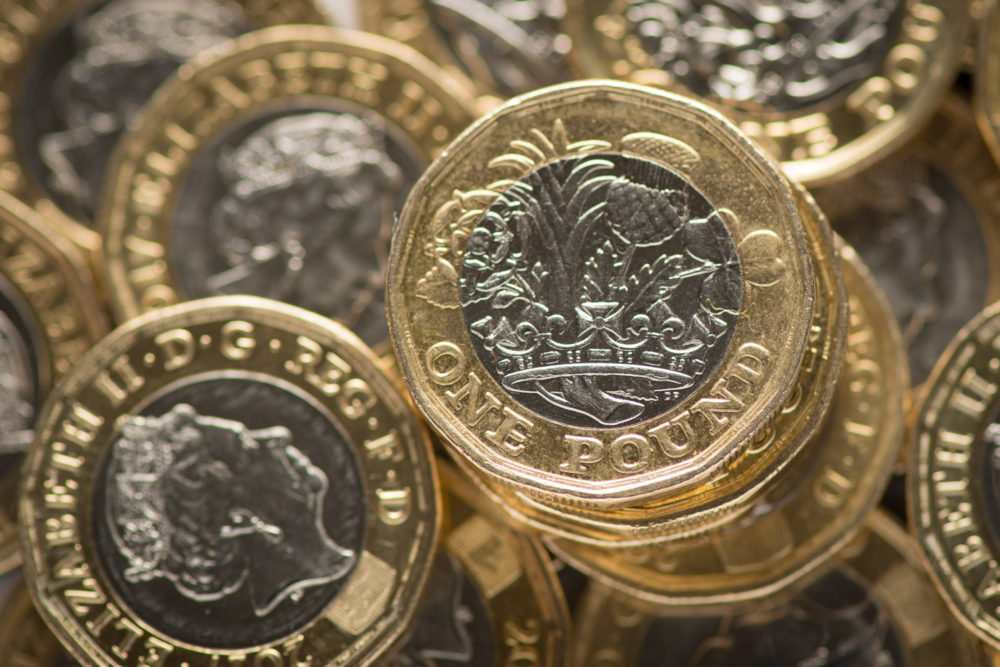
One pound coins. Photo Dominic Lipinski/PA Wire

Mike Hedges - MS for Swansea East

Taxing income should be the fairest way of raising money with the more people earn the more they pay.

Tax on income can be split into income tax, national Insurance, dividend income, including tax on income from savings and capital gains.

Everyone, in the UK gets a tax-free allowance each tax year. This means that people do not pay tax on this amount of their earnings. If someone earns less than the threshold, they will not pay any income tax.

Tax is paid on anything above the amount and the percentage paid will depend on the income level. The three income tax levels are basic rate, higher tax rate and additional tax rate at 20%, 40% and 45%, respectively.

Income tax is charged at graduated rates, with higher rates of income tax applying to higher bands of income. Tax is charged on total less certain deductions and allowances.

Everyone has a personal allowance of £12,750 and on all earnings up to that no tax is paid. From £12571 and £50,720 tax is paid at the basic rate of 20%.

Between £50,271 and £125,140 the higher rate of 40% is paid. At over £125410 an
additional rate of 45% is charged.

There are arguments for increasing the tax-free allowance and the tax bands in line with average earnings and for the additional rate to be increased.

National Insurance is another tax on income. National Insurance has to be paid by both employed and self-employed workers from 16 until they reach state pension age (currently 66) even if they are still working, they become exempt from paying National Insurance contributions.

[mid-content-banner]

Benefits

There is no national insurance paid on earnings below £12,570, or by people who are unemployed, or receiving benefits.

Earnings between £242 and £967 a week attracts a national Insurance payment of 8% but over £967 a week the national insurance rate is 2% and those over state pension age pay nothing no matter what they earn.

For people who are the self-employed, if profits are £6,725 or more a year, Class 2 contributions have to be paid. If profits are more than £12,570 a year, people must pay Class 4 contributions.

If profits are less than £6,725 a year nothing has to be paid but it is possible to choose to pay voluntary Class 2 contributions.

I can see no logic in having different national insurance rates for employed and self-employed people and would like to see the same rate paid by both.

Another method of payment favoured by many self-employed people is to be paid via dividends rather than taxable income and to pay tax on those dividends. No tax is paid on any dividend income that falls within the Personal Allowance, there is also a dividend allowance each year.

Tax is paid only on dividend income above the dividend allowance which in tax year 2024/25 is £500.

Dividend taxation is substantially less than income tax with a rate of 8.75% on earnings from £12,571 to £50,270, 33.75% on earnings between £50,271 and £125410 with an additional rate of 39.35% paid on earnings over £125410. Also, if the income comes from an ISA, then there is no tax to be paid.

I can see no logic for tax on dividends being different to income tax and tax on dividends should be treated as income and taxed at the appropriate income tax rate.

Whilst savings currently in ISAs should continue tax free and be able to be rolled on, apart from the help to buy ISA there is no reason to allow new ISAs to be purchased.

Finally, Capital gains tax which is a tax on the profit on the disposal of an asset at a profit. It is the gain that is taxed, not the amount of money received.

For example, if someone bought a painting for £5,000 and sold it later for £25,000, makes a gain of £20,000 (£25,000 minus £5,000). You also do not have to pay Capital Gains Tax if all gains in a year are under the tax-free allowance.

Chargeable

For a higher or additional rate taxpayer the rates are 24% on gains from residential property, 28% on gains from “carried interest” if you manage an investment fund and 20% on gains from other chargeable assets.

For basic rate taxpayers, the rate paid depends on the size of the gain, taxable income and whether the gain is from residential property or other assets.

If the gain is within the basic Income Tax band, 10% is paid on gains (or 18% on residential property and carried interest. 20% is then paid on any amount above the basic tax rate (or 24% on residential property and 28% on carried interest).

I fail to understand why capital gains is taxed differently to income. This short article does not look at ways such as non-domicile status and other ways
of reducing the taxable income but considers only the four main taxes on income.

My recommendations:

All income is taxed at the same rates as income tax and the same bands for dividend income and capital gains tax as income tax.

The current income tax bands and rates to apply to all income.

National Insurance to continue as long as people work and earn beyond the threshold.

No new ISAs except help to buy ISAs to be issued.

For the price of a cup of coffee a month you can help us create an independent, not-for-profit, national news service for the people of Wales, by the people of Wales.

Get more trusted Welsh news

Choose Nation.Cymru as a preferred source in Google News to see more of our journalism.

Choose Nation.Cymru as a preferred source in Google News

29 comments

Adrian

Some questions: Why is the tax-free allowance to remain frozen until 2028 and not raised annually in line with inflation - like public sector pay? You make no mention of Inheritance Tax: what are your recommendations? You make no mention of taxing private pension income: does this mean the current tax breaks should remain in place? The cost of ludicrously generous public-sector pensions is now larger than the entire UK economy: this is unsustainable. You make no mention of this cost to the tax-payer, nor whether reform is needed. What are your thoughts? Many thanks

Reply
Carol Loughlin

If you think the average public sector pension is ludicrously high you are clearly unfamiliar with pensions paid to the lower ranks.

Reply
Adrian Bamford

Your pension is far more generous than that of a comparable worker in the private sector.

Reply

In reply to Adrian Bamford

Padi Phillips

This sounds like jealousy. So why don't private sector workers organise, join a union and agitate for decent pensions like public sector workers did? I'm sick and tired of listening to sour grapes from people who didn't have the nous to realise that their interests, both when in work, and longer term, once retired, are better taken care of through joining a union. It also needs to be realised that pensions are deferred pay, and far from being unsustainable are such a formidable financial asset that the Westminster government is considering amalgamating all the local government pension schemes so that the fund can be better used for investment. Personally I would prefer that the schemes for Wales were set up in an exclusively Welsh fund, to be used solely for investments in Wales, but the idea is a sound one whatever. Anyone fooled into thinking that any pensions fund is insufficient is basically swallowing right-wing propaganda. Of course the boss class is going to peddle that kind of myth, and there will always be the hard of thinking who will fall for the ploy, but the sole reason the UK is in the state it is is down to the ultra-rich and their tame politicians on both sides of the political divide, hence Reeves sounding more and more like Thatcher every day, even to the point of peddling the same lies.

Reply
Iron Spider

Freezing the tax-free allowance is a stealth tax rise that the Cons introduced. Labour isn't going to change this if the Cons were happy with it.

Reply
Adrian

Yes, that’s my point really. They flip-flopped a bit at the time, eventually opposing it…but now they’re in government they seemed to have warmed to the idea. Funny that!

Reply
Annibendod

Why does Mike write long lists with a very brief expression of opinion and little to no reasoning? Where's the insight? Any proposals for reform beyond tinkering with rates? I didn't get anything from this that I couldn't have read on the gov.uk website.

Reply
Jack

Taxing income is also the most efficent way of taxing people.

Reply
Iron Spider

Is it more efficient than taxing consumption? The problem with taxing at source is the money can't then be spend in the local economy which hurts GDP. Making the lives of tax collectors easier isn't the only objective. And on VAT I'd like to reintroduce VAT refunds for tourists. But *only* when the money is spent in shops in regions which are below the UK average GDP per capita. If someone wants to come to the UK for cheaper shopping, they should at least have to travel outside London to do so.

Reply
Jack

Taxing HMRC known income is questionable as it avoids the cash economy issue.

Reply
Linda Jones

Any thoughts on land tax, property tax or wealth tax not to mention the £billions lost each year to tax dodging. There is also the issue of quantative easing, printing money to invest in people and infrastructure rather than being given to the banks as happens now.

Reply
Mawkernewek

That's what I was wondering. Seeing the title I was expecting him to justify why he didn't think more taxation based on wealth was a good idea, but he just doesn't mention it.

Reply
Linda Jones

Yes very poorly thought out piece. I dont think he gets it

Reply
Linda Jones

The U K tax system is broken. The system is increasingly absorbing those on a very low income into the income tax system. Given the income threshold is now just over £12,000 and frozen, those on a very low or modest income are now paying 20% and 40% income tax respectively. Those earning £millions only pay 45% of whats left of their taxable income after accountants have dont their work. Even struggling pensioners whose only income is very low state pension are now paying income tax. The system is clearly designed to screw those on a low income

Reply
Padi Phillips

Please do some calculations before you come out with statements that are going to make you look stupid. Someone who is living on the new state pension of £221.20 a week gets £11,502.40 a year. The income tax threshold is £12,570, so clearly the new state pension is under the tax threshold, so no income tax is payable on it. And whilst the state pension is hardly riches beyond belief, it's not penury either, and I manage to live well on it. I have more than enough food, can easily afford to pay all my bills, and I am actually saving a tidy sum each month. I also seem to be able to afford to buy all the books I want.

Reply
Linda Jones

There are some small variations within the state pension. My aunts only income is the state pension and she has just received an income tax demand for 2023/24 as her state pension has gone slightly over the tax threshold. Bearing in mind the freeze on the income allowance is in place until 2028, many more pensioners will be paying income tax on their state pension, even those on the basic flat rate as you are. Maybe you should have looked at all the variables within the state pension before making statements that make you look stupid.

Reply

In reply to Linda Jones

Padi Phillips

What variables? The government website certainly mentions no variables that would incur income tax for someone who receives only a state pension. https://www.gov.uk/government/publications/benefit-and-pension-rates-2024-to-2025/benefit-and-pension-rates-2024-to-2025 The income tax threshold is £12,570, so it stands to reason that anyone on less than that, and anyone on the new state pension is under that threshold. The basic state pension is less than a new state pension, and pension credit can be claimed on that. No state pension will be over £11,502.40, and many less. The only situation is where someone has deferred taking their pension upon attaining state pension age, which means that they will then receive more, but that would mean that it's no longer the standard amount, which might then take someone's income over the threshold. It's also been known that HMRC make mistakes. I suggest that your aunt contacts Age UK as I don't think income tax is payable unless someone is getting more than £1000 over the annual amount of the new state pension. With my small local authority pension, which is annually about £600, I am still not liable for income tax. I am not on a basic pension, as I receive a new state pension, which is considerably more than the basic pension. I also receive a small local authority pension, and even with that I am not over the threshold, so am not liable for income tax.

Reply

In reply to Padi Phillips

Linda Jones

No-one getting the basic state pension pays income tax yet. Some, like my aunt, get more than the basic rate because of contributions made into the system over many years. Their state pension is at a slightly higher rate than the basic so they pay tax. This is the first year my aunt has had to pay income tax on her state pension. Its for the year 2023/24. As time goes by everyone on a state pension will pay income tax unless the tax threshold is increased or the rate of state pension is frozen.

Reply
Iron Spider

"Everyone has a personal allowance of £12,750" This isn't actually true. From Gov.uk: "Your Personal Allowance goes down by £1 for every £2 that your adjusted net income is above £100,000. This means your allowance is zero if your income is £125,140 or above." This clawing back of an allowance that everyone should have is wrong because it sends a message that wealthier people should pay disproportionately more. Any message of fairness in taxation needs to apply in both directions to avoid morally justifying aggressive avoidance. Everyone should have the same allowances and everyone should pay the same tax, proportionately. Subjecting all sources of income to the same income tax is fair. When they declared their earnings, Mr Sunak's effective tax rate was around 22% while Mr Starmer was paying 33%. There is no justification for this disparity. The article also doesn't highlight that Employee National Insurance drops to 2% above £50,268. This discount should be removed. Obviously Mike's MS salary would be significantly affected by this. Perhaps that's why it wasn't suggested?

Reply
Mike.hedges

I recently passed 66 so pay no national insurance. As I said that is wrong

Reply
Annibendod

I wish Mike had addressed these two particular facts: 1. The UK taxes some 6% or so less than the EU as a proportion of its GDP which equates to about £150Bn of revenue every year. Reeves commited to NOT raising taxes. Why? Public services are on their backside and even now Labour are asking departments for further savings! 2. UK billionaires have doubled their wealth since 2008. Should they not contribute more to the public purse? Why do we fear capital flight when our neighbours do indeed tax considerably more? We are not having an honest conversation about taxation. It's hugely frustrating. Furthermore, the UK govt is not investing sufficiently in the Welsh economy. There's a reason why our GDP/Capita has fallen behind the UK average decade on decade for the past 100 years. The UK fanboy parties do not address it and do not correct it. Giving us our taxpayers money back that they spent on HS2 would be a start. Let's be honest, if the UK committed to a £5Bn per year stipend for capital projects in wales for the next decade we could transform our economy for a tiny % of UK GDP. If the UK was what the Unionists claim it to be, there would be no argument about giving this. Why don't Labour MS's like Mike argue for it?

Reply
Mike hedges

Annibendod awaiting your article on taxation

Reply

In reply to Mike hedges

Annibendod

Nothing to contribute yourself then Mike beyond a long list or a pithy remark? Able to answer my points? Thought not. Here, this might help you and your party get some ideas. https://www.tax.org.uk/election-2024-plaid-cymru Also, your Senedd group said Wales should get its HS2 money back. Now your party's in power at Westminster, we should be expecting that money any day now. I'm sure you're awaiting it as eagerly as I. Always happy to be of help.

Reply
Linda Jones

Does the UK 6% lower taxation than the EU include the 8% we pay in NI?

Reply

In reply to Linda Jones

Padi Phillips

Social taxes in Europe (inc UK) can be found on this website: https://rue.ee/blog/social-security-tax-rates-in-europe-2024/

Reply
Mawkernewek

Earnings between £242 and £967 a week attracts a national Insurance payment of 8% but over £967 a week the national insurance rate is 2% and those over state pension age pay nothing no matter what they earn. Do you not recommend changing that, because as it stands, National Insurance is a regressive tax, since the rate actually drops rather than increases once you start earning over £967/week.

Reply
Linda Jones

Good point. I didn't know that.

Reply
D412

Dividend tax is the easiest hit - there's no reason (other than 14 years of Tory rule appeasing affluent pensioners) that people sitting around doing nothing getting paid dividends should be paying 11.25% less tax on their income (8.75%) than those working for it (20%).

Reply
mike hedges

I am glad it has generated so much discussion. With one exception they have been reasonable and measured, that does not mean i agree with all if them. We need a fuller debate on taxation beyond 800 words and comments

Reply

Leave a reply

Replying to Linda Jones Cancel

Any thoughts on land tax, property tax or wealth tax not to mention the £billions lost each year to tax dodging. There is also the issue of quantative easing, printing money to invest in people and infrastructure rather than being given to...

Comments are reviewed before they appear.