


Opinion
So, we’re having a General Election – what does this mean for Wales?
Ifan Morgan Jones
The Labour Party have today announced that they are backing an early General Election, which is expected to happen in the first half of December.
So, what does this mean for Wales? Well if the polls are to believed it could mean the first Conservative victory in Wales since passage of the Reform Act 1867 which enfranchised most male householders.
The latest Welsh Barometer Poll had the Conservatives on 29% to Labour’s 25%, and just short of Labour’s 18 seats on 17 seats.
Everything therefore currently points to a dominant Conservative performance at the General Election.
However, the polls are extremely volatile. The Conservatives lead in the polls by 41% to 35% in Wales in the run up to the announcement of the 2017 General Election, but Labour ended up getting 48.9% of the vote to their 33.6%.
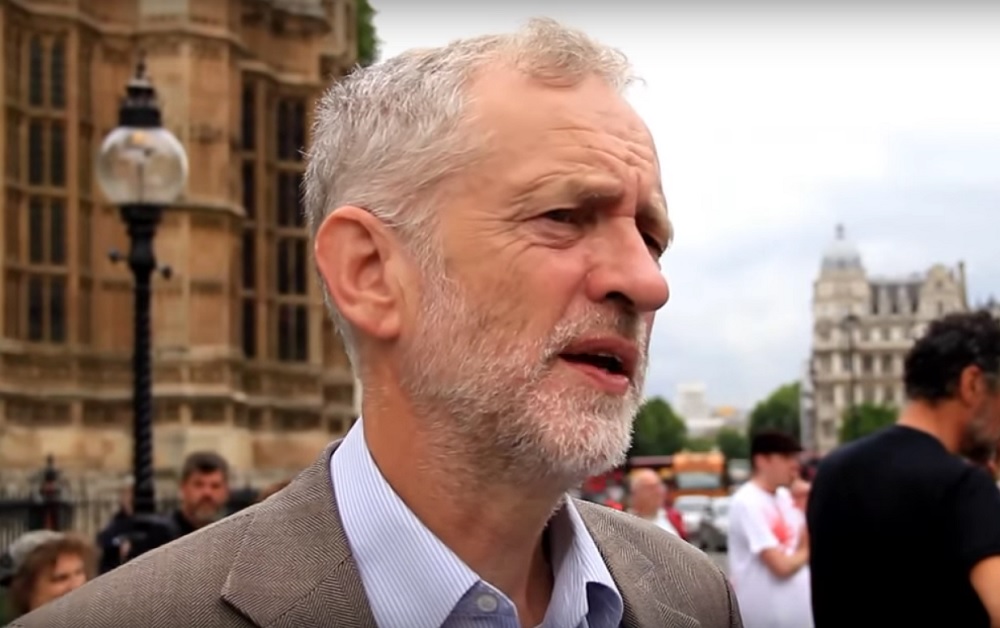
I would suspect that Labour won’t see quite as big a rise this time as Jeremy Corbyn is more of a known quantity and is historically unpopular.
But an awful lot could depend on whether Labour are able to win back Remain supporters which have moved to Plaid Cymru and the Liberal Democrats and whether Boris Johnson will be able to do the same with Leavers who are currently backing the Brexit Party.
I would expect to see the polls shift significantly between now and election day, but in whose favour that happens will matter an awful lot of the success of the different campaigns in getting their message across.
[mid-content-banner]
Seats
So, what are the seats to keep an eye on in Wales?
Plaid Cymru have two jobs to do – win Ynys Môn where current Labour MP Albert Owen is standing down, and defend Ceredigion from the Liberal Democrats.
The second is a massive task given that the Lib Dems were polling in single figures when Plaid Cymru MP Ben Lake took the seat by 104 votes in 2017.
For the election night to be considered a decent one, therefore, new Plaid Cymru leader Adam Price probably really, really needs to win Ynys Môn.
He should also fear a rear-guard action by Labour in the seat of Arfon, which was retained by Plaid Cymru by only 92 votes in 2017.
If Labour hope to make gains in Wales rather than just defend what they have, they will invest in Preseli Pembrokeshire and Aberconwy, which are held by under a 1,000 votes each. The Secretary of State for Wales, Alun Cairns, could also be in danger in the Vale of Glamorgan with a 2,190 majority.
The Conservatives will be targeting the Vale of Clwyd, Gower (which they held before 2017), and Cardiff North. On a historically good night they could also capture Alyn and Deeside, Bridgend, Clwyd South, Delyn, Newport West, and Wrexham.
As already mentioned, Ceredigion with its 104 vote majority will be Liberal Democrat target seat number one.
Keeping the newly won Brecon and Radnorshire will be the next big aim, as well as perhaps challenging for neighbouring Montgomeryshire.
What complicates a few of these seats further is that it’s difficult to judge whether people will vote on party lines or on Brexit lines.
Is it reasonable to expect the Conservatives to take Cardiff North when the city is so pro-Remain?
Will seats open up elsewhere in Wales that weren’t likely prospects, but could be because of the shift in allegiance that has come with the political polarisation as a result of Brexit?
Will some parties announce a pact in order to make them more competitive in certain seats? There was some talk a few months ago of a Plaid Cymru / Liberal Democrat / Green pact, in particular.
The one certainty is that this will be perhaps the least predictable General Election in many of our lifetimes. It’s all to play for.

Support our Nation today
For the price of a cup of coffee a month you can help us create an independent, not-for-profit, national news service for the people of Wales, by the people of Wales.
Get more trusted Welsh news
Choose Nation.Cymru as a preferred source in Google News to see more of our journalism.
