


Opinion
Should we stop asking people whether they speak Welsh?
Dafydd Trystan
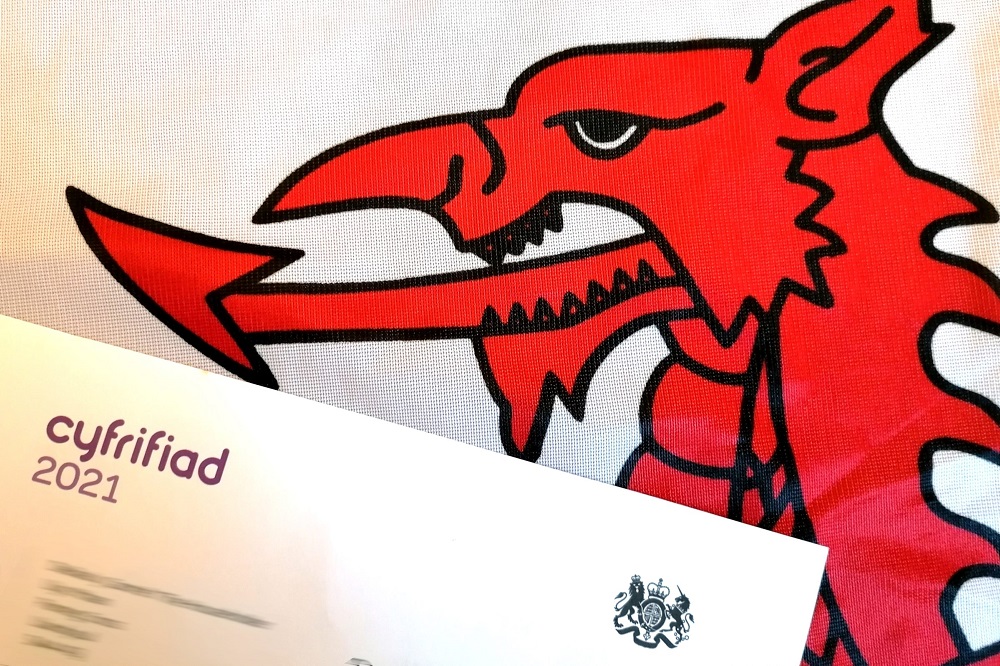
In less than a month the latest set of census data will be published including the number of Welsh speakers in Wales. Many column inches will be filled as people study the figures in great depth.
Some will search for confirmation that Cymraeg is thriving will others will seek out evidence that the language is on its last legs – and more or less any option in between!
But, there is a very real danger in placing too much emphasis on the census figures. At the last census in 2011 a little under 600,000 people said that they spoke Welsh. The most recent figures from the annual population survey found 900,000 people saying they spoke Welsh, and opinion polls have recorded over a million Welsh speakers over the past decade.
Surely they can’t all be correct?
The somewhat surprising answer is that it's perfectly possible that all those surveys are consistent. The census asks ‘Can you understand, speak, read or write Welsh?’ and respondents are asked to select each option that is relevant to them.
But language skills are not suited to a binary Yes/No question. Think for a moment about a language you may have learnt at school and used on holiday in Europe. If you were asked whether you spoke French or Spanish, the chances are you would respond by describing your skills in the language. ‘I speak a little’, ‘I can take part in most conversations’, ‘I can order meals, drinks and talk to people in shops.’ etc.
Yet, when we come to talking about skills in Welsh we ask people to say YES or NO.
I remember vividly a conversation with a family member about what they’d put on the census some years ago. They explained that their Welsh wasn’t ‘proper Welsh’ and given that the census was ‘official’ they didn’t want to give a false impression. The conversation took place entirely in fluent, idiomatic Welsh – and they resolved to tell the census that they didn’t speak Welsh!
[mid-content-banner]
Majority
Therefore, rather than shoehorning people into an arbitrary yes/no choice, we’d be far better off asking people – how much Welsh can you speak? By asking such a question, we would begin the process of developing a far more nuanced understanding of the Welsh language skills of the population.
We might well find that far fewer than 600,000 people are fluent and confident in all contexts in the language; and yet I suspect we’d find a majority of the population have some level of skill in speaking Welsh.
In public policy terms, this is important as we work towards the national ambition of a million Welsh speakers by 2050. If there are hundreds of thousands of people, maybe even a million already who can speak some Welsh but don’t do so regularly – public policy could and should be geared toward supporting them to make use of their skills. Because language skills are like any other skill – the more we practice the more confident and proficient we become.
If we don’t speak a word of Welsh after leaving school, then our skills will decline; but if for example, we regularly serve customers at the local coffee shop in Cymraeg – confidently serving them their coffi and chatting briefly to them, then our skills will no doubt improve.
The further advantage of developing a shared understanding of a language continuum will be to help employers as they consider what language skills are required for jobs. For starters, we could consider a level of courtesy Welsh to be essential for all customer service jobs. This is just about being able to accurately pronounce place names where the people we serve live and to greet them in Cymraeg as we serve them.
This may sound ambitious, but consider for a moment the excellent 10-hour introductory courses offered by the National Centre for Learning Welsh; which would introduce anyone who needed them to the basic skills required. Thousands of apprentices are already taking a version of these courses that we have developed at the Coleg Cymraeg and they are being delivered by apprenticeship providers across Wales.
By understanding better the actual position in relation to the Welsh language in Wales, by acknowledging and better understanding that language skills exist on a continuum, we would make a major contribution to developing effective public policy to support the many thousands of people in Wales who can speak Welsh, but who for a whole variety of reasons will not have ticked the required box in the census!
Support our Nation today
For the price of a cup of coffee a month you can help us create an independent, not-for-profit, national news service for the people of Wales, by the people of Wales.
Get more trusted Welsh news
Choose Nation.Cymru as a preferred source in Google News to see more of our journalism.
