


Opinion
Second homes and tourism taxes in Wales: It’s fair play to pay
James Downs, Campaigner and Researcher
Council tax premiums on second homes and the introduction of tourism taxes in holiday hotspots are polarising issues in Wales today.
While critics decry these policies as unfair or damaging to local economies, basic questions of fairness and sustainability can get lost in the noise.
Concern on both sides of the debate reflect real challenges in ensuring that those who benefit from Welsh property and resources contribute beneficially to the communities they affect.
Yet, instead of meaningful discussions about shared problems, we too often fall into a discourse of division and fail to see the bigger picture.
Why do policies affecting wealthier second homeowners or tourists face such resistance, while the broader struggles of local communities and the impact of other taxes receive far less attention? What are we missing?
[mid-content-banner]
Tourism and second homes: A question of balance
In parts of Wales, councils can impose up to a 300% premium on council tax for second homes and long-term empty properties.
These measures aim to address housing shortages, provide much-needed funds for overstretched councils, and support communities struggling with the dual pressures of high property prices and declining affordability.
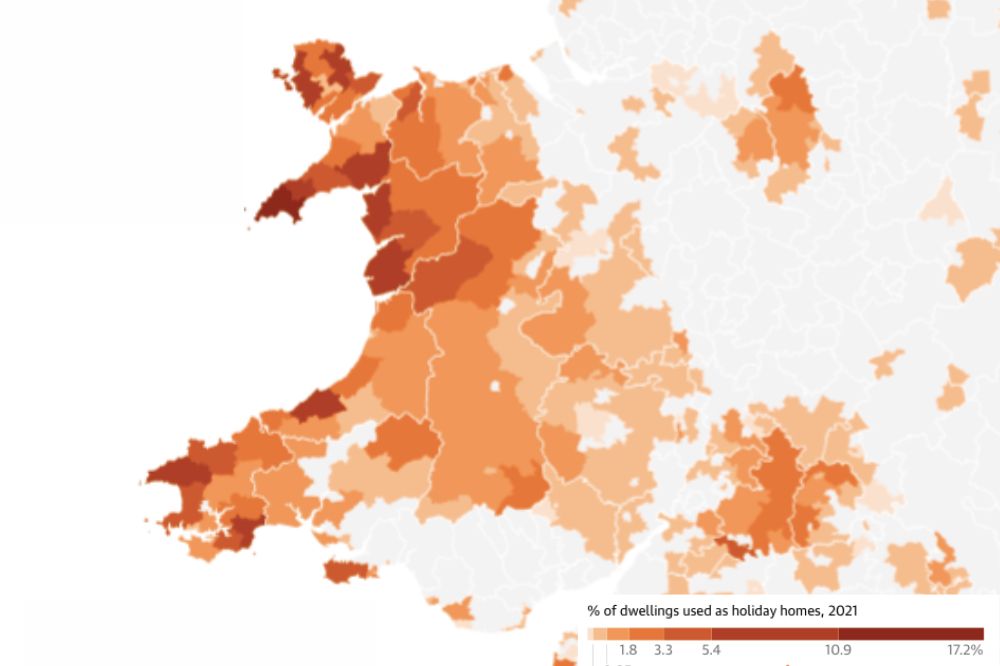
The underlying goal is to ensure that second homes and holiday lets contribute more fairly to the areas they affect.
At the same time, Wales is considering introducing a tourism tax - a small levy on overnight stays in hotels and other accommodations.
This would help fund local services and infrastructure used by visitors. Together, these policies reflect a broader effort to balance the needs of year-round residents with those of visitors and second homeowners.
Despite the measured nature of these policies, they have provoked significant backlash.
Critics of the council tax premium argue that second homeowners inject disposable income into local businesses, while opponents of a tourism tax claim it risks discouraging visitors.
But these arguments obscure how second homes and tourism bring costs as well as benefits. They drive up house prices, reduce housing availability, and strain local services, particularly in rural and Welsh-speaking communities.
Asking those who benefit from these arrangements to contribute more isn’t punitive - it’s pragmatic.
[taboola-banner]
A bleak argument for dependency
Underlying much of this opposition is a strikingly bleak view of Welsh communities: that they cannot survive without the wealth of outsiders.
Opponents of these taxes often imply - correctly - that local economies are entirely reliant on tourists and second-home owners in order to function and survive.
But this argument is as self-defeating as it is short-sighted. Communities should be able to sustain themselves. They should not have to rely on imported or temporary wealth to fund basic services or remain viable.
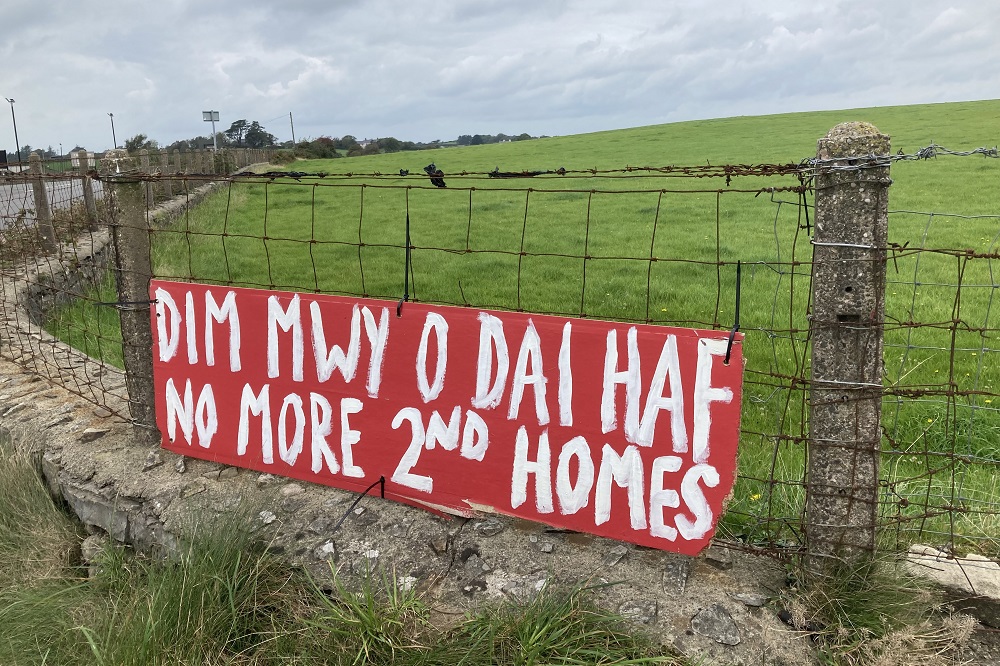
Policies like the council tax premium and the tourism tax are tools to ensure that communities retain control over their futures and benefit more directly from the economic activity they support.
Framing these measures as hostile or unfair simply avoids the uncomfortable truth that many rural and Welsh-speaking areas are already being hollowed out by unchecked second-home ownership and short-term lets.
So much for the benefits tourism and second-home owners apparently bring.
Confected Outrage
What’s remarkable is how much energy is spent opposing these measures compared to other property taxes that affect a far greater number of people.
In Wales, first-time buyers like myself pay the Land Transaction Tax (LTT), which replaced stamp duty in 2018.
Unlike in England, Wales offers no exemption for first-time buyers, meaning we pay the same rates as anyone else purchasing a property.
To put this into perspective, when I recently bought my first home in Cardiff, I had to pay several thousand pounds in tax.
Had I done the same in Cambridge, where I lived before returning to Wales, I wouldn’t have paid a penny on the glorified cupboard I could have afforded to buy there.
Yet, there is no media outrage about this tax, no letters to the editor lamenting the plight of first-time buyers in Wales. Nor do I think there should be.
If I am lucky enough to be able to buy a property, it’s absolutely right that I pay my fair share. Just as I should pay this tax to fund vital public services, it is only reasonable to ask more of those with second homes, or properties generating income through holiday lets.
The absence of debate about people buying their first home compared to the noise around those with the luxury of owning multiple homes reveals just how skewed this debate really is.
The bigger picture: Building resilient communities
The Welsh government’s approach to property taxes and tourism reflects an effort to address structural inequalities and strengthen local communities.
Far from being anti-tourist or anti-investment, these measures are about creating fairer, more balanced relationships between those who live in Wales full-time and those who benefit from its resources part-time.
Ultimately, the question isn’t whether tourism or second homes are “good” or “bad” - it’s whether the economic activity they generate benefits the communities they rely on, rather than undermining them.

Tourism should not come at the expense of housing affordability, and second homes should not hollow out communities. These are not unreasonable expectations.
Any outrage may be more justified in relation to the harm many communities have already sustained via ill-judged approaches to property and taxation in the past, to the extent that any threat to the tourist pound is seen as an existential challenge today.
Paying fairly for a stronger Wales
Instead of fighting over straw men, we need to channel protective anger for those people and places that we love into mutually-beneficial policies for a fairer future.
Wales faces significant challenges in creating affordable housing, sustaining its language and culture, and funding its public services.
Policies like council tax premiums, tourism taxes, and tighter regulations on holiday lets are not about punishing outsiders; they’re about ensuring that Welsh communities remain liveable for the people who call them home.
Communities deserve the chance to be self-sustaining and resilient.
If I, as a first-time buyer, can pay my fair share to support public services, it’s only reasonable to expect the same of second homeowners and tourists.
Rather than seeing these measures as hostile, we should embrace them as a necessary part of building a fairer and stronger Wales.
James Downs is a mental health campaigner, researcher, psychological therapist and expert by experience in eating disorders.
He lives in Cardiff and can be contacted at @jamesldowns on X, Bluesky and Instagram, or via his website: jamesdowns.co.uk
Support our Nation today
For the price of a cup of coffee a month you can help us create an independent, not-for-profit, national news service for the people of Wales, by the people of Wales.
Get more trusted Welsh news
Choose Nation.Cymru as a preferred source in Google News to see more of our journalism.
