


Opinion
Mick Lynch is right on energy prices: enough is enough
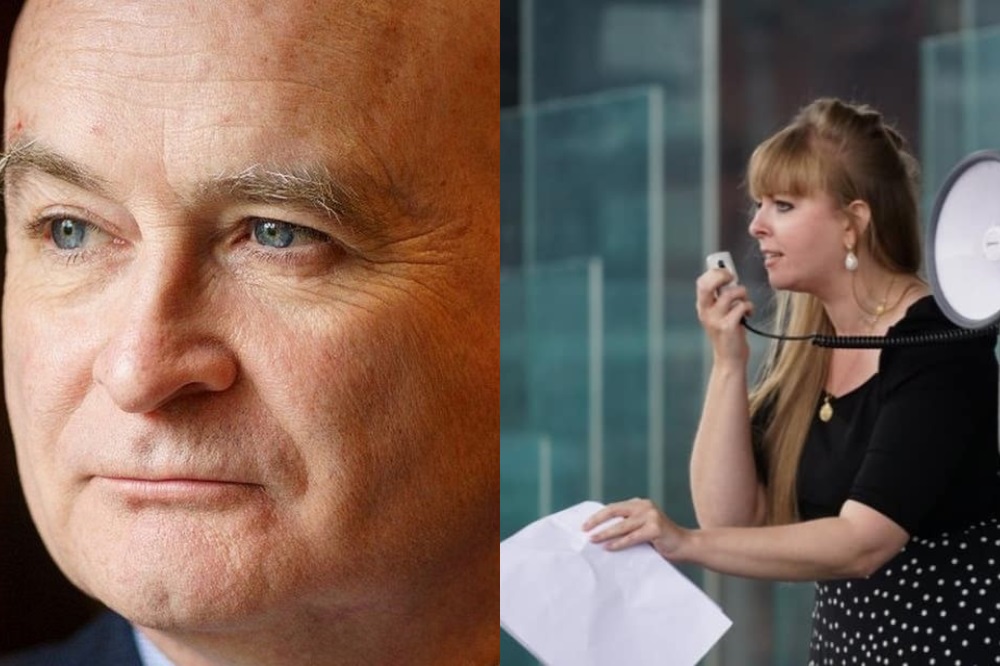
Delyth Jewell
The UK energy market is a failed experiment, and we can no longer afford to live with the consequences of that failure. Nothing short of fundamental and radical reform, based on public ownership, will ameliorate the crisis that’s looming over the coming winter months, and help save millions of people from abject suffering.
It is frankly appalling that reform of this kind hasn’t come before now – but that’s because, for decades, the vested interests of shareholders have been allowed to trump the needs of millions of consumers in the UK, which is not the case in other states.
Let’s talk honestly here: this energy market has always been a con. The gas we all get pumped into our houses is never handled by energy companies, and nor can individual companies choose to improve the gas they sell to their consumers to make their gas run more efficiently, or glow in the dark, or sing you a tune, or do anything that would justify charging people varying amounts of money for exactly the same product.
Yet somehow, we’ve all been sold the lie that it’s necessary for different households to be charged different rates for that selfsame, identical gas - simply so that rich shareholders can make additional billions of pounds. It is an iniquity beyond all common sense.
[mid-content-banner]
Profit
The market revolves around keeping companies in profit, not ensuring that the people who need this energy to stay alive are able to afford it.
That is why it's high time we accepted that the concept of profit has no place in domestic energy supply.
It's a conclusion which the Thatcherites in the Tory party are singularly incapable of reaching, bound in knots as they are by their self-imposed dogmas.
I'm too young to remember the nationalised energy suppliers, but many of you as readers will remember those days: it's almost impossible to imagine now, but the basis of nationalised supply was that energy was supplied at cost.
It was not run for profit, and any income over and above operating costs was reinvested in the system - which was owned by all of us, not by anonymous shareholders.
It's a far cry from the hellish situation in which we find ourselves, in which the spectre of a dystopian winter begins to clutch at our consciousness even in the middle of an August heatwave.
A coming winter where people's odds of surviving (remember, we talk about the cost of living ) will depend on how much money we each have.
So what needs to happen now? In the short term, we need to return the price cap to levels seen before April (that is, £1,277 per year), an idea put forward recently by the RMT’s Mick Lynch, as part of his Enough is Enough initiative.
Suffering
We could do this by extending and backdating the windfall tax to cover all excess profits made by energy companies: they've done nothing to earn this excess money, and it is patently wrong that they've benefited at a time when so many ordinary people are suffering.
If necessary, this windfall tax could be extended to other privatised utility owners to cover the cost. Quite simply, it is billionaires who should pay for the increase in energy cost, not ordinary people who are already struggling because of inflation.
And while the cost of living crisis continues (again, let's not allow ourselves to get too blasé and used to that concept - we're talking about the cost of living, of surviving), we need other major reforms: why not introduce free public transport (with its associated climate benefits) to help people with costs incurred through high inflation, and why shouldn't consideration be given to ideas such as suspending council tax payments for three months for houses in bands A-D?
During earlier stages of the pandemic, the Treasury was willing (and right) to bring in radical state intervention through the furlough scheme. Why on earth shouldn't government funds be used to help people stay alive now?
Fuel poverty
In the medium term, our nation is desperate for greater energy efficiency. We in Wales are an energy-rich nation, but record numbers of households live in fuel poverty.
Every home in Wales should be offered an energy efficiency assessment and a payment plan based on income, over the next five years.
Further, legislation should be passed incorporating public benefit duties for privatised utility companies, forcing them to prioritise consumer welfare over profits (it's an idea put forward by others like Will Hutton, and surely deserves attention).
And alongside a significant and desperately essential increase in renewable energy production, the entire energy industry in the UK quite simply has to be nationalised. We should not fear that word. Nor should we shy away from responding to this crisis with an urgency that is curiously and maddeningly lacking from both the main Westminster parties.
And this is before we even talk about the fact that Wales is the fifth largest electricity exporter in the world. The electricity was generated here, it left Wales, and we were left with nothing for it. An independent Wales would be paid for these exports: but that's another story for another column entirely.
These ideas I put forward may be baulked at by those for whom ideology trumps common decency. To those (mainly Tories) who oppose the idea, I'd pose this question: your energy market has failed us abysmally. What possible reason can you still have for supporting this busted charade?
Delyth Jewell MS, is Plaid Cymru’s Climate Change and Energy Spokesperson
Support our Nation today
For the price of a cup of coffee a month you can help us create an independent, not-for-profit, national news service for the people of Wales, by the people of Wales.
Get more trusted Welsh news
Choose Nation.Cymru as a preferred source in Google News to see more of our journalism.
