


Opinion
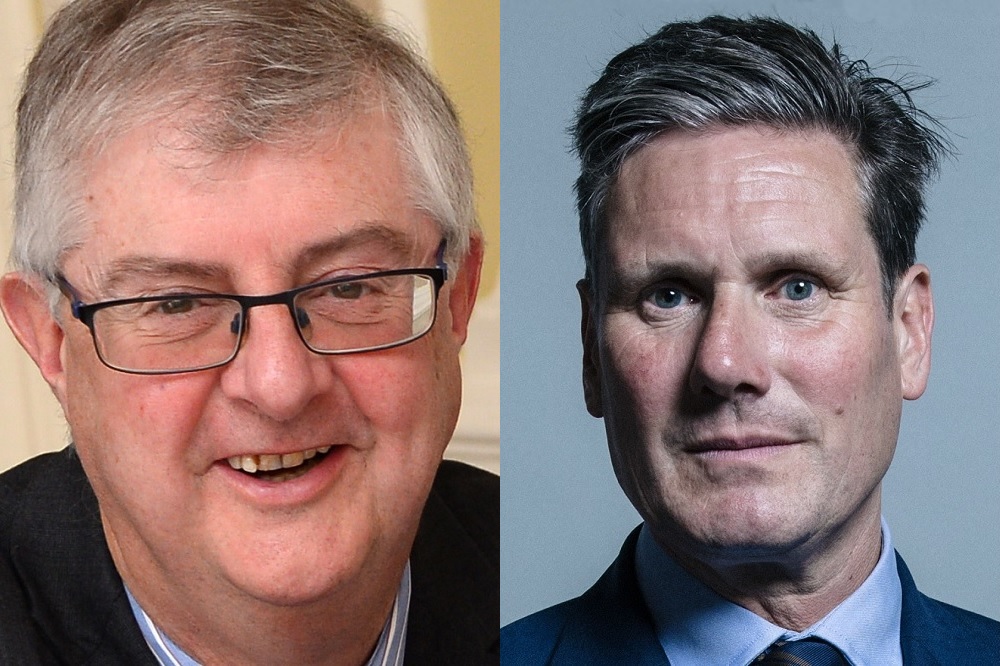
Keir Starmer needs to take a leaf out of Mark Drakeford’s book if he wants to become Prime Minister
Keith Darlington
The Labour Party Conference begins on September 24th with a small spring in their step following the single-figure leads that they have in the latest opinion polls. But given that this Tory government has been in power for 12 years and presided over a dysfunctional energy market, the evils of inflation, and the chaos caused by the aftermath of Brexit - those leads seem very small and suggest something is not going right for Starmer.
Furthermore, as previous Labour leaders will know, like Neil Kinnock and Ed Miliband, opinion poll leads of over 20 points count for little if you cannot win General Elections. Starmer’s poll leads seem particularly fragile because his public perception is poor according to the eminent psephologist John Curtice.
Sir Keir is not cutting it with many voters because they don’t know what he stands for and lacks purpose and direction.
As I show in this article, he needs to find the same clarity of purpose as Mark Drakeford has, otherwise, he may be destined to the same fate as his three Labour leader predecessors.
Public perception
Starmer has been the leader of the opposition for about two and half years. In fairness to him, he took over at a difficult time during the first pandemic lockdown. Yet, few voters know what he stands for and he scores meagre ratings as a leader.
Before Truss was elected leader, Starmer rightly focussed much of his brief on attacking the character and behaviour of Johnson. His legal skills served him well in Parliamentary debates that helped to force Boris Johnson’s resignation. He demonstrated his qualities of honesty and integrity in by promising to resign if found guilty of breaking the rules at a Party event and was subsequently exonerated by the investigating Police force. But honesty and integrity are insufficient qualities for becoming PM.
Even being seen by the voters as boring and uncharismatic would not matter if, as Clem Attlee proved in the first post-war government, he had a clear vision and purpose of where he wanted to take Labour. But he has failed to present a cohesive message other than to say that he wants to see Labour as a Centre party.
Being a Blairite tribute act is hardly likely to work again because the world is now facing a very different set of problems to those in 1997 when Blair came to power. Blair had a clear direction of travel and was more than vague platitudes and ambiguity. Starmer needs to develop a clear, unambiguous purpose quickly otherwise, he will struggle to turn around negative public perceptions.
It's notable that the new PM Truss is presenting a very different image to her predecessor in defining the battle lines for the next election.
[mid-content-banner]
Growth, growth, growth
Both main party leaders have stated that growth is an important part of their economic policy. But there the similarities end. The new PM Truss said yesterday that she wants growth and will get it by cutting taxes even if it makes her unpopular. This rush to Thatcherite “trickle-down economics” has been tried and failed miserably before – which is largely why the country is in the mess it is today.
But unlike Truss, Starmer has not given any indication of where growth in the economy will come from. For example, he made a speech in Liverpool on July 22nd calling for “Growth, growth, and growth”. Yet, when questioned on the BBC Radio 4 Today Programme the following day, he refused to say how he would get it.
When asked by Nick Robinson whether he would rule out tax cuts or whether he would use tax increases, he refused to say. He wasn’t only ruling out giving details, something that politicians refuse to do before general elections, but more worrying was that he was refusing to give a direction of travel.
This is not the only issue on which Starmer refuses to explicate a direction of travel. For example, on many of the main issues of concern to voters – strikes, dealing with inflation, Brexit and climate change – he has had little to say and tries to silence others in his party from commenting on difficult issues.
The sound of silence
Starmer has been fiercely criticised in recent months for quashing dissent in his party at all levels. For example, in May he considered expelling Labour members who criticised NATO.
On Brexit, he instructed MPs that they were not to talk about it. Yet millions of travellers had their holidays ruined because of Brexit-related problems at the airports and shipping ports but Labour, like the Tories, did not want to talk about Brexit being a cause so the travel chaos was largely ignored by the main parties.
On strikes, Starmer has made many enemies in the party by telling MPs and Shadow Cabinet members that they are not to join picket lines. This has infuriated many prominent members in the Labour movement including Sharon Graham, leader of the Unite Union who told Starmer to “get a spine and stick up for workers”. Some Labour MPs disobeyed Starmer including one of his own Shadow Ministers Lisa Nandy.
More recently, during the 10 days of mourning the Queen's death, he instructed MPs not to talk about any other matters during the period of mourning. He also said that even peaceful protests shouldn’t be tolerated during the period. By contrast, Mark Drakeford was quite relaxed about allowing a small group of peaceful republican supporters during King Charles' visit to Wales on September 15th.
Embrace change
On other matters, like electoral reform, Starmer has surprised many by ruling out working with other parties and embracing electoral reform. At the Labour Conference of 2021, there were over 80% of party constituencies who supported abolishing the First Past the Post (FPTP) system. Starmer and the NEC voted it down. Yet, during his leadership campaign, he stated that he thought the FPTP system failed many voters and appeared to support electoral reform.
Again, this is very different from how Mark Drakeford has shown a willingness to work with other parties, like Plaid Cymru, and embrace change in electoral reform – even when it may not bring any advantages to his party.
Voters knew what to expect from Corbyn and Blair even though they represented very different strands of Labour. Not so with Starmer. In the past, all the talk about new leaders is whether they move left or right. Where Starmer really stands is puzzling – particularly since he reneged on the 10 pledges he made during his leadership election campaign.
But that may not matter if in such difficult times the leader he had the confidence and clarity to tell us what type of country he wants Britain to become and how he will take us there. To date, he has failed to do so but it’s not too late. Timidity and evasion might leave voters seeing Labour as irrelevant.
Starmer might think he can sit back and wait for the Tories to lose. And with a leader like Truss – who is also making a poor impression with voters – that may be a tempting strategy. It could happen.
But as much as I want to see the Tories removed from power at the next General Election, it's hard to see that Labour would have done anything to deserve power.
Support our Nation today
For the price of a cup of coffee a month you can help us create an independent, not-for-profit, national news service for the people of Wales, by the people of Wales.
Get more trusted Welsh news
Choose Nation.Cymru as a preferred source in Google News to see more of our journalism.
