


Opinion
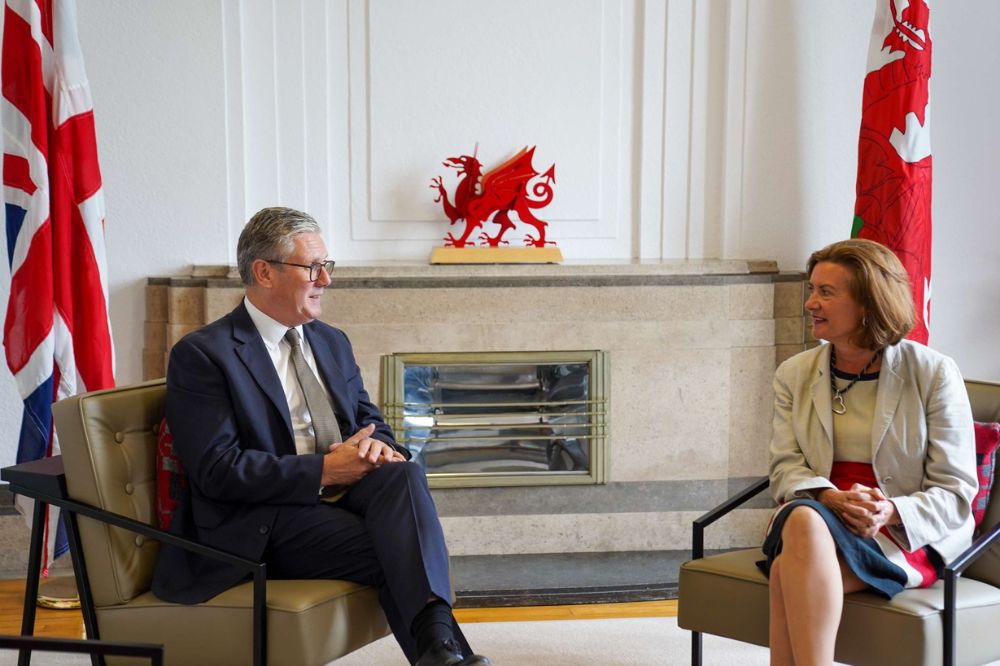
Keir Starmer: Accidental landlord of Welsh Labour’s future
Frank Morgan
Over the past 26 years, Welsh Labour has enjoyed a relatively placid relationship with the Welsh electorate—garnering little enthusiasm but securing six successive election victories. This has led to a sense of inevitability surrounding Senedd elections.
However, 2026 promises to be no such walk in the park.
A newfound Welsh zeal for Reform UK, coupled with a revitalised Plaid Cymru led by the charismatic Rhun ap Iorwerth—and set against the backdrop of a struggling UK Labour government—has resulted in Eluned Morgan’s Welsh Labour polling below 30%, their lowest in decades.
A key reason for Labour’s success in Wales during the 2024 General Election was the promise that having Labour in power at both the Senedd and Westminster would deliver real benefits for the people of Wales.
Such benefits have yet to materialise—and the Welsh public has taken notice.
[mid-content-banner]
Keir Starmer has repeatedly made the arguably reasonable case that his government must take difficult and, at times, unpopular decisions early on. In an interview with the BBC’s Chris Mason, he emphasised that he is focused on long-term policymaking rather than short-term popularity— pointing out that his government won’t face the electorate again until 2029.
But a consequence of this long-term approach is that Eluned Morgan could find herself out of a job by next summer, when Welsh Labour is once again forced to face the electorate.
While Starmer and Labour HQ may argue that meaningful change takes time and urge the British public to be patient, Welsh Labour doesn't have that luxury. Without bold, decisive action from Downing Street, their chances of forming another Welsh Government after 2026 grow increasingly slim.
One only has to watch First Minister’s Questions on a Tuesday to see the uncomfortable spectacle of Eluned Morgan repeatedly dodging Rhun ap Iorwerth’s questions—questions that concern matters beyond her remit and sit squarely with Starmer.
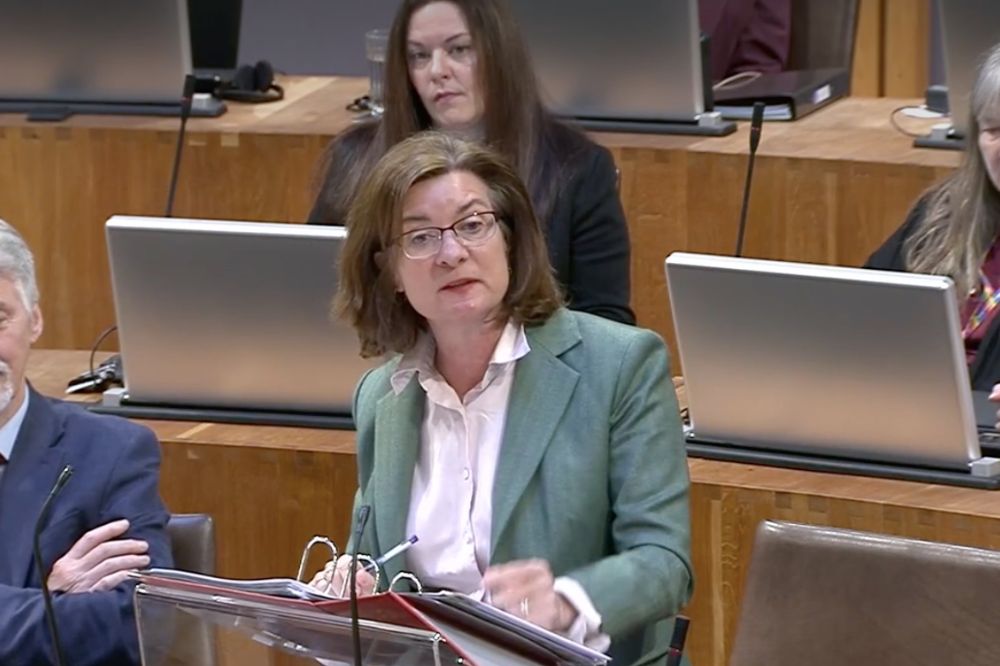
Watching Morgan’s grilling, it’s hard not to feel sympathy for the First Minister, who has clearly been left to fend for herself by her colleagues in Downing Street. They’ve failed to take meaningful steps to demonstrate to the Welsh public the benefits of having a Labour government in Westminster and the Senedd.
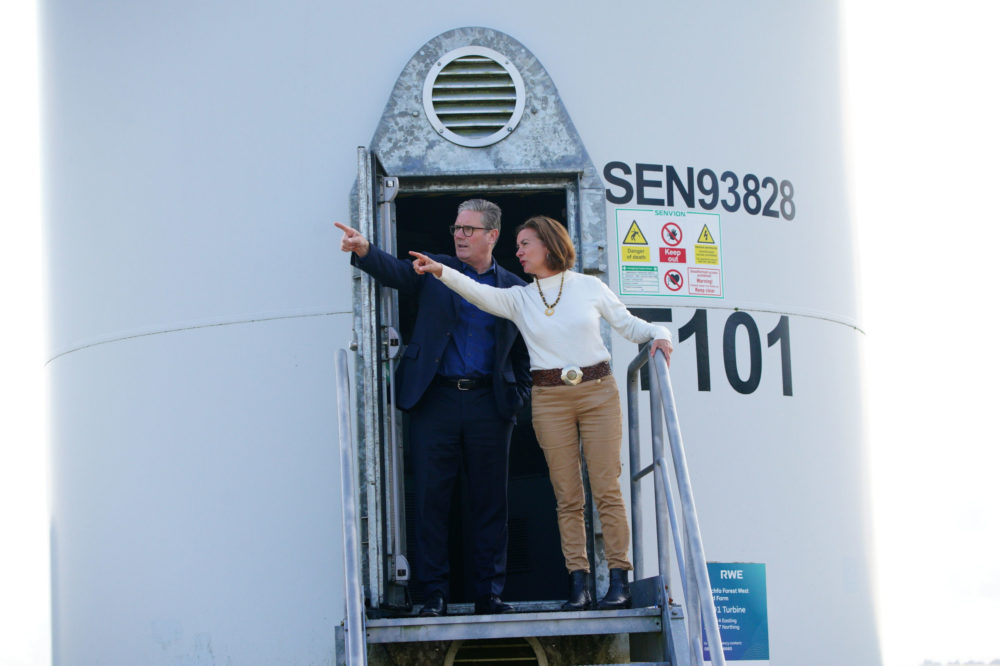
Welsh Labour’s only real hope in the next Senedd election is being able to present themselves as a productive partner to the UK Labour government—offering a long-term, positive vision for Wales. This vision can only be realised if Morgan is seen to be working closely with Starmer on behalf of the Welsh public.
Such a vision will only be taken seriously by the electorate, however, if Starmer were to take concrete action to address the long-standing grievances many in Wales feel toward successive British governments, and their treatment of this country.
Of course, some voters may not share those grievances. But as a party long considered to the left of UK Labour—at least since Blair—Welsh Labour will struggle to win back voters who’ve turned to Reform. That leaves them with the difficult task of regaining support from disillusioned, left-leaning voters who do feel those grievances acutely.
The so-called Great Welsh Train Robbery has been a matter of great bitterness in Welsh politics for years, with an already struggling Welsh transport service deprived of £4 billion in consequential payments due to the misclassification of HS2 by David Cameron’s government as an "England and Wales" project.
Steps taken by Downing Street to rectify such an injustice would offer Welsh Labour a clear political win—highlighting the value of having two Labour governments and blunting Plaid Cymru’s attacks.

Another potential win Starmer could offer Welsh Labour ahead of the 2026 election would be recognising the failings of the controversial Barnett Formula and committing to replacing it with a needs-based funding model, as proposed by Plaid Cymru.
Such reform would be complex and would likely take over a year, but even a public acknowledgment of the formula’s shortcomings—and a promise to explore a fairer alternative— would strengthen Welsh Labour’s hand and reassure voters that Morgan can stand up to Starmer on their behalf.
A third opportunity lies in the devolution of the Crown Estate in Wales, valued at nearly £1 billion.
[lower-mid-content-banner]
If Wales were to follow Scotland’s lead in receiving a share, the tangible benefits to Welsh communities would be significant. It would also provide Welsh Labour with another political football to kick ahead of the election and help position themselves as the only party capable of negotiating favourable deals with Westminster.
Therefore, if Eluned Morgan is to have any hope of emerging victorious in May next year, Starmer must at least show some genuine concern for the future of Welsh devolution and offer a plan for the future of Welsh industry and public services—rather than relying on nostalgic references to his holidays in the Gower.
If he fails to do so, it seems Welsh Labour’s long dominance in Wales could very well be coming to an end.
Frank Morgan is a student of Politics and Economics who has been actively involved with Welsh Labour in the past
Support our Nation today
For the price of a cup of coffee a month you can help us create an independent, not-for-profit, national news service for the people of Wales, by the people of Wales.
Get more trusted Welsh news
Choose Nation.Cymru as a preferred source in Google News to see more of our journalism.
