


Opinion
Grit and determination: the Welsh Government is in the fight of its life for 20-mph
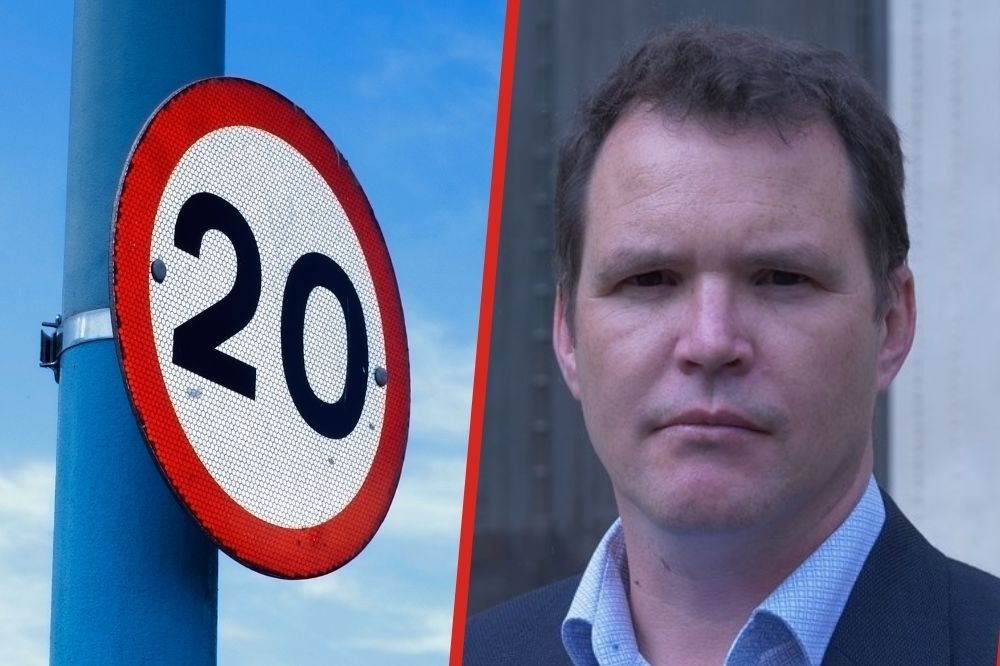
Chris Carter
On the 17th of September, the streets of Wales will see their biggest change since the introduction of the motor car. The speed limit on restricted roads will default to 20-mph, the beginning of the end of a significant policy and legislative headache for the Welsh Labour government in Cardiff.
Numbers on signposts will change after the most testing period for the Welsh Government since COVID-19. Opposition has been stark, one recent opinion poll showed two-thirds of the Welsh public opposed to its introduction. Despite an original poll showing high levels of public support for the introduction.
What had initially started with a great deal of public support also had cross-party support, a popular idea, to be implemented with little controversy, or so it seemed. As the 17th of September approached, support has quickly dropped as the reality of the change became apparent.
Cross-party support in the Senedd fell away as the Welsh Conservatives quickly backtracked and joined the chorus of naysayers. Labelling the change as a “blanket” introduction and even attempting to force a vote on the matter on the eve of its introduction.
[mid-content-banner]
Resolve in the face of shifting opinion
Yet, the Welsh Government, with its reasoning clear and resolve unshaken have continued to push ahead. 14,000 fewer casualties. £1.5bn saved for the NHS, not to mention pain and suffering caused by road injuries and deaths.
Pedestrians are five times more likely to survive when hit at 20-mph compared to 30-mph. 80% of child deaths on the road occur away from schools with 20mph limits already in place.
In the final week before the speed limit’s introduction, the Labour Party has gone on the offensive. Pushing the line hard on road safety, statistics appearing from TV and radio, print and of course in the Senedd itself at First Ministers questions on Wednesday.
One person embodying this determination most of all has been the Minister responsible for introducing the 20-mph limit, Lee Waters, who even went so far as to say in an interview he was happy to lose his highly marginal Llanelli seat over the issue.
Drawing parallels with the smoking ban, which faced its own share of criticism in 2007 at the time of its introduction. He argued the ban changed our coffee shops, restaurants and pubs for the better. As will our roads.
The fact remains, lower speeds on roads save lives but political challenges have begun to mount. The Welsh Government now has rock bottom approval ratings of -21% on Transport as a policy area.

The UK now looks to Wales
The national political arena is never devoid of strategies and counter-strategies either. Nationally, the Conservatives are attempting to paint a picture of Labour as anti-motorist. The expansion of the Ultra Low Emissions Zone (ULEZ) in London and the 20-mph limit are being used freely as tools to build this narrative.
In the wake of Labour's defeat at the Uxbridge and South Ruislip by election, this framing seems to be one of the few political punches the Conservatives have managed to land in the past year, following Liz Truss’s chaotic and short-lived administration. It stands to reason why the matter has been pushed hard by Welsh Conservatives on one of the few political openings they have.
Drakeford’s Swan Song
Mark Drakeford will also stand down at the next Senedd election. Having steered Wales through the tumultuous period of COVID and the Cost-of-Living crisis. He has led the circling of wagons over the last two weeks in the press and in Cardiff Bay around beleaguered colleagues. Even quoting Conservative Senedd Members own words back at them over the limit.
The introduction of the 20-mph limit could very well be his swan song, his final piece of major legislation before the baton of leadership is passed on.
If the policy achieves its goal of reducing injuries and deaths, it will stand as a proud legacy for Drakeford, even if it may not seem it right now. A testament to resolve in the face of adversity, even his strongest detractors will eventually have to admit, if the policy succeeds as planned, and as many trials have shown.
Whichever way you look at it, the Welsh Government’s grit and determination in getting this controversial policy over the line has been commendable. It is one from which we all stand to benefit. Perhaps even something we look back on and wonder what all the fuss was about.
Chris Carter is a Transport and Infrastructure Research Specialist, he writes in a personal capacity and Tweets at @CarterRoutes
Support our Nation today
For the price of a cup of coffee a month you can help us create an independent, not-for-profit, national news service for the people of Wales, by the people of Wales.
Get more trusted Welsh news
Choose Nation.Cymru as a preferred source in Google News to see more of our journalism.
