


Opinion
From Cardiff to Wrexham, Wales' housing plans are fundamentally flawed - let’s give our communities a voice
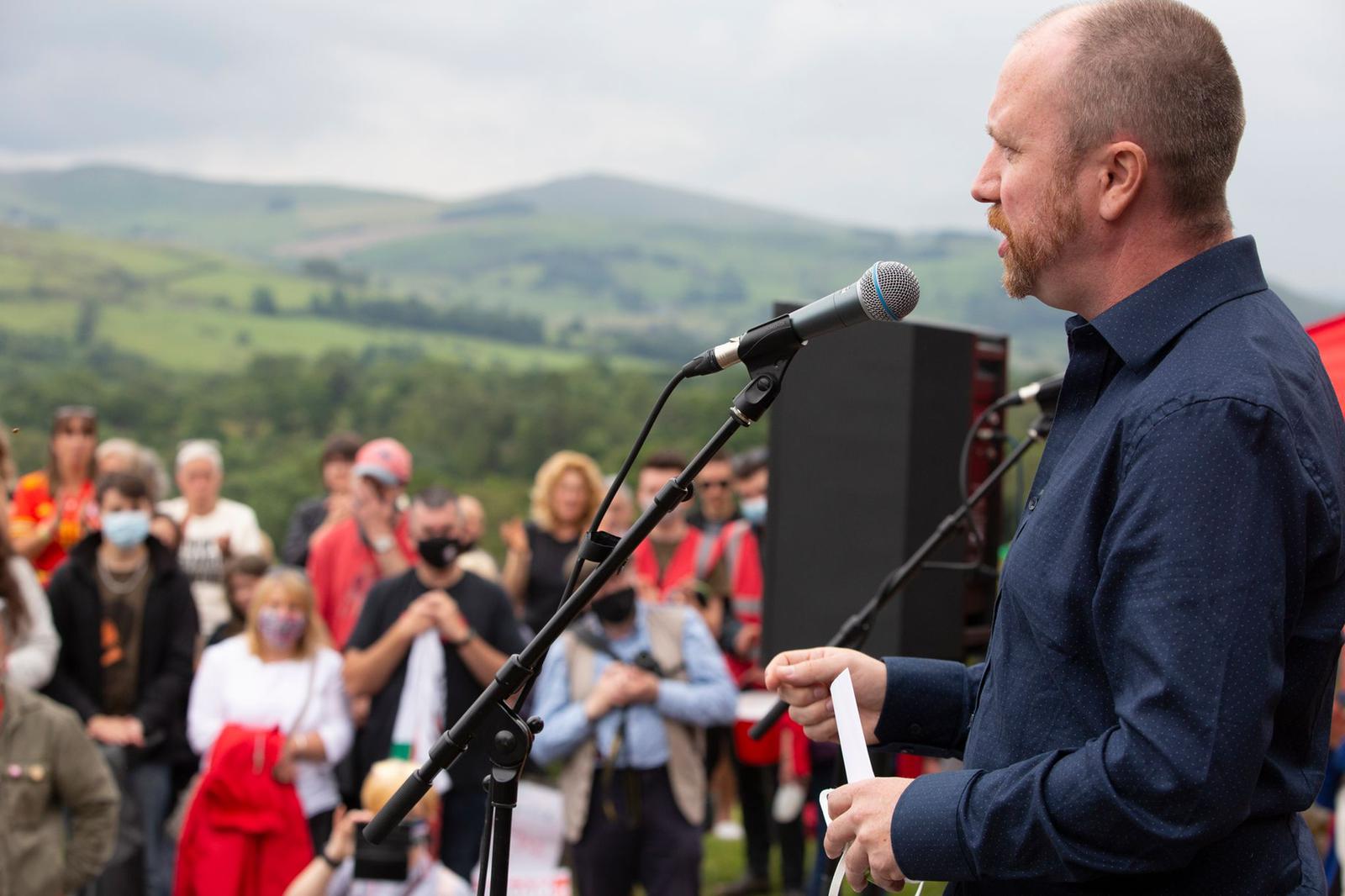
Mabon ap Gwynfor, Member of the Senedd for Dwyfor Meirionnydd
When discussing the housing crisis facing our communities the simplistic go-to answer is to build more houses. But simplistic answers like this are invariably never the right answer. The issues are far more complex, and it doesn’t consider community need nor importantly planning, and whether it complies with the Council’s LDP.
LDPs (Local Development Plan) are the way Welsh councils decide what land is allocated for which purposes - housing, leisure, industry and retail. They typically last 15 years with four-yearly reviews.
The most contentious area of any LDP is usually housing allocations. To highlight the problems caused by these unwieldy plans, I'm looking at two very different authorities at either end of the country.
In Cardiff, the LDP has led to the development of huge swathes of green-barrier land to the north of the city while also seeing a concrete jungle of tower blocks being permitted in the city centre and down towards the Bay. Both have been condemned for their lack of character and soulless lack of community.
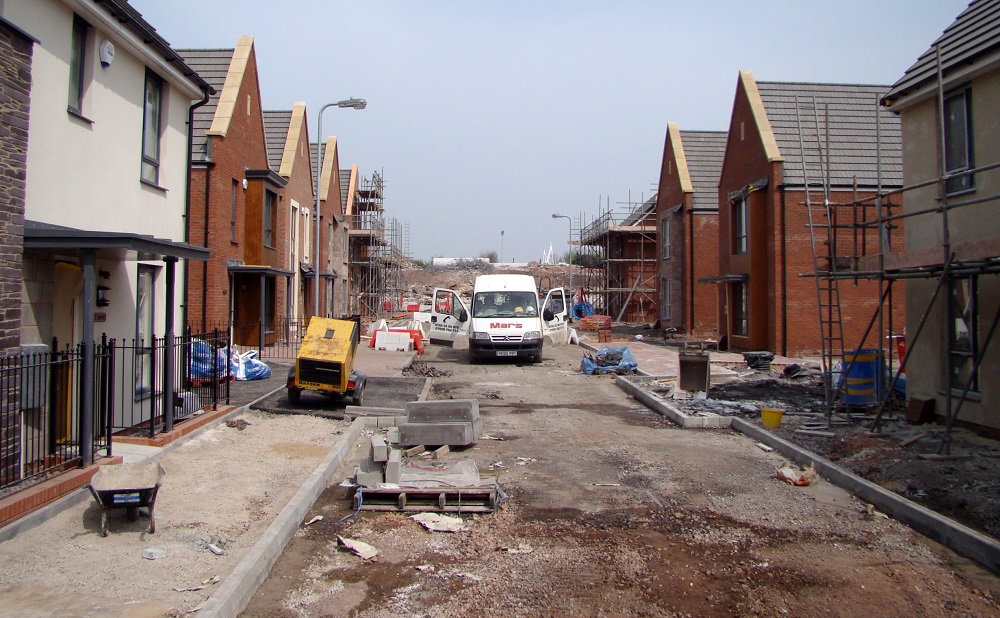
In Wrexham, where the council's initial LDP was rejected, there is an ongoing battle against a second version that would see land for two new 'villages' of 1600 houses apiece being allocated on prime agricultural land on either side of the town.
The initial plan was rejected in 2013 because the Welsh Government decided there was an insufficient housing allocation of 7,700 to meet housing needs. Instead, it demanded that the council start LDP2 with an allocation of up to 13,000 - since scaled back for reasons that will become evident.
So how is this need determined? On what basis does Welsh Government decide that local authorities need to provide land for X number of houses?
In simple terms, it's decided on the basis of population projections drawn up by civil servants in the Wales Subnational Projections (WaSP) group. This group decided in 2015 that Cardiff's population would rise by 30% in 2035 and we'd better start preparing for it now. Similarly, Wrexham's population would rise by 22% during the same period.
[mid-content-banner]
Flawed
The basis for these dramatic rises were largely historic - both Cardiff and Wrexham had seen rapid growth in the first decade of the 21st Century.
In Cardiff's case, the redevelopment of the docks area opened up a swathe of land close to the city centre and the city was sucking in population from the Valleys.
Wrexham's growth saw 1,000 new houses built a year for a short time in 2005-6 - largely due to demand from Glyndwr University being created, the arrival of many EU workers after Blair's decision to admit Accession State citizens, and neighbouring Cheshire Council's reluctance to build on greenbelt land surrounding Chester.
To base future growth on past growth - especially when so specific - seems fundamentally flawed. Yet this is what the Welsh Government insisted local councils did when it came to allocating land for housing.
But the facts present a different picture.
Wrexham's population, far from growing dramatically year on year, has stagnated and even fallen slightly over the past five years. The same WaSP group by 2018 (yes, five years ago) had changed its tune and was quietly predicting that the county borough's population would fall by 2028.
The LDP's targets were also scaled back from 13,000 to 8,500 but still incorporate the two new villages on greenfields and the council has already seen large-scale estates built on green fields along the A483 corridor to create urban sprawl.
Cardiff's 2018 projections for the future decade are for a modest increase - nowhere approaching the 30% first cited. Yet Cardiff's Labour Council has ploughed ahead - quite literally - with developing the green-field sites at Plasdwr. This is bizarrely described as a 'garden city' in the developer's literature.
The most recent Welsh Government projections anticipate that Cardiff’s population will grow by 0.6% per annum. However, the three options provided by Cardiff Council in their replacement Local Development Plan are all growth options and vastly higher than the Welsh Government’s projections. The first option provides 19,000 new homes based on a growth of 0.8% per annum, the second option providing 24,000 new homes based on a growth 1% per annum and the third option providing an astonishing 30,5000 new homes, based on an even more astonishing growth of 1.3% per annum, more than double the Welsh Government’s projections.
Wrexham's LDP is still currently with the Planning Inspectorate but is likely to go for final approval with the council later this year. Given the falling population - which WaSP foresees continuing until 2043 - it's hard to see any justification for the large-scale housing schemes proposed. This is particularly the case given that the proportion of 'affordable' housing has been slashed in half to just 500 of the 8,500 allocations.
Ignored
What's frustrating for campaigners in both areas is that they were challenging the basis for this drastic housing growth a decade ago. The organic development of communities is to be welcomed and changes in households (with smaller units) mean that we do need more housing to be built. However, these are developer-led communities rather than community-led developments. And this is the fundamental issue.
Consultations were clear that communities wanted to see development on brownfield sites, but these were ignored. Consequently, communities feel alienated from the democratic process and cynical about the planning system.
We need to redress the balance in how development takes place. It must start with assessing community need and stop being so inflexible - a 15-year plan has failed to account for Brexit and the effective end of EU migration, the Ukraine war and the growing need for agricultural land, the climate emergency and the needs of an ageing population.
LDPs are not fit for purpose - we need Community Development Plans that protect green spaces and build for need not greed.
The concept of the Rural Housing Enablers – officers that are employed by Councils or Housing Associations to work with rural communities and help develop a response to their housing needs – should be enhanced for all communities, carrying out an ongoing regular assessment of community needs that feeds into a dynamic development plan.
The sad fact is that many of the new developments across Wales use the feudal practice of leasehold which has been rejected by the rest of the world including Scotland and Ireland.
These developments are being built without amenities. Public transport, schools, shops and even sewage is an afterthought after the houses have been built. Wales is once again under Labour is in the slow lane when it comes to progress.
The planning system and development plans should be a force for good for our communities. They should be there to empower communities and be a forum for their voice, but sadly the opposite is true, and money talks.
This needs to change. Let’s give our communities a voice and respond to their needs.
Support our Nation today
For the price of a cup of coffee a month you can help us create an independent, not-for-profit, national news service for the people of Wales, by the people of Wales.
Get more trusted Welsh news
Choose Nation.Cymru as a preferred source in Google News to see more of our journalism.
