Opinion
English fragility, shame, and the Welsh language debate
James Downs, Mental Health Campaigner
When posts about the Welsh language appear online, they often provoke a strikingly visceral response from English speakers.
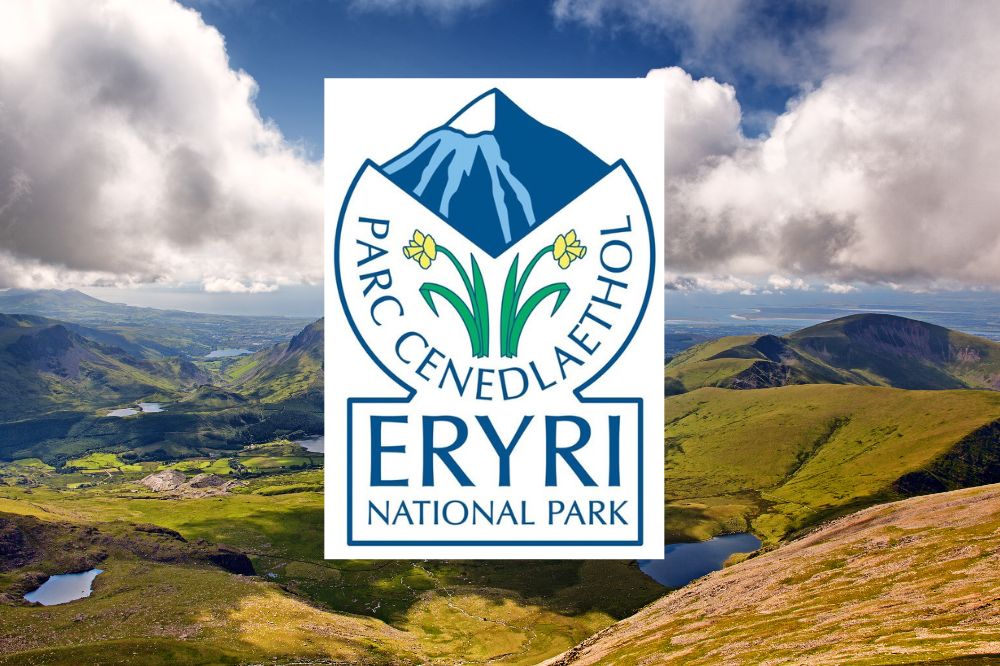
A particularly contentious example is the decision to revert the name of Snowdonia National Park to Eryri, its original Welsh name.
This restoration was met with outcry: “It’s always been called Snowdonia!” some claimed, despite the fact that the English name is a relatively recent imposition.
The rise of social media has amplified these tensions. Posts celebrating Welsh linguistic milestones or calling for more energy to be invested in Welsh language and culture often attract negative comments from English speakers who perceive them as exclusionary.
The reversion of Eryri is emblematic, but there are many other examples, including outrage over the Welsh names for new constituencies in the Senedd.
The story of locals switching to Welsh when English-speaking tourists enter their pub has become folklore in certain circles, reinforcing the stereotype of Welsh speakers as insular or hostile.
Similarly, a recent article for Nation Cymru arguing for Wales to aspire to become a fully bilingual nation, whilst attracting support, has seen a rush of comments on social media platform X decrying the idea as “self destructive”, “out of touch”, “dystopian”, and “close to fascism”.
The reasoning? That “there is no demand for this”, and that supporting Welsh is “wasting money on a dead language”.
[mid-content-banner]
The Emergence of ‘English Fragility’
As a psychological therapist, I have been trying to work out for some time what these reactions - which make so little sense to me - are really about.
I’m not claiming to have it all worked out, but the kind of backlash we see against Welsh online reflects a broader phenomenon I term ‘English fragility’ - a defensive reaction to the assertion of Welsh language and culture.
This fragility stems not from genuine exclusion but from discomfort with the idea of relinquishing cultural dominance.
The term draws inspiration from Robin DiAngelo’s concept of ‘white fragility’, which describes the defensive responses of white people when their racial privilege is challenged.
Similarly, English fragility emerges when English speakers, accustomed to the primacy of their language and culture, encounter Welsh linguistic and cultural resurgence.
English fragility today is inextricable from the story of the Welsh language in history.
For centuries, Welsh was systematically suppressed through policies designed to prioritise English. The ‘Welsh Not’, used to punish children for speaking Welsh in schools, and the anglicisation of place names are just two examples of how English dominance was enforced.
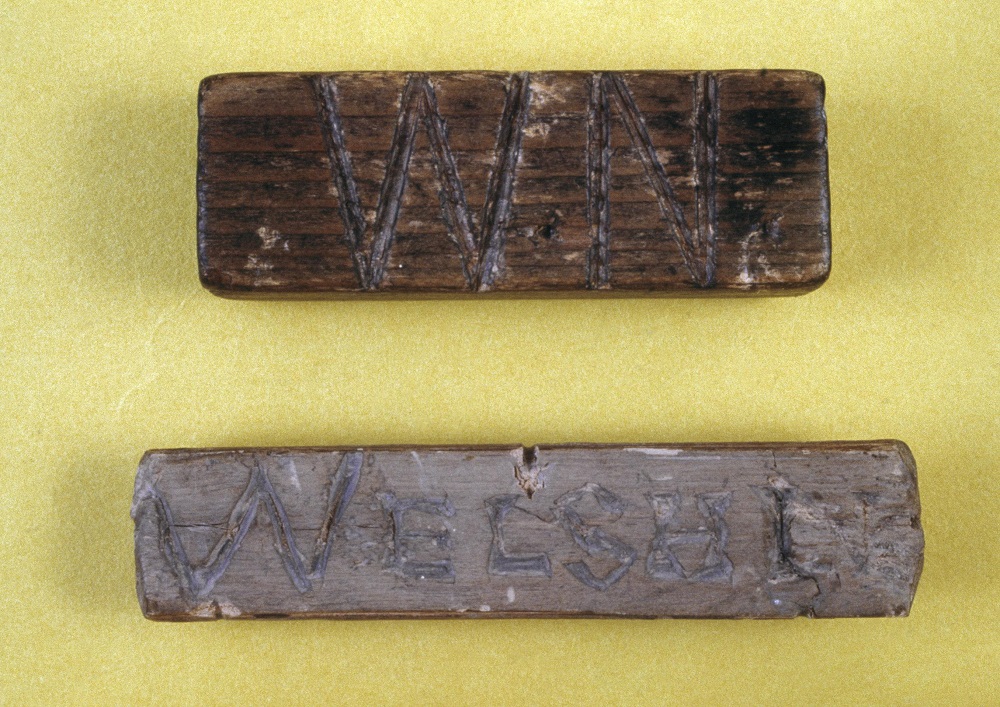
Of course, this history is far more nuanced than I can fully explore here - for that, I’d recommend Professor Martin Johnes’ book, “Welsh Not” which can be read for free online.
But what’s crucial is the enduring power dynamic it created: English became the default language of public life, while Welsh was marginalised.
Today, when Welsh is spoken publicly or given equal prominence - on bilingual signs, in schools, or in national parks - it is seen by some English speakers as an affront to the status quo.
[taboola-banner]
Shame and the Struggle to Speak Welsh
The idea of English fragility may be perceived as inflammatory, but it comes from a reflection on my own experiences rather than pointing the finger of blame at others.
As someone who grew up in Wales, learned Welsh in school, and did well academically in the subject, I cannot confidently speak the language today.
I would love to be able to say I am a Welsh speaker, but I cannot. This reality is a source of personal shame, especially as I know there are many opportunities to learn Welsh as an adult.
I doubt I am alone in being torn between wanting to embrace the Welsh language, and feeling embarrassed or inadequate about my lack of skill and motivation.

Sometimes, I lean towards exaggerating my level of fluency, reluctant to admit the extent of my struggle.
At other times, I might pretend I know no Welsh at all, because that is easier than facing the hidden layer of shame and defensiveness I have about how I haven’t fulfilled my longing to embrace Welsh, despite how important my Welsh identity is to me.
The broader cultural and historical forces that can make the Welsh language and culture feel secondary or unimportant, even within Wales, only reinforce this kind of ambivalence and inaction.
Am I alone with these feelings of shame and avoidance? Or do we just not want to talk about them?
Challenging the Narrative
Whilst systemic changes (such as increasing Welsh-medium education) will help extend a sense of belonging to Welsh cultural identity for future generations, it is not lack of opportunity that holds people back from learning Welsh today.
Rather, English fragility and the narratives that underpin it act as suppressive forces which limit the potential for a more expansive sense of who can be included in the Welsh story.
Overcoming English fragility requires a willingness to challenge these narratives.
When English speakers react defensively to the use of Welsh, they are often conflating discomfort with exclusion.
A bilingual sign, a Welsh-language tweet, or a restored place name is not an attack on English speakers or Britishness; it is an affirmation of Welsh identity which is so often marginalised in public discourse.
Speaking in Welsh and speaking-up about Welsh is not shouting down English - it is adding richness to our cultural life.

For those of us who are Welsh but not fluent in the language, confronting our own shame and insecurity is just as important.
Rather than avoiding the language out of embarrassment, we can take small steps to reconnect - whether by learning a few phrases, supporting Welsh-language initiatives, or simply celebrating its resilience.
Importantly, the personal shame that may underlie derisive comments about Welsh in online debates will only be entrenched if responses to them are humiliating or escalate division.
It may be more helpful to see the mocking and trolling of Welsh online as coming from a place of insecurity, and insist on always offering a welcome invitation to anyone and everyone to learn Welsh - even if they appear not to want to.
Telling a Positive Story
Ultimately, the Welsh language is not a relic or a niche interest; it is a living, evolving expression of our nation’s identity.
Its resurgence may be seen as a threat to the identity of others, but investment in Welsh is not about excluding or diminishing anyone - English speakers or otherwise.

It is about reclaiming a cultural space that has been systematically diminished over time, that still has a long way to go to extend a sense of belonging to a Welsh language, culture, and identity to all in Wales.
Proponents of Welsh need to avoid getting embroiled in either/or arguments, where funding for Welsh is seen as being ‘taken’ from elsewhere, or learning Welsh is seen as ‘pointless’ compared to other subjects.
Instead, we must always make a positive case for investing in Welsh and celebrate the success story that is the Welsh language revival.
Investment, after all, is something which brings a greater return. Investing in Welsh leads to far greater benefits than the amount it costs: be that greater inclusion in Welsh society and culture, greater ability to learn other languages when you are bilingual, greater access to the gifts of the Welsh arts, and the greater wellbeing and economic opportunities that all of these dimensions can support.
A Welsh Future for All
Both English fragility and Welsh shame are rooted in a complex array of factors tied up with our identities, opportunities, and discomforts.
But if we can move beyond divisive reactions, we open the door to greater mutual respect and cultural richness.
Key to this is rejecting false binaries, where we can replace legacies of linguistic dominance, exclusion, and loss not with a forceful backlash against English, but by co-creating the recovery of Welsh language, culture, and identity, together.
The Welsh language belongs to all who live in and love Wales, and extending it to all people will help both the language and the people of Wales not only to survive, but to thrive.
James Downs is a mental health campaigner, researcher, psychological therapist and expert by experience in eating disorders.
He lives in Cardiff and can be contacted at @jamesldowns on X, Bluesky and Instagram, or via his website: jamesdowns.co.uk
Support our Nation today
For the price of a cup of coffee a month you can help us create an independent, not-for-profit, national news service for the people of Wales, by the people of Wales.
Get more trusted Welsh news
Choose Nation.Cymru as a preferred source in Google News to see more of our journalism.