


Opinion
Don't switch off the gas just yet

Dr Malcolm Smith
As COP 29 (the UN Climate Change Conference) takes place in Baku, our UK Government is almost certainly going to trot out the line (promoted by the previous Conservative Government too) that all of the UK's electricity will come from renewables by 2035. That's impossible.
The last few weeks of cloudy, dull, cool weather should have made that impossibility very clear. Apart from being very depressing, the lack of sun and wind means that the UK generated virtually no electricity from these key components of renewable investment. We were utterly reliant on gas, most of it imported, a major source of carbon thereby released into the atmosphere. More carbon equals yet more climate warming.
But, counter those optimists convinced that our target can be reached, we generate electricity from other renewable sources too. What about nuclear, biomass and hydro they argue.
[mid-content-banner]
Nuclear capacity
But nuclear capacity is small. It's not able to produce more than 15% of the electricity we consume. And that's when none of the plants are shut down for regular maintenance. We have just five nuclear power stations still operating in the UK.
They are mostly old, some built in the 1960s. Only one new plant is being built, at Hinkley in Somerset, and it's several years late. With any large nuclear station taking at least a decade to develop, we can't rely on nuclear to generate our increasing demand for electricity for a very long time.
Biomass, the burning mainly of wood waste, generates a few percent of our electricity needs. But most of the wood waste is shipped over from Canada and the US, a renewable resource provided replacement trees are planted but hardly a sustainable supply. And hydro, producing electricity from river or lake water as it cascades downhill, contributes an equally tiny amount.
[lower-mid-content-banner]
Hydro
We can dismiss any contribution from pumped hydro like the Dinorwig Power Station which generates when water from the upper Marchlyn Mawr reservoir runs down to Llyn Peris. It consumes more electricity pumping it back up again than it can generate on the way down.
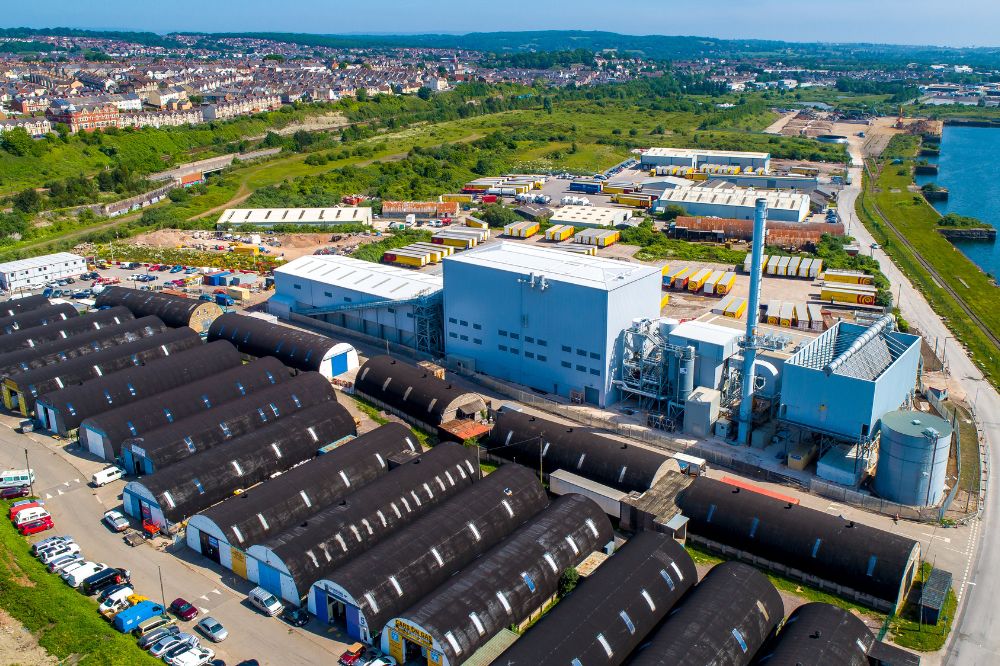
There are other ways of generating electricity sustainably. Tidal energy could be one. But although our Welsh Government was willing to help finance a prototype tidal generator in Swansea Bay, the UK Government of the day pulled the plug. So we don't even know if our tides might be a contributor. And using the energy of waves - the UK is, of course, surrounded by sea - has not even got past an experimental stage. Just like wind power wave energy is a non starter in the weather conditions that have prevailed recently.
So we are left relying on gas when the wind doesn't blow and the sun doesn't shine. Half of it is imported from Norway, the US and Qatar. If successive UK Governments over the last half century had taken more interest in our energy needs and invested in a range of renewables, nuclear included, we could probably be almost fossil fuel free by now.
Catch-up
So we need to play catch-up. And fast if we are to replace oil-based transport with electric vehicles and cope with the increasing demand for AI and internet access. We need to cut electricity and gas consumption by substantially more investment in home insulation plus compulsory solar panels and air or ground source heat pumps on all new buildings.
We need to accelerate the development of more large scale wind and solar farms in appropriate locations which don't themselves cause environmental damage and we need to get a mix of small and large nuclear plants up and running speedily.
Then, by 2035, our carbon emitting gas demand should be lowered. But no one will be turning the supply off for a long time after that.
Dr Malcolm Smith is a former Chief Scientist at the then Countryside Council for Wales and has been a Board Member of The Environment Agency representing Welsh interests
Support our Nation today
For the price of a cup of coffee a month you can help us create an independent, not-for-profit, national news service for the people of Wales, by the people of Wales.
Get more trusted Welsh news
Choose Nation.Cymru as a preferred source in Google News to see more of our journalism.
