


Opinion
Could flexible lists quell opposition to the closed list system for Senedd elections?
Jessica Blair, director Electoral Reform Society Cymru
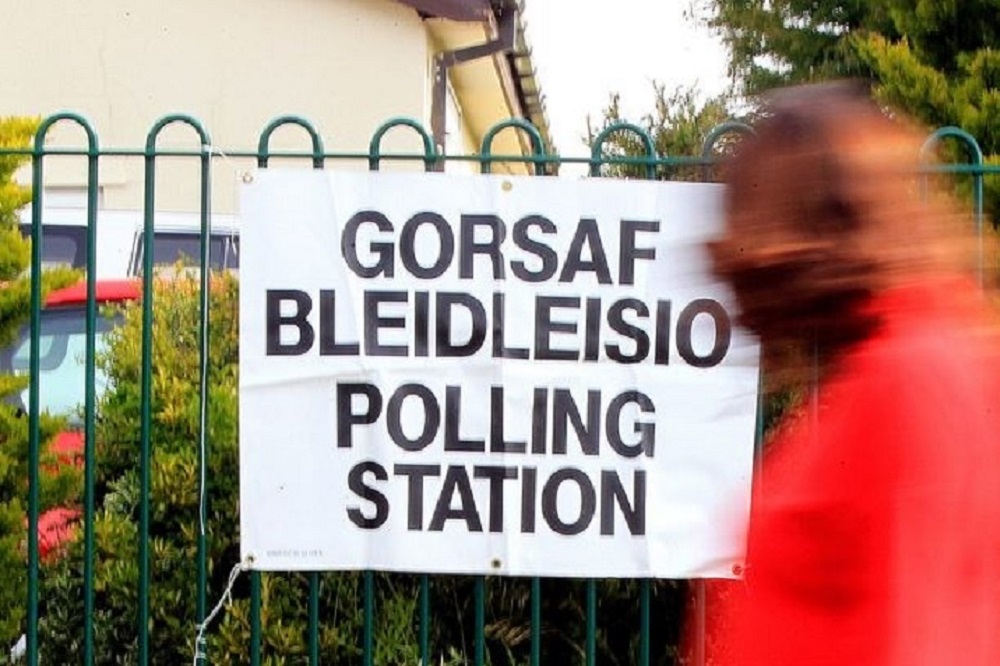
In two years’, time voters across Wales will enter polling booths and be met with an unfamiliar sight: a ballot paper on which they won’t be able to vote for a named candidate.
This will be the first election that voters will use the proposed ‘closed list’ electoral system due to be brought in as part of the reforms currently making their way through the Welsh Parliament.
In some ways, it is a relatively small change, as voters have already been using a closed list system to elect their ‘top-up’ MSs for the Senedd.
However, the current Additional Member System (AMS) voting system also allows people to vote for a named candidate to represent their constituency.
The move to an exclusively closed list system will mean voters have no way to vote for their preferred candidate but will only be able to express a preference for a party. This will be a sea change for voters, and likely not a welcome one.
[mid-content-banner]
Proportional
One of the arguments for moving to a closed list system is that it is more proportional than the current AMS system. Proportionality is a vital part of any good voting system as it is important that parliaments resemble the way the electorate voted. In short, proportionality is about ensuring voters get what they voted for.
But there is a second element that is equally crucial for a healthy voting system: accountability. Voters have to feel they have a meaningful say in who represents them and that they have recourse to remove individual representatives they feel have let them down.
When it comes to electoral reform, we often debate how to make systems more proportional as that has traditionally been the deficit with our legacy voting systems.
For example, the First Past the Post system used in Westminster elections often produces results that don’t accurately reflect how the country voted. But sacrificing accountability for proportionality is like plugging one hole in our democratic vessel while boring into it.
[lower-mid-content-banner]
Backlash
Losing the accountability that allowing people to for vote for a named candidate offers also creates an unnecessary risk to Welsh democracy. Firstly, as there is a risk that the change prompts a backlash from voters used to voting for people as well as parties.
Secondly, it is also not difficult to envisage a scenario under the closed lists where a candidate is caught up in scandal and refuses to step down, leaving voters with no mechanism to remove them or express their disapproval at the ballot box.
Situations like this lay landmines under Welsh democracy that could blow up and cause serious damage to voters’ trust in politics.
Yet this is a risk that could easily be defused. The closed list system was chosen by Labour and Plaid over others that were recommended. For instance, the electoral system that was recommended by an expert panel and Senedd committee was the single transferable vote (STV), which is the system ERS Cymru champions as it balances the need for proportionality and accountability.
Flexible lists
However, switching to STV would mean a serious re-write of the bill at this late stage. A much easier change, being proposed by the Welsh Conservatives and the Welsh Liberal Democrats in the Senedd this week, would be to move to a system of flexible lists.
This would keep the proposed system largely intact, with voters voting for a party’s list, but crucially it would enable them to express preferences for candidates within those lists if they would prefer to do so.
The Senedd reform package is a major reworking of the Welsh Parliament, and it is important we get it right. It presents a rare chance to futureproof Welsh democracy and the impact of this legislation will be felt for many years to come.
It is not often that there is a two thirds majority for a constitutional change in the Senedd, which makes it all the more pressing to ensure we get these reforms right and protect the precious bond between voters and their elected representatives.
Moving from closed to flexible lists would be a small change, but one that could avoid big problems for Welsh democracy in the years ahead.
Support our Nation today
For the price of a cup of coffee a month you can help us create an independent, not-for-profit, national news service for the people of Wales, by the people of Wales.
Get more trusted Welsh news
Choose Nation.Cymru as a preferred source in Google News to see more of our journalism.
