


Tuesday, 14th July 2026 Cardiff 25° · Clear sky
NationCymru A news service by the people of Wales, for the people of Wales.

Opinion

1 million Welsh speakers by 2050? It's a fake policy
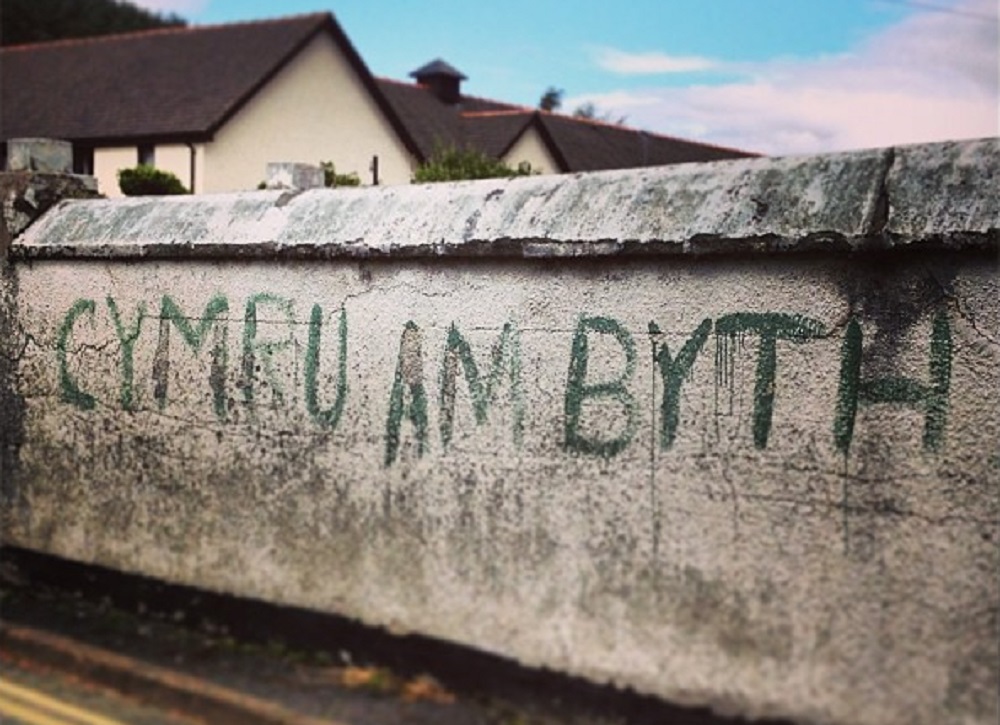
By NationCymru
Picture by Sarah Joy (CC BY-SA 2.0)

Tim Richards

When the Welsh Government recently announced that they planned to increase the number of Welsh speakers to a million by 2050 my reaction was, so what?

It is a fake policy, meaningless when it comes down to ensuring the future of the Welsh language.

It might sound like a solid target but it ignores the reality of whether the language is actually spoken in our communities, and the census figures are no guide at all.

Let me let you into a little secret about census figures – they can be very misleading.

I live in the Aber valley, just over the mountain from Cardiff and the census reveals that 15.8% of the population here can speak Welsh. But you rarely hear it spoken and never in public.

When I go into my local pubs, shops or cafe I never hear Welsh spoken. Unless, of course, that the moment that I walk in that they switch from speaking Welsh to speaking English!

So, while one in seven people in my community can speak Welsh, frankly I have to say it does not matter a damn. And nor does the Cymraeg 2050 target because it entirely misses the point.

Now, before anyone accuses me of being against yr Iaith Gymraeg, the Welsh language, becoming the living language of Wales I can assure you that I’m not.

I fervently believe that we need a renaissance of Welsh language culture if we want our nation to survive and become more than just an English county.

But we must realise right now that a) increasing the number of Welsh speakers, and b) making Welsh a living language in the community are two entirely different things.

Ych-a-fi

Let me explain where I am coming from. I was born and brought up in Cardiff in the 1950s and while my father was a Welsh speaker my mother was not.

In fact, she was hostile to the Welsh language and used to tell me from an early age that there was no future in speaking Welsh and that if I wanted to get on in life I should speak English - preferably with a strong English accent.

Ironically, her father was a Welsh-language speaker but she got her beliefs from her mother’s side of the family who were from Lancashire. There are definitely shades of the same kind of arguments still around today from people of English descent.

However, the Welsh language was never far away. My dad’s sister, my Aunt Jennie, lived near us in Cardiff and it was on visits there that I met the only grandparent I remember, my Taid.

I inevitably became familiar with various Welsh language phrases, like “chwarae teg” and “ych-a-fi” which I will always associate with stepping in a dog turd.

Unfortunately, when it came to learning Welsh in school I never got beyond “yr ydwyf fi”, yr ydwyt ti” – which is how it was taught in the 1960s.

And so, it might have stayed that way until the family moved from Cardiff to Swansea in the early 1960s.

It was like moving from England to Wales because suddenly I had school friends whose first language was Welsh, particularly those from the Morriston area. It woke me up more to Welsh being a living language.

It was from that point on that I began to rebel against my mother’s views on Wales and going to Aberystwyth University to do a Law degree brought me in to more contact with the Welsh language.

While I was still an English speaker, I had no idea what my accent was like, until I left and started working for Oxfam.

I was based in Oxford where, much to my amazement, they soon began to call me Taff. When I asked why, their reply was, “well we don’t say ‘by here’ and ‘by there’...”

But it was when I moved back to Wales that my attitude began to really change.

By the 1980s I began, off and on, to learn Welsh, making real progress after going on an intensive Welsh learners “Wlpan” course just before the Eisteddfod – where, for the first time in my life, I went around the Maes actually speaking Welsh.

Education

But, when I came back to Abertridwr after the Eisteddfod it became too difficult to practise speaking Welsh every day and so I forgot almost all I had learnt.

And that is the point of this article. Sending children through Welsh Medium education is a start but without the chance to keep on speaking Welsh, it can seem to be a pointless exercise.

I did send my children to Ysgol Ifor Bach, the local Welsh medium primary school, with the full support of Judy, my English wife, who believed that it would be a good thing for them to be bilingual, because she was a French teacher.

My boys went on to Ysgol Gyfun Cwm Rhymni and contrary to what many anti-Welsh critics believe (that all Welsh medium schools teach you is to speak Welsh), then went to University to do Physics degrees.

Alas they do not speak Welsh these days for the simple reason they have got jobs in England.

But I believe that their Welsh-speaking friends who remained in the Rhymney Valley probably don’t speak Welsh much these days either - because where are they likely to be able to converse?

Mobile app

I am, once again, learning to speak Welsh, by using an online web-site “Duolingo” but I have to say that without the chance to use the language in a social situation then it is an uphill task.

However, I have been thinking about this and have been discussing an idea about overcoming this handicap by carving out a space where I can use my Welsh in conversation, and it is a simple idea.

We need to have places that I call “Lle Cymraeg” that can create anywhere, starting online and then arranging to move into real places, such as a table in a local cafe or pub where Welsh learners like myself could meet up to practise speaking the language.

I have come to the conclusion that if we created a mobile app that would allow people to find, nearby, other Welsh speakers, of varying abilities and enable them to meet up to speak Welsh, then that would overcome what I feel is limited about the Cymraeg 2050 plan.

It might even be used to encourage English-speaking incomers to start using the Welsh language.

Beth dych chi’n meddwl?


Support our Nation today

For the price of a cup of coffee a month you can help us create an independent, not-for-profit, national news service for the people of Wales, by the people of Wales.

76 comments

Dafydd ap Gwilym

Bull and sound bites from a Welsh government that is totally useless!

Reply
Marconatrix

Sut mae hynny yn ateb ei gwestion?

Reply
Dewi

Tim, c'mon, they ARE different but by no means unrelated. As long as they are defining speakers in plain English as those who have received a Welsh education and are fluent then a million speakers is 1 in 3 of the population, a doubling of the market for Welsh language music, novels, film and tv etc. And if we assume they are going to leave the language die back in it's strongholds then the growth will have to be even more spectacular in the anglasised areas. So more thab 31.6% Welsh speakers in Abertridwr. The real problem with the target is that Labour have shown time and again that they will not fulfil the target, that it is a cruel joke. See exhibit A in Llangenech. If we have a million Welsh speakers in Wales by 2050, I will happily join that scab Dafydd El in declaring the language battle over. I will also eat my hat.

Reply
Owain

Build it and they will come

Reply
Nia Jones

Mae gymaint o agweddau am lesteirio'r 'polisi' hwn, ac er nad ydw i'n hoff o'r gair, normaleiddio'r Gymraeg yw'r ffordd ymlaen. Lle roedd yr iaith Gymraeg yn iaith y werin bobl, erbyn hyn, mae sawl un yn gweld yr iaith yn elitaidd. Yn anffodus hefyd, rydym ni fel Cymry wedi'n labelu fel 'cwynwyr', a dwi'n teimlo bod ni'r Cymry angen bod yn fwy gweithredol o ddydd i ddydd. Mae angen i ni gychwyn sgyrsiau siop yn y Gymraeg, defnyddio'r ATM yn y Gymraeg, defnyddio ffurflenni Cymraeg o fewn y gwasanaethau cyhoeddus ac ati- ond yn fwy na dim, stopio barnu pobl am y diffyg Cymraeg, ond croesawu ac annog y defnydd o'r iaith. / So many issues will 'hinder' this policy, and although I'm not keen on the word, normalising Welsh is the way forward. Where Welsh was once the language of the common person, it's now often seen as elitist. Unfortunately, we as Welsh speakers have also become expert 'moaners' and I do feel we as Welsh speakers need to be more proactive on a daily basis. We need to start shop conversations in Welsh, use ATMs in Welsh, use Welsh forms when using public services etc- but more than anything, stop judging people for the lack of Welsh, but welcome and encourage the use of the language. I enjoyed reading your article. Diolch.

Reply
Cynan

You make a very good point, Nia: 'normalising' Welsh can only begin with Welsh speakers. I hate the fact that I cannot speak Welsh fluently (but I'm an adult learner) and just wish that people who are fluent, would do exactly what you propose because many Welsh learners, for example, are just not at a high enough level/confident enough to use public services in Welsh despite wanting to. Furthermore, the more us second-language Welshies who hear and see Welsh, the better. I am also reminded that whilst I am very glad to see, what seems to me at least, a high concentration of Welsh-speakers in the upper echelons of Welsh society, I worry that they just don't appreciate how little the Welsh language penetrates into the lives of those in the Anglicised areas of Wales. One could easily think that the language is on its last legs - which I now know (through beginning to learn Welsh again) is very much not the case and simply not true. I also see many Welsh speakers hating on S4C. If it is so bad, why not email the channel and suggest some alternative programmes rather than not tuning in at all and telling everyone else (learners included) how rubbish it is?! It is very disheartening for learners to hear Welsh speakers talk down S4C as we may have only recently worked up the courage to actually tune in to it (obviously, that is my subjective opinion).

Reply
Sibrydionmawr

You make some very interesting and valid points that I can, to a degree, relate to. I learned Welsh as an adult, though I had the advantage of learning it in the Harlech area. I was perhaps atypical as I was so determined to learn it I sought out hapless victims amongst the local publicans and shop keepers, as well as the domestic staff at the college to practice my Welsh on. It was an experience, and it didn't take me long before I became conversationally fluent. Being in an area where Welsh is spoken as a living language is a great help, as you can, to a degree, immerse yourself in it. But most Welsh speakers find it really difficult to speak to learners, as it's a learning process for them too - they have to actually stop and think about what they are saying, so that you, the learner, has a fighting chance to understand them, as they are speaking their language in it's natural state, and not the variety you get in any classroom! It's as difficult for them as it is for you the learner, to speak Welsh, though for different reasons. Many people also are worried that they don't speak 'proper' Welsh, and that they will teach you bad habits - all I can say is teach me all the bad habits you like, as that way I could be mistaken for a local! And also, after a very short while both learners and their hapless Welsh speaking victims get to a point of mutual intelligibility, (though I have to warn that Ardudwy Welsh doesn't go down too well in Castellnewydd Emlyn!) and the learner learns all the bad habits their tutor warned them about, e.g. 'edrych ar ol' instead of 'gofalu am', and wonderful Welsh words like dreifio, (which I've heard conjugated in Ceredigion, excruciating!). And you are right, it takes a lot of courage, and not a little confidence to use your Welsh in 'real life' situations. It's often hard enough to excercise one's fundamental right to access serivces in Welsh when you're a confident Welsh speaker, as so few frontline staff are Welsh speaking in Anglicised Wales, even in the public sector where there is a legal obligation to provide Welsh language services. You often have to ask for things to be in Welsh when they should always be offered. In Cardiff, where I live, there are Welsh speaking council staff available, but it seems that no one has thought it neccessary for all reception staff to be Welsh speaking, and despite there being a large sign on the desk indicating that Welsh can be used, I've never yet spoken to a Welsh speaker, and have had to ask for one. All these services should be avai lable to all Welsh speakers, no matter what their level. They must be learner friendly. If we are in the business of language renewal, then there need to be policies in place that encourage learners to use their Welsh, as much as they can, but be under no pressure to continue in Welsh beyond their comfort zone. I think it's high time that all staff in all public facing positions are required to be Welsh speaking. Something like this would certainly give impetus to children learning Welsh as a second language, (i.e. not as part of Welsh medium education) to become fluent. I'd even go further and suggest that perhaps it's time to consider changing the internal language of administration in our public sector to Welsh. That would be a radical change, and for obvious reasons, wouldn't, ( and couldn't) happen overnight, but it would go a long way to really ensuring a future for Welsh as a living language. We have Welsh medium education, and we have intensive Wlpan courses, we just don't have the next logical step in place, a real, natural context in which to use it outside of the heartlands, and they are rapidly being eroded. Special social groups are better than nothing, but they tend to emphasise a learning environment rather than real world scenarios, and tend to establish the role of being a long term Welsh learner - label I never felt comfortable wearing and lost as fast as I could. Personally I think that beyond the basics, the place to learn Welsh is categorically not in the classroom, but out in the real world, and this is what really needs to change if Welsh is to turn the corner. It'd be wonderful to have a million people who actually do speak Welsh, not just have that ability. Yes, I've been as guilty as the next person at dissing S4C, (but isn't that what it's for?) as the programming is dire. Apart from the occasional gem, much of it is third rate rip-offs of second rate English language programming, plumbing similar depths of the barrel, Either that, or completely vacuous brain dead telly such as Prynhawn Da or Heno. By all means popular television, but please don't insult people's intelligence!. As a Welsh tutor, I was always glad that learners watched S4C, as I could use it as a barometer of progress - I always knew when fluency and full comprehension was approaching, as the learners would comment about how bad S4C programmes were! It may be disheartening, but it's even harder to recommend S4C and then having one's judgmental faculties doubted. I think that many probably have contacted S4C over the years in a bid to get improved programming, but S4C seems not to listen, and is content to produce low budget crap for an apparently undiscerning audience. Also, as there is only one Welsh language TV channel, it has to be all things to all people, and that involves choices being made, and obviously in such a situation. popular television is going to win the day. Most television is crap, as we know, there are thousands of English language, (and channels in other languages) channels where the standards are low. With S4C being the only Welsh language channel, it stands to reason that much of the output is going to be the vacuous pap that's to be had all over the globe, except in Welsh. There is no Welsh exceptionalism here, and no reason to expect it, and though I personally avoid that kind of telly in whatever language, it's easier to do as there are also niche channels in other languages that appeal more to me. Sadly we don't have that choice in Welsh. I have mentioned before, that there is a substantial back catalogue of programming made in Welsh that we just don't get to see because no-one in S4C or the BBC, (or indeed in the Welsh government/Assembly) has had the gumption of following countries like Iceland and making available films and TV programmes online as streams or downloads. So not only are we denied access to half-decent Welsh films and telly, ( in both languages) the Welsh broadcasting industry is missing out on an opportunity to make at least a modest amount of money from making this content available worldwide. But you are correct, Welsh people, and especially anyone involved with Welsh for Adults should try and button their lips when it comes to expressing opinions about S4C programming. Perhaps one of the first things a Welsh learner needs to learn is 'Peidiwch a gofyn barn y tiwtor am S4C' :)

Reply

In reply to Sibrydionmawr

Dafydd ap Gwilym

Great and positive post here and reassuring for a re-learner too. Can groups where speakers and learners are brought together be helped by organisations like YesCymru? We the people action need to take not believe in political soundbites, their fake!

Reply
Dewi

Also. I am sure as a Welsh learner it is very hard to summon the confidence to do so, but there really is only one way to find other Welsh speakers .... "dechreuwch bob sgwrs yn y Gymraeg". I do and even here in Sir Fflint, in amidst 5 or 6 days of disappointment and rudeness I get the odd joyous day where I use Welsh more than 50% of the time.

Reply
kim erswell

Diolch, Tim! I enjoyed reading your opinion piece. I've learnt Gymraeg as a second language to, I'm told, a fair conversational standard by using the online resource - Say Something inWelsh - which has allowed me to live, when I'm in Wales, through your nations beautiful language. Like, DuoLingo another great resource using modern techology and new ideas. On their website you'll find lots of information about loads of chances to use the language throughout Gymru, a tu hwnt. There have been many positive developments in recent years allowing people to use whatever amount of the language they have without fear of embarrassment in many social settings already. Myself and a friend ran a successful group in, Rochester for a number of years too. But having originally started with, Wlpan over twenty years ago, without success, I see lot's of exciting ideas growing that will see positive strides being made forward towards hitting that million in this exciting modern age.

Reply
Euros WJones

Cytuno'n llwyr.

Reply
Bryn Daf

A vastly powerful and wealthy capitalist system dominated by the English language - ALL while there is a vast explosion in communications technology and tech in general........ - means there is a massive uphill struggle to keep smaller languages alive - without MINDSET change Radical change has to happen in communities

Reply
Rhodri D

Yn gyffredinol, rwy'n cytno - ma' angen ysgogi'r Cymraeg i dod yn iaith cymdeithasol. Hoffwn i glywed syniadau am sut i gyflawni hyn... Yn y cyfamser, fel ysgrifenes di "Sending children through Welsh Medium education is a start" - mae'n dechreuad! Os hoffau ti cyfathrebu a Cymro Cymraeg - danfon ebost a trefnwn ni Facetime / Skype

Reply
Aled Bishop

Cytuno'n llwyr. Nid yw dysgu Cymraeg yn ysgol yn ddigon, rhaid ei ddefnyddio er mwyn cael a gweld ei werth.

Reply
Melindwr

The story of your Welsh language learning is very like my own, Tim, though it was chapel, good teaching at school, and holidays at the Urdd camps in Llangrannog and Glan Llyn, that helped me to turn the corner. I live near Cardiff now, and I hear Welsh spoken around me far more than I did as a child; it almost seems to be a requirement for a certain metro persona. The numbers vs practise analysis is a good one. Bilingual signage and paperwork, Welsh language television, and "Incidental Welsh" in schools won't raise the profile of spoken Welsh in the community on their own. I enjoy speaking Welsh when I can, though I'm often put off by my own relatively small vocabulary. But I like the idea of Lleoedd Cymraeg for learners in pubs and cafes, too, but they will only help by giving those who are already willing that final push in the right direction. I fear that the Senedd's target is no more than a big, fat juicy apple at the top of a very tall tree. If we struggle upwards, to try and grasp it, we're in danger of ignoring a lot of other pickable fruit lower down.

Reply
Peter Evans

Trist. Try saysomethinginwelsh.com by the way. They concentrate on getting you speaking Welsh and hold bootcamps to help you on your way. It's great.

Reply
Capitalist and Welshnash

I would be happy to meet new friends on an ap in greater Cardydd/Casnewydd and use my fluent Cymraeg with people who have not been given the opportunities I have.

Reply
Tudor Williams Rees

A thoughtful interesting article. We must help Welsh learners as much as we can, and modern developments can help e.g. Duolingo and SSIW. Perhaps a "Virtual Total Immersion" would help those living where little Welsh is spoken. Building on the S4C Sunday morning programmes, as comprehension improves, this could be supplemented by tuning in to Radio Cymru for periods during the day, also viewing other S4C programmes, using English subtitles at first. Programmes of particular interest could be recorded, and played back in manageable chunks, consulting a learners dictionary when necessary. Daliwch ati a phob lwc!

Reply
Teilo

Great idea for the app "Grinder" for Welsh Speakers.

Reply
Marc Konijnenberg

Speakers of Esperanto recently got exactly that kind of app, it's called Amikumu and the creators are planning to expand the list of languages. I'd say that a lot of languages like Welsh and Yiddish will greatly benefit from this app.

Reply
M Davies

There used to be a 'Lle Cymraeg', where learners could spend time with other Welsh speakers in pubs, cafes etc, and very succesful it was too, meeting in places all over Wales on a very frequent and regular basis. It was calld CYD, and attracted lots of attendees; much was due to the sterling work of its skeleton (paid) staff. But the (then) Welsh Language Board decided we did not offer value for money and withdrew our very modest grant, thereby closing down a valuable resource.

Reply
Gareth Tuen

Oen i'n gweithio mewn Siop newydd Rhiannon (Aur Cymru) yn Aberystwyth, sef cwmni Cymraeg IAWN a oedd pawb yn wybodol byddwn yn siarad Cymraeg tu fewn. Ond achos doeddwn nhw [cwsmeriaid] ddim yn digon hyderus a'n meddwl buasai'n ei farnu ar ei allu i siarad y iaith oedd nifer jyst yn siarad Saesneg. Hynny yw cyn i mi esbonio am adeg o'n mywyd pan symudes i i Loegr, colli llawer o'r iaith a dim ond trwy ymarfer cynyddes fy safon, hefyd teimlais y barnu yma ar fy hunan. Ar y diwedd o'r dydd dylwn cymeradwyo unrhywun sy'n ceisio'i wella ei hunan mewn unrhyw ffordd, y person tew yn y gym sydd methu 'lifftio' llawer (eto) neu'r dysgwyr Cymraeg sy 'mond yn wybod 'tipyn bach' o'r iaith hyd yn hyn. ...having taken the time to write that in Welsh I realise that you're article was English and you wrote of your inability in the language, soz. Basically people get nervous around 'known' Welsh speakers because some are judgmental - but most aren't and who cares if they are anyway, I implore you to force them to "deal with my sub-standard Welsh!"! On your point of the 1 million Welsh speakers. We've got to start somewhere and if we know more 'know' the language then we're more likely to use it. 'Cymraeg yn gyntaf' is a really good motto that has helped me to speak Welsh to many in my previous job roles and also out in the community. If you start the conversation in Welsh it becomes pretty obvious whether or not you can carry on, and you either do just that or switch to a common language (try french?)

Reply
Meredith

I think Lle Cymraeg is a great idea! I'm in the US and learning Welsh online from a teacher here using Hangouts. But it is really slow going without opportunities to practice. I found another person in my city who is taking class from the same teacher and we have started meeting together once a week to practice speaking Welsh. It's really helpful! So I hope you pursue this idea, and I would love to join any online groups if I would be welcome. :-)

Reply
Llywelyn ap Gwilym

I'm not sure that I would go so far as calling it a "fake policy", however I would agree that it is not the silver bullet that some seen to think: it is a part of the solution, but not the whole solution. As Mr. Richards rightly points out, the language needs to be normalised, so that a Cymro (or Cymraes) Cymraeg can live and work to the greatest extent possible through the medium of Welsh, whether in the North or South, East or West. An app helping to link Welsh speakers could be part of the solution (I really like the idea!), but as an easy and more immediate step I would encourage all outside of the Bro Gymraeg (and those in it too) to make the decision to use Welsh as the primary language of interaction - start conversations in Welsh in shops and restaurants and pubs and clubs. It's easy enough to switch to English if needed, but this way you won't miss out on those conversations that could/ should occur in Welsh, but don't because the default in too many areas of Wales is to communicate with strangers in English.

Reply
Trailorboy

I'm hoping that phone technology these days might enable an app to let you know who might be close by or share similar interests etc, whether thats work or hobbies or just general things. The same idea that I imagine dating apps like Tinder might use, but I honestly have never tried a dating app, because I'm sure that my wife would find it a bit strange. I would like an app like that, that wasn't associated with dating, so that I could use it maybe for professional work and business use as well as other interests like sports like rugby etc. This may well be facebook thing, but I would like something a bit different personally, because I'm not really a facebook sort of person. It doesn't have to be just about a particular language such as Welsh, it could be for many languages and disciplines? I've rambled a bit, but basically it's about having that social networking tool that works on lots of different levels, that enough people with all sorts of levels of abilities can sign up to, that one day might tell you that six people in the pub you happen to be in, or the person behind you in the checkout are on the same page, even if you're ability level was as rubbish as mine it would encourage a shwd wyt ti or a diolch and make the whole thing a more natural thing, which is maybe sometimes that elusive thing that we all want.

Reply
Leia

There's a lively discussion going on in the SaySomethingInWelsh forums about what we can do NOW to make it happen - joing up Welsh speakers is certainly one aspect - might be worth floating the ap idea over there too? https://forum.saysomethingin.com/c/welsh/million-speakers

Reply
Nic

I agree. Without accompanying progress in opportunities to use Y Gymraeg in everyday life, children loose their language skills after leaving school. Like algebra or writing a story, it becomes "something I learned in school but can't 'do' anymore". The idea of 'Lle Cymraeg' could work well, but of course it needs to be part of a much larger social change. The biggest hurdle is convincing non-Welsh speakers to accept hearing Y Gymraeg, to not be intimidated, to drop the "it's rude" Victorianism and to not constantly make it 'about them'. There are very complicated (not to mention bizarre) social conventions around speaking Y Gymraeg around non-Welsh speakers: we are meant to take into account whether they were previously part of the conversation or are likely to be in the next 10 minutes, how far away they are before you start speaking Y Gymraeg, how well you know them and where you are at the time (Eisteddfod - not too offensive, someone else's house - absolutely outrageous). But I've dropped all that and people can be as offended as they like. Non-Welsh speakers must be brought to understand that if we only speak Y Gymraeg when there aren't any non-Welsh speakers in a 1/2 mile radius then we'd never speak Y Gymraeg at all... and that's exactly what is happening in an increasing amount of settings and localities.

Reply
Sibrydionmawr

I get you here, though I've never been constrained as to where I speak Welsh ever since I gained the ability to speak it at the age of 27. I've been accused of being variously rude and ignorant for speaking Welsh in the presence of non-Welsh speakers, (who weren't even part of the conversation), even sometimes by other Welsh speakers who had obviously swallowed the book about being obsequious and servile. I have also put told the Cardiff housing association I rent my home from that I'll ignore any communication or staff member that is English only. It is only when we demand Welsh language services and refuse to cooperate if we are insultingly sent correspondence in English, or monglot English staff when we have clearly indicated that we won't comply with anything that is in English only that we'll get what we want. Good for you that you no longer care what non Welsh speakers think!

Reply
Elizabeth Jane Corbett

The app is a great idea. But have you been on the Say Something in Welsh forum? They have meet ups everywhere! In Wales, England, America, Australia - by Skype, face. There are hundreds of members committed to siarad Cymraeg as often as possible. Saysomethinginwelsh.com. I've got religion on it!

Reply
Pol

For me the absolute priority regarding the future of Welsh is that the Fro Cymraeg needs protecting. Protecting from speculative market driven developments. Without the Fro theiving Welsh will never be able to truly grow. It is the only resource left on the planet for the Welsh language! The Fro should be treated as a special area economically too,with bespoke packages of funding and development. When this has been succesful a strategic spatial plan connecting Welsh speaking communities,with areas on the edges of the Fro should be developed . At the beggining these would act as a kind of buffer zone but could become absorbed into the Fro. Also more generally an economic and social strategic plan for the whole of north Wales urgently needs to be looked at . One that doesn't have the north west of England's economy at the centre of it.

Reply
Capitalist and Welshnash

Yes Pol, cytuno cant y cant.

Reply
Mabon

Fi hefyd, dw i'n cytuno. In fact, here is a blog on the current state and future of the Fro Gymraeg, and I highly recommend a read of it: http://politicsbyrebuttal.blogspot.co.uk/2017/06/will-welsh-language-survive-my-thoughts.html?m=1

Reply
Rhys

This is an excellent article and touches on an important truth which we need to always bear in mind: the path to Welsh language regeneration needs a variety of approaches in tandem. Ultimately the endgame must be to fully normalise the use of Welsh in everyday contexts. I think the idea of using an app to meet up with other Welsh speakers is a great start, but naturally it won't be the answer on its own. Being something that you have to seek out yourself means that it will be the preserve of people who are already enthusiastic about learning/preserving language skills. Reinforcing this cohort is of course important, but it will have limited impact on drawing new learners in. If the language is to become normalised then we simply need to hear it used in conversation more. I think that there should be some sort of incentive provided to businesses, particularly those which serve as meeting places, to encourage their members of staff to use Welsh in the workplace. Hearing staff speak Welsh to each other will give Welsh speaking customers more confidence to use Welsh when they deal with those staff, and thus create another context where everyone involved can use their Welsh - consistently reinforcing their langauge skills and confidence. Meanwhile people who don't speak the language will nevertheless hear it in everyday use more frequently, reinforcing to them that Welsh is a living language and a part of their community. The flaw in this plan lies in how to provide the incentive. I would advocate a sort of progressive tax relief, designed so that smaller businesses have less obligations in order to recieve the full relief, while large businesses would have to be quite proactive to get the full relief. This would make the scheme as inclusive as possible and so stymie accusations of anti-Englishness (except from the most hardcore), and would have the bonus effect of boosting the capital of small businesses, ideally encouraging economic growth. The Assembly doesn't have nearly enough power over taxes to accomplish this though so this is all academic anyway. ¯\_(ツ)_/¯ In the long term we need to change people's perception of Welsh language use. It will have to be gradual, will necessarially take generations to accomplish and there is no one magic bullet to accomplish it. But I think we have come a long way towards improving people's attitudes to the language, and if we can be prepared to take some bold steps to help normalise its use then we can assure our language's prosperity.

Reply
CambroUiDunlainge

Well Labour is not the Welsh party. It's the Socialist Party. Something Plaid seems to want to be at the expense of being the Welsh party. I come from a similar background but I'm a few decades younger... and that should really show how many of us have lost our identities over recent generations. I happen to think we're the most important people in Wales... because being born in the South to families who have experienced that loss gives us insight into Welsh speaking Wales and English speaking Wales. It also makes us the best people to fight for the survival of our identity... because in the West and North they fight to keep their identity... while we fight to reclaim ours. I think Plaid really missed the boat with that. They wanted to conquer the Valleys and did not really understand its people. We don't need another party which will exploit our Socialist leanings - but one that understands those of us who have lost our identity - those on the middle ground who will speak to our compatriots as fellow Cymry, not fellow Socialists. I don't feel the current set up does understand that loss... and therefor fails to gain real momentum... just gains discontent socialists who could swing back to Labour at a leader or policy change.

Reply
Paul

It's one of many needed good ideas . . it's no good having 3 million people that are able to speak it but don't use it . . . so the biggest problem is finding people that speak it. . . There really are lots everywhere. . bumping into each other, serving you in the shop, at the bank etc. . but our initial greeting is what let's us down. . . I found out a few years ago I'd been speaking English to a good friend of mine for years. . when we could both speak Welsh, but neither of us knew. . . All that changes if you just start every new conversation with a Welsh greeting. Shw mae, bore da. whatever. . . . even non Welsh speakers will not really bat an eyelid, but you'll discover many Welsh speakers along the way. I see no other simpler way to "normalise" Welsh. . . Try it. . . . Pob lwc.

Reply
Dave M.

Perhaps you should use the home-produced 'Say Something in Welsh' which is far and away better than Duolinguo. It offers you a practical knowledge of spoken Welsh in a very short time via a non-doctrinaire but carefully cumulative course in terms of vocabulary and functional language with multiple opportunities for immersion across Wales and England and as far afield as the US and Australia, and also access to a worldwide forum of many thousands of Welsh learners.

Reply
ejcorbett2013

I second this. They have Bootcamp, meetups, and incredible culture of starting every conversation in Welsh and staying there. I have learned in Australia using SSiW. I now have friend I only relate to in Welsh.

Reply
Sibrydionmawr

Yes, it make sense to build on something that already exists, but in terms of the development of an app, perhaps funding from the WAG could be forthcoming for that? I'd go even further and suggest that we start a campaign to demand that the WAG provides funding to translate the Android interface into Welsh. The cost would not be great, as there is already a well established process to translate the interface, and all that is needed is to get it officially adopted as one of the default languages for the phone. I'd also suggest that money be made available to provide full Welsh translations for the GNU/Linux project, as it is far from complete, and seems largely to have been abandoned, as well as having some translations that are incorrect, having apparently been contributed by enthusiastic learners rather than fluent Welsh speakers with a proper grasp of the correct context for the words used. Thus I have 'Adre' on one of my computers rather than the more correct 'Cartref'! I've also seen one or two other howlers, but can't remember what they are at the moment. At the moment much of the translation work is done thorough voluntary effort, which leads to inconsistencies, so I'd suggest that backing be given to Canolfan Bedwyr or somewhere similar so that standardised translations could be provided - or maybe the WAG will see sense and insist that the public sector in Wales transitions over to using GNU/Linux and ends the rip off licencing payments that are currently paid to the Microsoft Corporation by the Welsh taxpayer.

Reply
Richard Blacklaw-Jones

Syniad da. Mae grwp o siaradwyr yn cynnwys gwahanol safonau yn cwrdd pob nos Iau ( 9 yh tan amser cae ) yn tafarn y Pembroke Yeoman yn Hwlffordd. Croeso i pob un sydd eisio ymarfer sgwrs Cymraeg.

Reply
Dewi

Mae grwp yn cyfarfod I ymarfer eu Cymraeg yn Nhafarn y Llong Uchaf ym Magillt ar nos Fawrth.

Reply
Dauwe f.d. Meulen

David of Willem(s), government has to control us, we control government. We can help by tools and gadgets like Lieu Cumraey app of Tim Richards. Cymru is Old School, Medieval spelling. New is Cumry. Cambria. Cimmer. Beth dych chi'n meddwl? What do you think of it? I guess. W/O-mega, oo. Cumry am buth? Picture of Sarah Joy. The Best? Frieslawn b'uppe! Sorry. By dog turds: Ych-a-fi is Frisian Ach-en-wee? Chwarae teg? goddamned? My Taid, granddad. Taffy is a nickname to be proud of by here - by there. Ysgol ifor Bach, basic eschool. Ysgol gyfun, gymnasium? Coom Rumney Valley Swansea, West of Cardiff? Swan Lake District. Swan bloom leafs, Swamp leafs in Friesian Flag. Welsh Wlpan, welp, wylp: Yr ydwyf fi, -yt ti? Abertridoor, Aber valley, quarter? 1060s is 1960s. Census figures matter. Davey/Dauwe fon der Meulen, Amsterdaam

Reply
Dauwe f.d. Meulen

//forum.SaySomethingin/c/welsh may be good enough. Diolch, Nia J. Duolingual comment, I read them both. But Don't stop judging people for the lack of Welsh. Welcome ... Dave M. M Davies, Liewellin of William, Cambro of Langdon. Yn cytuno'n llwyr, I totally agree. Ych-a-fi, yuck! a dog turd. Chwarae teg, Fair play! Cumry am byth, Wales for ever! Frisian needs an Anglo-Friesic spelling, iinterfriesk too. Friesic and Welsh write Y, more than any other tongue. Stop using archaic spelling -wyr, -our. Bolshevik, shop! EisteddfodD Sitting that Session way wise anghydfod.

Reply
Dauwe f.d. Meulen

//forum.SaySomethingin.com/c/welsh I'm sorry. Diolch, Thanks. Shwmae, Bore da. Good dispute.

Reply
Brynhp

I think the way forward is to encourage everyone to use Welsh first and to try to make Welsh the default rather than English. It is a bit easier for me as I live in Ceredigion where most local people speak Welsh as their first language but until we do this, Welsh will always be second best. Also, the big problem I think is that of confidence in our language. This is where we need a sea-change so that the next generation see speaking Welsh as a really positive thing, not as our parents and grand-parents did, a negative thing. This is where the direction of the Assembly's strategy should be focused in my opinion.

Reply
CambroUiDunlainge

That won't work in the Valleys. There's a different idea of what being Welsh is here... and those two identities need to be reconciled into one nation before something like that would work. For starters you'd need a nationalist party to be running Wales... and that doesn't look like its going to happen at its current pace. Welsh needs to be seen as a language for anti-establishment (which its probably viewed as by the establishment anyway) ideologies, with our identity as a whole portrayed as under attack (which it is - and always has been).

Reply
Padi Phillips

Not sure how to make speaking Welsh anti-establishment in the Valleys, when the language is viewed as elitist, and if the only exposure to Welsh is through Welsh medium education and the dead hand of the Urdd! I once made a kind of off the cuff statement to a friend to the effect that I wouldn't be happy until Welsh was being used by socially marginalised kids from Barry's Gibbonsdown estate as their language of counter-culture. I have little doubt that that could be achieved, but there would have to be a radical shake up in the way Welsh is taught. Harnessing youth culture seems to be an obvious route, but I think both the Urdd and those who insist on keeping Y Gymraeg pure and parchus would have something to say! S4C and Radio Cymru are part of the problem, but also need to be part of the solution. Instead of boring and vacuous daytime tellly in the form of Prynhawn Da and Heno, (both insults to anyone's intelligence in my opinion) we need a platform that promotes an edgy youth culture that it attractive and relevant to an audience of young adults. Too much of S4C's output has been dire for far too long, cheap programming that gets away because few are prepared to be openly critical enough in English lest it be seen as giving ammunition to those who would like to see the demise of Welsh language telly completely. For sure, on occasion S4C has come up with some well made programmes and series, but that just highlights the dross that seems to make up so much of it's output. It also hasn't helped that those in control of the only Welsh language channel on the planet have made some crassly stupid decisons, such as switching off the Clirlun service in 2012. I know there is now an HD stream available on satellite, but that doesn't help those with terrestrial only reception. The question also needs to be asked as to whether we may need a second Welsh language TV channel in order to be able to provide the kind of full service we really need. By and large, S4C's output seems to be dominated by programming for the under 5s and the over 50s! There is also the issue of programming and films available for on demand streaming, which beggars belief. If Iceland, with a population slightly in excess of that of Cardiff can manage to provide on demand streaming of films and TV to the world, I'm damned sure that Wales can. Films with subtitles are a great way of hearing languages and understanding the story. I think Tim's idea for an app is great, and is more than feasible, and with the latest developments I'm sure the app could include a facility to let you know where the nearest Welsh speaker is located, using GPS, As far as the Lle Cymraeg idea goes, I think that after the sad demise of CYD that the local mentrau iaith were supposed to provide a similar role in mentoring groups for learners. I know that some still arrange Sadyrnau Siarad, but I've been out of the loop as far as Welsh for Adults is concerned for the past decade that I don't really have a clue what's on offer. Maybe contacting your local menter iaith would be a place to start. CYD was a good concept, but it was underesourced and understaffed. . Anything that can provide opportunities for learners to improve their spoken Welsh is to be encouraged, it all helps, but I think the one thing that is constantly being missed is the general context - Welsh might as well not exist at all in Anglicised Wales. Even though we theoretically have the right to use Welsh with public sector bodies, in practice it's rarely that we can. For example, Cardiff County Councils's Hub Reception desk on the first floor in the Central Library in the city centre has a big sign indicating that there are Welsh speaking staff there, but on every occasion I've been in there I have asked a question in Welsh, only to discover that the member of staff on reception duty cannot speak Welsh. That's a huge fail to start off with, so why is it not stipulated that all staff working on reception desks are bilingual, Welsh and English, and learner friendly? Secondly, why hasn't it been suggested that the internal administration language of all public sector organisations in Wales changes to Welsh? Not over night, of course, but let's say, over the course of perhaps a generation? That would have the effect of increasing the economic value of Welsh, and thus creating a very powerful incentive to learn it at school. For me, it's not about the sheer numbers who are able to speak Welsh, but the numbers who actually do speak Welsh. All the current Labour Government's policy actually amounts to is yet another rather inadequate measure to preserve it, and not to ensure that it thrives and grows. It's not as if the idea of a million Welsh speakers is a new idea in the first place - in 1993 the band Ty Gwydr released a CD single 'Ymlaen at y filwn' as part of a campaign to have a million Welsh speakers by 2001, so even more ambitious, (and probably just as ill considered) than the present plan.

Reply
woganjonesblog

App Cymraeg Syniad da - good idea. Agree with this: 2050 target is ambitious and worthy However Welsh Labour don't practice what they preach Agree with this too: When leaving school, pupils don't use their Welsh and can lose it Lots of time and effort is therefore 'wasted' However, first we all need to use the Welsh we know to normalise the language in all our communites: e.g. these phrases we can all use Shwmae/S'mae / Bore da / Prynhawn Da./ Noswaith dda / Diolch / Diolch yn fawr and some others - Ych a fi / Bendigedig etc. This is the way to begin the process of re-nomrlaising the use of Wesh in south/east Wales. No government will ever give the change we need. We need to be the cahneg we wish to see (as someone like Ghandi once said) Felly, er mwyn sicrhau'r Gymraeg,, defnyddiwch hi. Bob man. Bob amser. Bydd yn wrol!

Reply
Mabon

I'm of the opinion that it is definitely worth while promoting Welsh as a second language and increasing the percentage of learners in non-welsh speaking areas. But what I believe is even more important is conserving the Welsh language where it is still alive which today is mainly in North West Wales - Gwynedd, much of Anglesey and areas of Conwy still. What this blog (https://politicsbyrebuttal.blogspot.co.uk/.../will-welsh...) shows is that while Welsh is holding well in many of these areas, there are other areas where Welsh appears to be other areas there where it seems to be collapsing as we speak.

Reply
Sibrydionmawr

I certainly agree with you there. However, it is in these areas that bilingualism actually undermines the Welsh language, in my opinion. I think a policy of eradicating bilingual signage and replacing it with Welsh only signage would send out a very powerful psychological message that Welsh predominates in these areas. Some would of course, not be supportive of such a proposal, but I think that if we are going to conserve Welsh in these areas then something like this kind of thing is going to happen. Indeed, on linguistic grounds alone it could be strongly defended, as any linguistics expert on the planet will confirm that all languages need a cultural heartland, something which Welsh doesn't really have, as everything has to be slavishly bilingual. Face to face biligualism would of course continue in a similar manner to the way it does now, but the general environment would be significantly changed, and could well be the gentle nudge/conscience prick that some settlers need to get them learning and speaking Welsh. Bilingualism is the right fit for Anglicised Wales, and that has certainly been a positive force for the language, despite the somewhat short-sighted policy of providing all this wonderful education and then nowhere to use Welsh once secondary education is over, to all intents and purposes. Hence the need for another radical idea, that all public sector bodies be obliged to prepare language transition plans so that there is a gradual shift over to using Welsh as the language of internal administration. More emphasis also needs to be placed on the private sector, as for far to long they've been able to get away with doing very little, and when they do, the results have often been dire - far too many websites rely on Google Translate, which, quite simply just adds insult to injury as far as Welsh speakers are concerned. I today found two examples of such websites, Cardiff & Vale Credit Union, and Wales & West Housing, which is doubly concerning as it has significant numbers of properties in Welsh speaking areas, and yet it feels it can insult Welsh speakers with impunity - where is the Language Commissioner in all this? That office should be all over this! I'm sure I'm not alone in wondering what the heck the Language Commissioner actually does in any practical sense. It's been nearly 25 years since the passing of the 1993 Welsh Language Act, and often I feel that things regarding the language have gone backwards, or at the very least, stagnated. woganjonesblog - I agree, it's far too important an issue to be left to government alone. All they do is pass laws and come up with policies to teach Welsh in schools and they think it's job done! In reality, as we know, it requires far more than this, and we need to push government in order to get what we want, rather than just accepting the crumbs they want to give us. There are enough Welsh speakers to make Wales very difficult to govern, and I think we need to be prepared to dig our heals in. It is partly about demanding everything in Welsh, and refusing to comply if something is asked for in English only. I now personally will only take any notice of communications from the housing association I rent my home from if they are in Welsh. I've told them that communications need to be in Welsh for the past 20 odd years, and still they send me stuff in English only. I used to complain, now I just ignore them, no matter how important they are, as I have a right to Welsh language services. I don't consider English only communications as communicating with me. I have contacted the Language Commissioner a couple of times over this issue, with predictable results - the Language Commissioner is about as much practical use as a chocolate teapot. I've complained goodness knows how many times, and still I'm being grossly insulted by the housing association sending out communications to me in English only. I think some time soon a few local politicians will be receiving a serious complaint against this housing association, backed up with nearly 27 years of evidence to prove that I've consistently asserted my requirement that I am communicated with either bilingually, or in Welsh. Time really is running out, and unless something radical happens within the next five years or so I think it will be game over for Welsh as a living community language. There are huge pressures pressing down on it, and partly this is to do with the reticence of Welsh people to face up to the reality that we are facing an immigration crisis. More than 25% of the population of Wales was born outside our borders, and they have predominantly moved to the rural north and west, precisely those areas where the Welsh language has been strongest. I can understand some of the reticence, as whenever someone does have the temerity to make a stand, they are shouted down by Welsh Labour as racist, and stabbed in the back by Plaid Cymru who still naively believe that all you have to do is be nice to the Engllsh colonists* and all will be well. We, as a people, I often feel, are far too respectable, parchus, and really we need to be a little more, not so much disrespectful, (though I think we could allow ourselves a little amharchusrwydd!) but assertive. It doesn't mean being aggressive, or rude, just that we speak our minds and steadfastly refuse to have a 'sense of humour' when we, or our language, or our culture or country are slighted. We need to make Wales somewhat less attractive to those who see our country as either a nursery or a long term care home. It's been far too long that Wales has been seen as a nice place to retire to, wasn't it in the 1970s that Gwyn Alf Williams was already referring to the North Wales coast as 'Costa Geriatrica'? *I make a distinction, and always have done between those people who move in to Wales with the intention of integrating and make the effort that requires, and those who move to the country with the intention of creating a bit of lebensraum. I'm aware that that is a contentious term, but use it anyway, as I feel that it conveys what is in effect is happening. The former are a welcome addition to our country, but the latter, (which sadly includes many otherwise progressive people) we should perhaps not be making so welcome.

Reply
llio e

Hoffen i pebai fy hunaniaeth siaradwr Cymraeg yn fwy gweladwy- tatw tafod y ddraig fel tatw y bluebirds yn dangos fy mod yn hapus i siarad Cymraeg. Wedi cael digon o fod yn ofnus i gyfarch pobl yn Gymraeg, ac o fethu teimlo colled. / I'd like it if my Welsh speaking self were more visible - a tattoo of the dragon's tongue, like the bluebirds tattoos . I'm happy to speak Welsh, in fact I prefer it, and have had enough of those daily decisions whether to greet people in Welsh, and feeling real loss and stupidity when I've chickened out.

Reply
Trailorboy

Another point I wanted to make is that a problem for groups often regarded as minorities is market reach. If we want to secure investment and uptake for great idas, then it has to be to a large market. In this, we have the advantage, because when you think about it minorities all put together are more than likely the real majority of people in the world. So if its an app we want to develop and we're worried about tje market, the make it an app that all of the minority groups in the world can use. An app tjat helps Welsh woulf no doubt be useful for Bretoon, Maori or so many others. The market potential is huge if we invest in platform technologies and ideas that so many people with no power or voice of their own could do onbtheir own. We could state we did thsi for Welsh, but proud to help all those out there who maybe need this evn more than we do. we can help ourselves, but perhaps even more importantly whatever we can do that succeeeds may help other who have no means or opportunity of ever doin this themselves. Make our ideas adaptable for others to exploit. Invest in things that others outsidebof Wales can use. By doint things in that way, how could anyone posaibly be negative anf cynical. Any cynicism would be beneath contempt. Apologies for typos - my phone keyboard should be renamed Diawl.

Reply
Llywelyn ap Gwilym

Download SwiftKey - it does a fantastic job of predictive text in Welsh!

Reply
Chuck Smith

You're totally right and that's why we've been developing the Amikumu app for the past year with the goal to connect speakers of all the world's languages together (to see full details you can look up our Kickstarter campaign which was over 300% funded). We soft launched in Esperanto in April 2017 and are opening up to over 7,000 languages (including Welsh) later this year. We already have over 5,000 members in over 100 countries, including 24 people who speak Welsh too. We're really excited to see the interest in this app and we look forward to expanding for the Welsh community!

Reply
Trail or boys

that's fantastic news. All the old research on language decline and loss may need revisiting one day to examine the role of new technologies and social media. Will definable get this app and look at the kickstarter campaign to lend my support. Next step is to take on Alexa as well.

Reply
Phil Lewis

Hi Tim. Wi'n lico'r dy syniad "lle Cymraeg" Wi'n byw ym Mhenfro, De Sir Benfro ond wi'n dod o Sir Ģâr yn wreiddiol. S'dim lot o'r Gymraeg rownd fan hyn .. ond wi'n cwrdd â phobol Ceredigion a Gogledd Sir Benfro a Sir Gâr o gwmpas y dre ac ni'n cael cyfle i siarad Cymrâg nawr ac y'man. Mae na lot o ddiddordeb gyda phobol Penfro pan ydynt yn clywed y Gymrâg ac mae nifer ohonynt yn gweud .. "My daughter is in Welsh school and I'd like to learn it too" ayb. Mae'n pwysig i ddefnyddio'r iaith ar y strydoedd, miwn lleoedd cyhoeddus er mwyn rhannu'r Gymrâg i'n cymdogion ni. Diolch yn fowr am dy ffydd a hyder!

Reply
Mab y ddraig

Joined up thinking would be good. Whilst the Say something in welsh intentions are good, they themselves need to work with other people in order to make this a reality. I think also its a shame the private language companies can't work together. I wonder how much is motivated by profit and how much by the language. One organisation sells a 5 day self catering course (both foodwise and lessonwise) for £1000. It smacks of profiteering and doubtless leaves many a potential learner scratching their head saying "how much?". Over 686,000 people have tried duolingo. So.....can we work with duolingo to mailshot the excellent ssiw course? Currently learning welsh has no real everyday advantages. But it could have. Happy am i when i'm in Aldi and hear in welsh which till is opening or closing first. It gives me an advantage. So lets all do that. Announce everything in welsh first. Trains, buses, shops. Tills and ATMs should default to welsh. It says welsh is important. It means there's no need to wait for or switch to english. It's also relatively cheap.

Reply
Cukoo

I can only endorse the view of previous contributers, say something in welsh is the best online method of learning the language. As other people have also said on that website are details of weekly/monthly meetups where all are welcome use their welsh.

Reply
Gareth Bailey

sign me up! dwi'n defnyddio duolingo hefyd achos dw i'n taithio llawer hefo fy waith. we dont want to see the same regression as our gaelic cousins which means Welsh needs to be a living language. i think the reason it is decreasing is primarily economic (young welsh speakers going to work elsewhere) which was highlighted in another article. any means to increase daily use is supported by me!

Reply
Akerbeltz

In this context it always helps to look to other places which have gone further down this route. One such place is the Basque Country (at least the EAE part) where they do a lot of socio-linguistic research. In short what they've found is that there seems to be a subconscious cut-off for switching to another language. They were equally puzzled that 10% or even 50% speaking ability did not automatically translate into equal % usage. But when it reaches 60% (give or take), it suddenly flips. Of course it's more complex than just speaker numbers and just pushing fluent speakers out of schools is not enough but as they often remark, if you push fluent speakers out of school, you have something to work with. If you don't, it gets a lot harder. So if you ask me, 1 million is not ambitious enough. What Wales (and Ireland etc etc) need is a "no child leaves school as a monolingual" policy.

Reply
Capitalist and Welshnash

You cannot depend upon any government to save your language for you.

Reply
Sibrydionmawr

No, but governments can smooth the way, or stand in the way, as is their wont, or as we have in Wales, Labour is allowed to get away with half measures ably aided and abetted by Plaid who don't say a dickie bird.

Reply
Chris Evans

(English version to follow) Cytuno'n llwyr Tim! Erthygl dda iawn! Rydw i'n athro mewn ysgol cyfrwng Cymraeg yn Wrecsam ers chwarter canrif, ac yn dod ar draws cyn-ddisgyblion yn reolaidd. Mae rhai yn dal i ddefnyddio'r iaith, ond nifer yn ei cholli. Rydw i hefyd yn helpu rhedeg Canolfan Gymraeg Saith Seren, sef tafarn Gymraeg yng nghanol y dref. Daw cyn-ddisgyblion i mewn yn aml, ac mae hi'n gret i glywed nhw'n defnyddio'r iaith, am y tro cyntaf ers blynyddoedd i rai, ac mae'r Gymraeg yn llifo'n well fyth ar ol cwpwl o beints! Mae criw mawr o ddysgwyr, Clwb Clebran yn cyfarfod yno pob nos Lun i ymarfer eu Cymraeg, ac mae un ohonynt wedi cyrraedd rownd derfynol cystadleuaeth cenedlaethol 'Dysgwr y Flwyddyn' eleni. Rydyn ni'n cynnal gigiau Cymraeg rheolaidd - Meic Stevens, Bryn Fon, Anian, Gwerinos, Cowbois Rhos Botwnnog, Hen Fegin - i gyd yn dod cyn diwedd y flwyddyn, ac yn gwylio holl gemau rygbi a phel-droed Cymru ar S4C. Mae tua hanner y cwsmeriad yn ddi-Gymraeg, ond yn hapus i glywed sylwebaeth Gymraeg, ac ymuno wrth ganu 'Calon Lan' a.y.b. Ers agor yn 2012, mae Saith Seren wedi darparu canolbwynt i weithgareddau cymdeithasol Cymraeg yn Wrecsam, ac mae'r Ganolfan yn rhoi neges bwysig i blant y dre bod yr iaith yn cael ei defnyddio y tu allan i giatiau'r ysgol. Bu bron i ni gau yn 2015, ond cawson ni ein hachub gan haelioni ein cefnogwyr, yn enwedig rhai Say Something in Welsh. Yn wahanol i'r Canolfannau Cymraeg sydd o fewn Colegau neu Awsurdodau Lleol, nid ydym wedi derbyn unrhyw arian o'r Llywodraeth, ac er ein bod yn brysurach nag erioed, rydyn ni'n dal i grafu am bob ceiniog. Mae'r Gwyddelod hwyiog wedi bod yn llawer mwy llwyddiannus wrth werthu eu hunain ar draws y byd, ond byddai'n braf meddwl y byddai tafarndai Cymraeg fel Saith Seren yn codi ar draws Cymru o leiaf, fel mannau i ddefnyddio'r iaith a chymdeithasu drwy'r Gymraeg. Dyma dwi'n credu byddai rhan o'r ateb i'r broblem ddilys rwyt ti'n codi.

Reply
Chris Evans

Totally agree Tim! Very good article! I've been a teacher in a Welsh medium school in Wrexham for a quarter century, and come across former pupils regularly. Some still use the language, but many lose it. I also help run the Saith Seren Welsh Centre, a Welsh pub in the town. Former pupils to come in often, and it's great to hear them use the language, some for the first time in years, and the Welsh flows even better after a couple of pints ! A large group of learners, Clwb Clebran meet there every Monday night to practice their Welsh, and one of them has reached the final of 'Learner of the Year' nattional competition this year. We hold regular gigs Welsh - Meic Stevens, Bryn Fon, Anian, Gwerinos, Cowbois, Hen Fegin - all coming before the end of the year, and to watch the Wales football and rugby matches on S4C. About half the patrons speak Welsh, but are happy to hear Welsh commentary, and join in singing 'Calon Lan' etc. Since opening in 2012, Saith Seren has provided a focus for social activities in Welsh in Wrexham, and the Centre will gives an important message to children that the language is used outside the school gates. We almost closed in 2015, but we were saved by the generosity of our supporters, especially those from Say Something in Welsh. Unlike the Welsh Centres that are within Colleges or Local Authorities, we have not received any money from the Government, and although we are busier than ever, we're still scrimping and saving. The Jovial Irish have been far more successful at selling themselves all over the world, but it would be nice to think that Welsh pubs like Saith Seren could rise up, across Wales at least, as places to use the language and socialise through Welsh. This is what I think is part of the solution to the valid concern that you're raising.

Reply
Petroc ap Seisyllt

Say something in Welsh is good, one learner used it, and my welsh class in London so well he went on to write Duolingo welsh, and moved to Blaenau Ffestiniog. https://forum.saysomethingin.com/c/welsh/million-speakers www.duolingo.com or as an app Petroc

Reply
Trailorboy

One of the best things about Saysomethinginwelsh is that it removes a lot of barrriers to learning - no books, no need to write anything down, you can download lessons to use in your own time, whenever it suits your own schedule. Duolingo and memrise are complimentary tools and all together they make a great learner package. All of these have come about by the hard work of passionate people who have had little if any public financial support. I personally would like to think there would be a way to repackage and extend the best of these things into materials for school second language education. Im sure duolingo is already in that space, but more SSIW style materials for that market would be a big move forward. I think generating the materials is something that needs support - children and teenage specific materials , that satisfy educational needs would require investments, without much in the way of financial returns. Link all these things with the trips young people make to Llangrannog etc and you could have a joined up fun package that differs enormously from the current lack of enthusiasm by many in that age group for Welsh second language school education.

Reply
Sibrydionmawr

Llangrannog = Urdd = Kiss of death for anyone over 12!. I'd far prefer to see an initiative that isn't school based, and indeed is part of a co-ordinated and country-wide youth initiative that provides a space for the youth of Wales to discover what it is to be Welsh, with perhaps exchanges between the Valleys of South Wales and places like Blaenau Ffestioniong and Bethesda with their more 'in your face' (but far from hostile) approach to the Welsh language.

Reply
ljaynature

Dwi'n cytuno efo ti. Lle Cymraeg is a great idea. I know Say Something in Welsh tried to do something similar on were a learner could be paired up with fluent speaker in their area but it wasn't successful. I live near Chester and I go to Welsh class, watch S4C etc.. but really struggling as i don't know anyone in my area to speak Welsh to and I have no confidence at all. I know if I could speak it regular it would just become second nature so my confidence speaking would rocket. Its been so interesting to read your article and everyones comments

Reply
Mab y ddraig

Mae 'na llawer o gyfarfodydd ger caer. Yn y Fflint, wrecsam, cei connah ac yn y blaen. Hefyd, mae menter iaith yn trefnu nosweithiau cwis.

Reply
ljaynature

tybed os mae 'na gyfarfodydd ym mharc Wepre dal? ...This is were a Lle Cymraeg app would be useful

Reply

In reply to ljaynature

Mab y ddraig

Wrth gwrs. Pob mis. Hefyd pob prynhawn dydd iau yn y hen lys yn y fflint (1.00 tan 3.00). A paid ag anghofio seren seren nos llun.

Reply
Tim Richards

Rhaid i chi mynd i Saith Seren yn Wrecsam. Practise your Welsh by going to Saith Seren in Wrexham - it is a Lle Cymraeg that does a decent pint t too

Reply
Lars Sözüer

Tia programo por poŝtelefonoj jam ekzistas: www.amikumu.com Ili nun testas ĝin por la lingvo Esperanto, kies parolantaro estas bona testpubliko. Baldaŭ ili lanĉos ĝin por ĉiuj lingvoj, do ankaŭ por la kimra! Ili estas tre kunlaboremaj, mi rekomendas kontakti ilin. (Pardonu ke mi ne povas komenti kimre.) Such an app for mobile phones does already exist: www.amikumu.com They are testing it now for the language Esperanto, the speakers of which are a good test audience. Soon they will launch it for all languages, thus for Welsh, too! They are very collaborative, I recommend you contact them. (Sorry that I can't comment in Welsh.)

Reply
Trailorboy

just downloaded the app - brilliant to see this happening. not sure if ill benefit yet since i haven't learned esperanto yet, but that could be fixed.

Reply
James Mahoney

> such as a table in a local cafe or pub where Welsh learners like myself could meet up to practise speaking the language. This already happens. Here in resolutely English speaking Newport there are around 40 regular meetups, in the city or nearby. Some of them are run by groups like Menter Iaith or Coleg Gwent, but many are run by a group of learners or speakers who get together in a pub once a week or month. I'm sure this extends to other parts of Wales. Finding out about them can be tricky though, since information is spread about all over the web. I have a very simple website - http://chat.cymru - that lists meetups in and around Newport. If I find some more spare time, and willing helpers, hopefully the concept can be extended to other areas. Also - to echo what Leia said above - checkout: https://forum.saysomethingin.com/c/welsh/million-speakers Although it's a conversation hosted on the saysomethinginwelsh forum it's about coming up with ideas that people like those commenting on this article can get involved in.

Reply
Mab y ddraig

The issue here is surely lack of coordination. Saysomethingin has probably only around 2000 subscribers and an active forum base of maybe 50 users. Many of these are overseas. Compare that with 15,000 on welsh for adults courses. I wish i knew the figures for active duolingo users. We need a much more coordinated approach, one which is inclusive of all groups and societies which in turn will have more weight to it as a result. Eg language groups, groups like yes cymru etc. As it stands we have several relatively small groups of people lobbying and this opportunity needs pulling together lest it remains ineffective. Just my thoughts.

Reply

Leave a reply

Replying to Sibrydionmawr Cancel

Llangrannog = Urdd = Kiss of death for anyone over 12!. I'd far prefer to see an initiative that isn't school based, and indeed is part of a co-ordinated and country-wide youth initiative that provides a space for the youth of Wales to disc...

Comments are reviewed before they appear.
