


News
Welsh Liberal Democrats vow to ‘save devolution from Labour'
The Welsh Liberal Democrats have called for a fundamental change in the way Wales is governed.
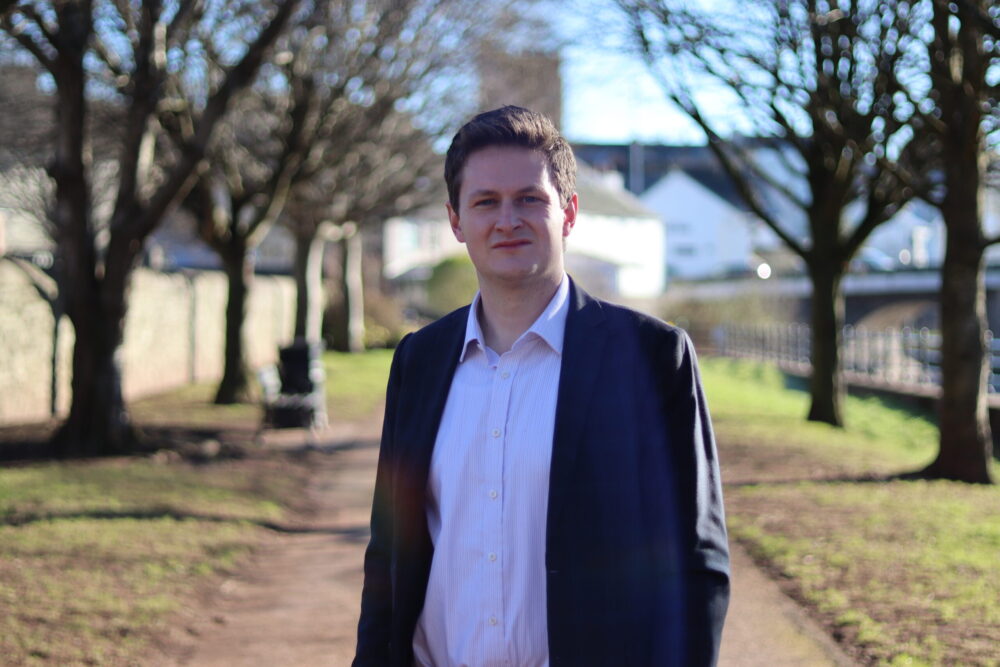
Addressing the party's Spring Conference, Liberal Democrat Westminster Spokesperson for Wales David Chadwick MP said that after 27 years of one-party Labour rule, Wales was "crying out not just for a change of government, but for a change in the way we are governed."
The Brecon, Radnor and Cwm Tawe MP argued that Labour's long tenure had allowed public services and economic opportunities to fall behind the rest of the UK, with NHS waiting times, wages and educational outcomes all lagging.
He warned that falling voter turnout and declining trust in politics were creating fertile ground for populist parties — and risked undermining faith in devolution itself.
"The greatest threat to devolution today is not those who oppose it," he said. "It is the failure of those who have taken it for granted. If we believe in devolution, then we must prove it can deliver for the people of Wales."
Chadwick also took aim at rival parties across the political spectrum. He criticised the Conservatives for abandoning responsible government in favour of what he described as divisive culture wars and warned that Plaid Cymru's focus on constitutional matters risked creating division without solving the everyday problems facing Welsh communities.
On Reform UK, he said the party was capitalising on legitimate frustration without offering serious solutions.
"When voters stop believing politics changes anything, when turnout falls and cynicism becomes common sense, democracy itself is weakened. Reform do not rise because Wales is naturally extreme. They rise because too many people feel ignored. They promise easy answers but they have no serious plan for Wales."
Setting out his party's alternative vision, Mr Chadwick said the Welsh Liberal Democrats would focus on restoring trust in government, strengthening local democracy and growing the Welsh economy.
He called for Wales to have powers equal to Scotland over areas such as rail infrastructure and the Crown Estate, and argued that the transition to green energy must create jobs rooted in Welsh communities.
"Wales has the coastline, the ports and the skills. The energy revolution is happening off our shores, and the jobs must be anchored in our communities. We should not be importing steel into Port Talbot to build wind turbines off our own coastline. That defies all logic."
He closed his speech by suggesting: "Reform offers anger. Labour offers complacency. Plaid offers grievance. The Welsh Liberal Democrats offer hope — hope rooted in realism, optimism grounded in responsibility and change built on community."
Consequential
The Senedd election in May is shaping up to be the most consequential in Welsh political history.
The most recent poll, published by More in Common on 6 March, shows Reform UK and Plaid Cymru level on 26% of the vote — with Reform down five points and Plaid up two since a previous poll on 10 February.
Labour sits in third place on 20%, while the Welsh Conservatives and the Green Party are tied on 10% each. The Liberal Democrats are on 7%.
Applying the D'Hondt model to those figures, More in Common projects Reform UK and Plaid Cymru each winning 28 seats, with Labour on 26, the Conservatives on 7, the Greens on 5 and the Liberal Democrats on 2.
That outcome would see the first non-Labour First Minister since devolution began in 1999, with Plaid Cymru likely leading a coalition government.
The Welsh Liberal Democrats currently have just one MS — party leader Jane Dodds.
Support our Nation today
For the price of a cup of coffee a month you can help us create an independent, not-for-profit, national news service for the people of Wales, by the people of Wales.
Get more trusted Welsh news
Choose Nation.Cymru as a preferred source in Google News to see more of our journalism.
