


News
Water boss considers 'bottling' Severn Tunnel spring water
Martin Shipton
The head of a global water treatment firm has offered to consider treating and bottling the 50 million litres of spring water that have to be pumped out of the Severn Tunnel daily to stop it from flooding.
Wayne Preece, the CEO of Hydro Industries, based at Llangennech near Llanelli, raised the issue during a discussion about water shortages and wastage on Times Radio.
Britain has experienced the driest and hottest Spring in more than 50 years, prompting fears of an impending water crisis.
Hydro Industries recently featured on Nation.Cymru for building the highest altitude waste water treatment facility in the world in just four months - safeguarding the river that runs through a World Heritage Site at Quito, the capital of Ecuador. Mr Preece said it had been the most challenging project the firm has been involved in since it was founded 15 years ago.
[mid-content-banner]
'Water usage'
On the issue of water shortage he told Times Radio: “Coming from Wales, living in Wales, and seeing the amount of rainfall we get, I think it's a shock to everyone that there's potentially going to be a water shortage. I think we’ve got to focus on our water usage.
“In Ecuador we recycle from landfill leachate hundreds of thousands of litres of water that we safely give back to the people, and they use it for tree planting and all sorts of stuff. We have to push our water utility companies to make sure that we protect our water and stop the pollution as well. It's really important.
“It feels like they’ve been sleeping at the wheel and now have suddenly realised, ‘oh my god, we are going to potentially run out of water’. We have climate change, and there is no denying that now. We can see it, you know, when we look out the window, literally. And we've got a growing population.
“I think we've got to stop the ‘buying time’ scenario which prevents governments or water companies from investing. Doing business in the UK as a water technology company, engaging with utility companies, is slow, it's ponderous. And eventually companies like us throw the towel in and just go where we can add the most value.
“Let me just give you one example of what I mean when I talk about government waste in Wales. We all know the Severn Tunnel and the Severn Estuary. Every day, 50 million litres of natural spring water gets pumped into the Severn Estuary to prevent the Severn Tunnel from flooding. If they didn't do that, the tunnel would flood in about 26 minutes.
“It’s enough water to supply almost the city of Newport that's next door to it. It’s water that is paid for by the taxpayers in Wales, and it's not even known about.
“If you want to pump the water, pump it somewhere and capture it and use it. That's not exactly creative or innovative. It's common sense and it's a simple practical measure.”
[lower-mid-content-banner]
'Captured'
After the discussion was broadcast, Mr Preece told Nation.Cymru: “Instead of just wasting the water, it should be captured, tankered and bottled. Maybe we’ll do it for them and bottle it - we would just need to check the commercials. Can it be done? Absolutely.”
The Severn Tunnel was built between 1873 and 1886 to dramatically decrease rail journey times between south Wales and the west of England,
Work proceeded smoothly until October 1879, at which point significant flooding of the tunnel occurred from what is now known as "The Great Spring". Through strenuous and innovative efforts, the flooding was contained and work was able to continue, albeit with a great emphasis on drainage. Structurally completed during 1885, the first passenger train was run through the tunnel on December 1 1886, nearly 14 years after the commencement of work.
Pumping engines
Despite greatly improving connectivity between Wales and England, the tunnel has presented especially difficult conditions, both operationally and in terms of infrastructure and structural maintenance.
On average, around 50 million litres of water per day infiltrates the tunnel, necessitating the permanent operation of several large pumping engines.
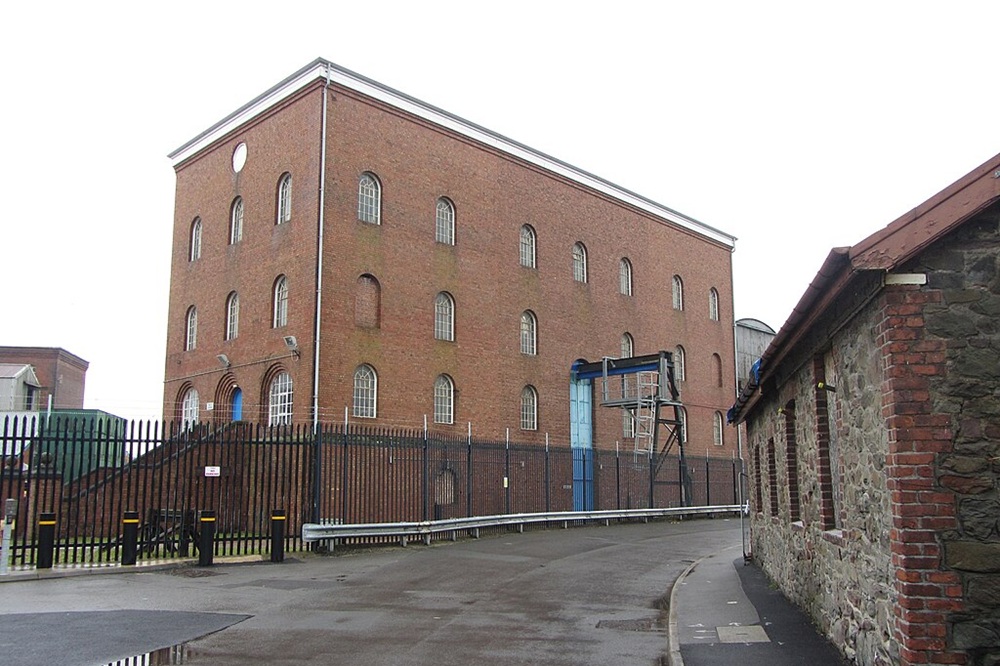
Currently the removal of water is undertaken by the state-owned Network Rail. The pumping station at Sudbrook in Monmouthshire that is used in the operation was refurbished in 2022.
Support our Nation today
For the price of a cup of coffee a month you can help us create an independent, not-for-profit, national news service for the people of Wales, by the people of Wales.
Get more trusted Welsh news
Choose Nation.Cymru as a preferred source in Google News to see more of our journalism.
