


Tue, 18th August Cardiff 19°
Nation.Cymru wordmark
Advertisement

News

Wales moves to 'prolonged dry weather' status
By Stephen Price
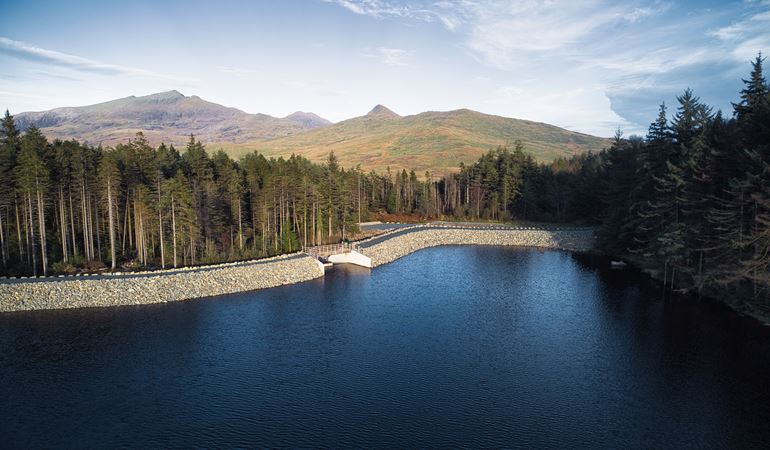
Llyn Llywelyn, Eryri. Image: NRW

Following the extended period of warm and dry weather, Natural Resources Wales (NRW) has today (22 May 2025) confirmed that the trigger thresholds have been met to move the whole of Wales from ‘normal’ into ‘prolonged dry weather’ status.

The decision is based on hydrological and environmental factors and concerns around the pressures high temperatures and lack of significant rainfall has placed on rivers, groundwater levels, wildlife and the wider natural environment across Wales.

Prolonged dry weather is a natural event which has become more likely as climate change accelerates. It occurs when rainfall is lower than expected for a sustained period of time resulting in low river, reservoir and groundwater levels as well as the drying up of land and soils.

Following an exceptionally dry March, which was the driest since 1944, April saw some notable rainfall in parts of Wales, but warm dry conditions returned in May.

The three-month (February-April 2025) cumulative Wales rainfall was 59% of that expected for that time of the year. This equates to one of driest three month equivalent periods on record.

As such, teams across NRW are reporting the majority of river flows are currently low or exceptionally low. Groundwater monitoring also confirms levels receding earlier than would usually be expected in the year.

[mid-content-banner]

Concerns

Teams on the ground are reporting concerns about the prolonged dry weather on the environment, including reports of dry riverbeds, algal blooms and concerns for salmon smolt and fish migration in low flows.

In recent weeks, wildfires have intensified in many areas of Wales and NRW officers are providing ongoing support to fire and rescue services to tackle multiple grass and wildfire incidents on the land that it manages.

Dŵr Cymru Welsh Water and Hafren Dyfrdwy are reporting some water levels in reservoirs are below where they would usually be at this time of year, but variation across their operating areas, reflecting where rain has fallen.

NRW fully supports their advice for people across the country to use water wisely and help to protect water supplies and the environment

[lower-mid-content-banner]

"Stepping up our actions"

Rhian Thomas, Sustainable Water and Nature Manager at NRW said: “While there is some welcome rain forecast for the weekend and into next week, it will take time and more significant rainfall for river and reservoir levels to recover from this prolonged hot and dry spell.

“Such a dry start to the year is causing considerable concern for the health of our ecosystems and habitats, as well as for land management and the agricultural sector. As such, we have taken the decision to move the whole of Wales into prolonged dry weather status.

“For us, this means stepping up our actions and monitoring across Wales to help mitigate the impacts on the environment, land, water users and people, and responding to environmental incidents.

“Our drought teams will continue to meet regularly to review the status, and will work closely with our partners to ensure we take appropriate action to reduce impacts on the environment and other water users across Wales.

“To ensure water can continue to be supplied without damaging the environment, the public and businesses across Wales are being urged to use water wisely and manage this precious resource.”

NRW’s decision to declare prolonged dry weather status was shared with the Wales Drought Liaison Group earlier today. The group is chaired by the Welsh Government and made up of senior decision-makers from NRW, the Met Office, water companies, Public Health Wales, farming unions and local authority representatives.

NRW is engaging closely with the Environment Agency in respect to the cross border catchments.

When enjoying the outdoors, they have reminded the public to be mindful that wildlife and ecosystems are under more stress. Members of the public should report any environment incidents to the 24/7 hotline on 0300 065 3000.

Some areas may also be at a higher risk of fires. If you see a wildfire, get to a safe place, call 999 and ask for the Fire Service.

For advice about dry weather and agricultural practices please visit Natural Resources Wales / Advice for farmers in periods of dry weather.

Waterwise’s website provides details on how to use water wisely. Wales’ water companies, Dŵr Cymru Welsh Water (DCWW) and Hafren Dyfrdwy (HD), also offer advice to customers on their websites on how to save water.

For the price of a cup of coffee a month you can help us create an independent, not-for-profit, national news service for the people of Wales, by the people of Wales.

Get more trusted Welsh news

Choose Nation.Cymru as a preferred source in Google News to see more of our journalism.

Choose Nation.Cymru as a preferred source in Google News

4 comments

Daniel Pitt

In the past week, the seas surrounding the UK and Ireland have seen temperatures soar to unprecedented levels, with some areas experiencing water temperatures as much as 4°C above the norm. This surge, particularly pronounced off the west coast of Ireland, as well as parts of Cornwall, Devon, and Wales, marks an alarming new chapter in the ongoing story of climate change. And while it may seem like a local phenomenon, the implications are global. According to the National Oceanography Centre and the Met Office, sea temperatures in April and early May have reached the highest levels recorded in the 45 years of monitoring. These soaring temperatures have sparked a marine heatwave, a phenomenon that is now becoming a more frequent and intense threat to the UK’s marine ecosystems. In one location, just off Tyne and Tees, sea temperatures are 5°C above average. This may seem like a minor change, but for marine life, it's a signal of profound disruption. Marine species adapted to cooler conditions are at risk, while others may thrive, leading to ecological imbalances that will have ripple effects across food chains and fisheries. The cause of this surge is by no means a mystery. Climate change is warming the oceans at an accelerating rate, leading to more frequent and severe marine heatwaves. Scientists expect 2025 to be one of the hottest years on record for air temperatures, and as our oceans absorb this heat, we’re witnessing the real-world consequences in real-time. The environmental toll on marine biodiversity is severe. The impact on fisheries and coastal economies could be catastrophic, with many of the species upon which we rely facing an uncertain future. The scale of this challenge cannot be overstated. We must understand that the marine heatwaves we're seeing today are a direct result of our failure to act quickly enough on climate change. But even as this crisis unfolds, it is not too late to prevent further damage. The solution lies in the same strategy that could help us mitigate the worst effects of global warming: reducing carbon emissions and committing to the ambitious but doable goal of achieving Net Zero. The UK government, alongside devolved administrations in Scotland, Wales, and Northern Ireland, must take immediate and decisive action to protect our seas and safeguard the marine life that depends on them. We need stronger policies and more effective measures to reduce carbon emissions. The climate science is clear; without urgent action, the frequency and intensity of marine heatwaves will continue to rise, further threatening marine ecosystems, coastal communities, and our economy. The Net Zero strategy offers a blueprint for the future, one that prioritises sustainability, renewable energy, and carbon reduction. But we must go even further. The Westminster government must not only meet its climate targets but exceed them, accelerating efforts to shift away from fossil fuels, promoting green technologies, and ensuring that our seas are safeguarded from further cumulative harm. Scotland, Wales, and Northern Ireland, too, must lead by example, setting ambitious goals for their own climate action plans and ensuring that the protections offered to their coastal environments are robust and forward-thinking. In addition to these efforts, we must also consider the essential role of marine conservation. The UK should invest more in the protection of marine ecosystems, creating new marine protected areas and ensuring that current protections are enforced. We need a truly holistic approach, one that recognises the interconnectedness of air, land, and sea, and addresses the root causes of the problem: unchecked emissions driving climate change and the degradation of our oceans. These steps are not only critical for the health of our seas but for the well-being of the people who rely on them, including the fisheries and tourism sectors. We can no longer afford to treat the oceans as an afterthought in our climate strategy. They are integral to the future of life on Earth. In a world increasingly shaped by the consequences of climate change, the UK has a responsibility to lead. The science is clear, the solutions are available, and the consequences of inaction are far too great. It’s time to take bold, meaningful action to cut harmful carbon emissions, protect our marine ecosystems, and safeguard our future. Our seas - and the people and creatures depending on them - are counting on us.

Reply
Brychan

Do you have any data to back up this claim? Some years the avergae sea temp is higher on the western approaches when we get a warm spring and other years it's colder that usual. The National Oceanography Centre for England in Southampton does not publish the data.

Reply
Daniel Pitt

Already supplied my sources in main text

Reply
Brychan

Why is Severn Trent Water and United Utilities on this "Wales Drought Liaison Group"? Surely you just send them an email saying "low rainfall, your free supply will now restricted".

Reply

Leave a reply

Replying to Daniel Pitt Cancel

Already supplied my sources in main text

Comments are reviewed before they appear.