


News
Volunteers collect 22 bags of litter on dog walk to protect animals
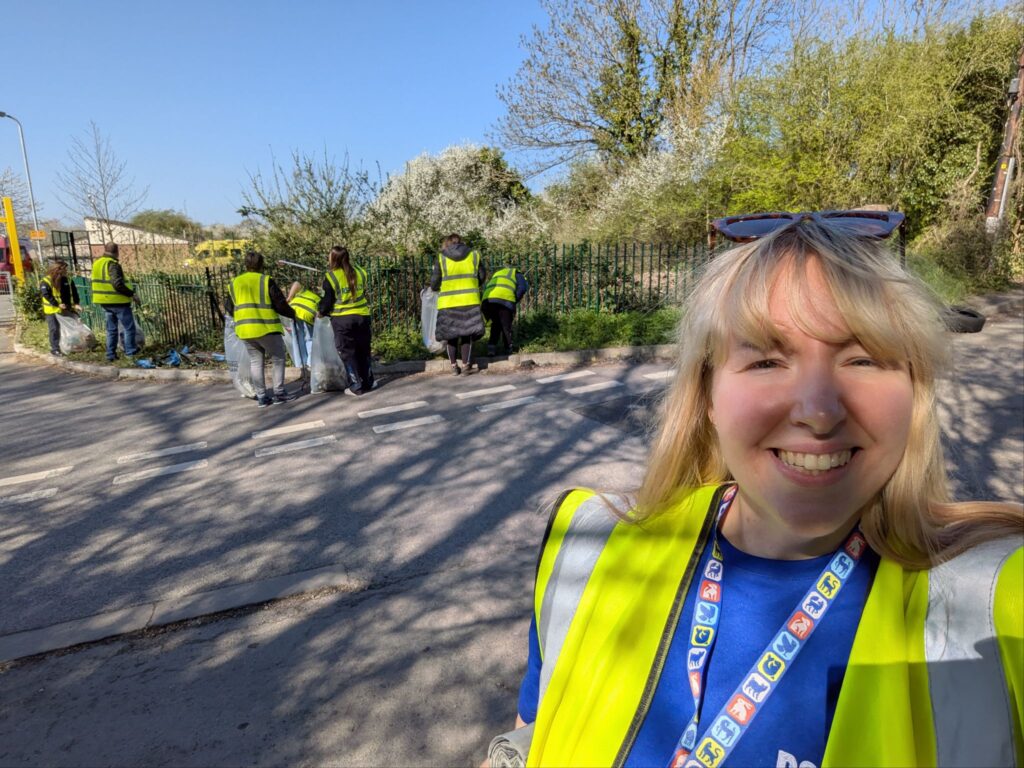
Beer bottles, nappies, vapes and crisp packets were among the litter found and collected as part of Keep Wales Tidy’s 'Spring Clean Cymru' in a bid to protect wild animals and pets.
In just one event, a team of RSPCA volunteers took part in a litter pick on Saturday 5 April meeting at RSPCA Newport Animal Centre on Hartridge Road and collected 22 bags of litter in only a few hours.
RSPCA Area Volunteer Support Partner Abby Hill said: “We’d like to thank everyone for getting involved in this litter pick - we had a fantastic turn out and to collect 22 bags of litter was a credit to everyone’s hard work.
“From the animal centre we went on the walk a lot of the dogs do from the centre - which took us through some woodlands. We found all sorts of litter from crisp packets, vapes, beer bottles, nappies, a pregnancy test box and cigarette butts, wire and golf balls.
“As well as collecting all these items we all enjoyed being part of a team and showing what can be achieved to help wildlife.”
Shocking data
Ahead of the Spring Clean Cymru the RSPCA released new data which revealed that it received a shocking 2,199 reports about animals affected by litter last year - with 121 in Wales.
There were more reports about foxes (160), deer (48) and hedgehogs (31) impacted by litter than any other mammals in 2024 across England and Wales. Amongst wild birds, reports about pigeons came top (516), followed by swans (445) and gulls (383).
The top counties in Wales for litter reports were Cardiff (20), Denbighshire (15),Swansea (12) and Conwy (12). There were two reports from Newport.
An RSPCA survey of animal lovers and supporters also cited the effects litter has on animals as top of their list of concerns about the potential problems carelessly discarded rubbish creates.
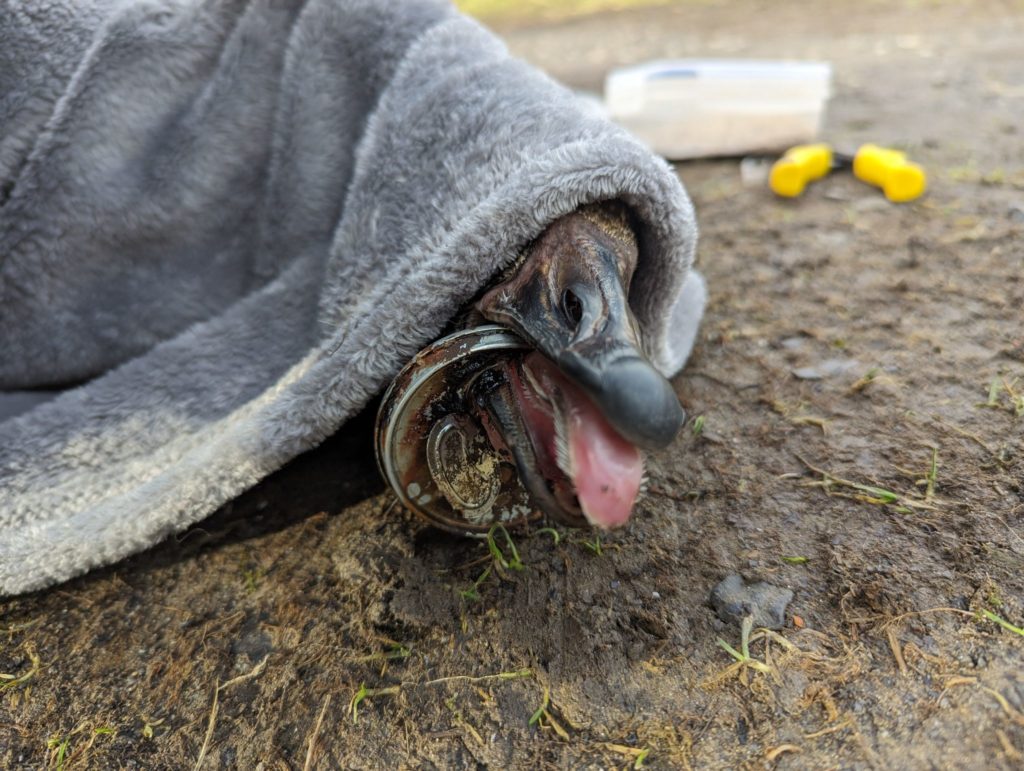
Three-quarters (74%) of those respondents identified harm to animals as their leading concern.The RSPCA’s frontline rescuers, volunteers, vets and rehab centres are seeing the consequences of carelessly discarded litter on our wildlife - including a goose with a can stuck on its mouth in Aberdare and a crow was rescued after becoming caught on a Swansea aerial due to a plastic bag that was wrapped around its left leg.
[mid-content-banner]
"Distressing"
The RSPCA’s Anti-litter Campaign Manager Carrie Stones said: “It’s distressing to see how our native wildlife is being affected by litter - our rescuers deal with so many avoidable incidents every year where animals have been impacted by litter.
“Old drinks cans and bottles, plastic items and even disposable vapes are just some of the items that pose a danger to our wildlife - including, more than any other mammals, foxes, deer and hedgehogs. Animals can ingest the litter or become entangled, leading to injuries, mutilations and even death.
“Sadly, for every animal we’re able to help there are probably many others that go unseen, unreported and some of our fellow living creatures may even be losing their lives.
“But the public can help us protect animals, and avoid these incidents happening in the first place.”
Carrie added: “Spring is an ideal time to go on a litter-pick because it falls before the breeding season when young animals such as fox cubs are at risk of getting into trouble - though please be mindful of nest-building birds. At this time, litter in hedges will be more visible to pickers before the vegetation really starts growing.
“But it’s also really easy for the public to help at all times of the year. When people are out and about, we urge them to hold on to their litter until there is an opportunity to dispose of it safely and responsibly - or recycle where appropriate. As we all strive to create a better world for every kind, this could save an animal’s life.““
[lower-mid-content-banner]
Angling litter
As well as everyday rubbish, the RSPCA also sees many animals arriving into its care with terrible injuries caused by angling litter such as discarded fishing line, hooks and plastic netting. Around 34% (751) of all litter-related calls to the RSPCA last year were about animals that had specifically become caught in fishing litter.
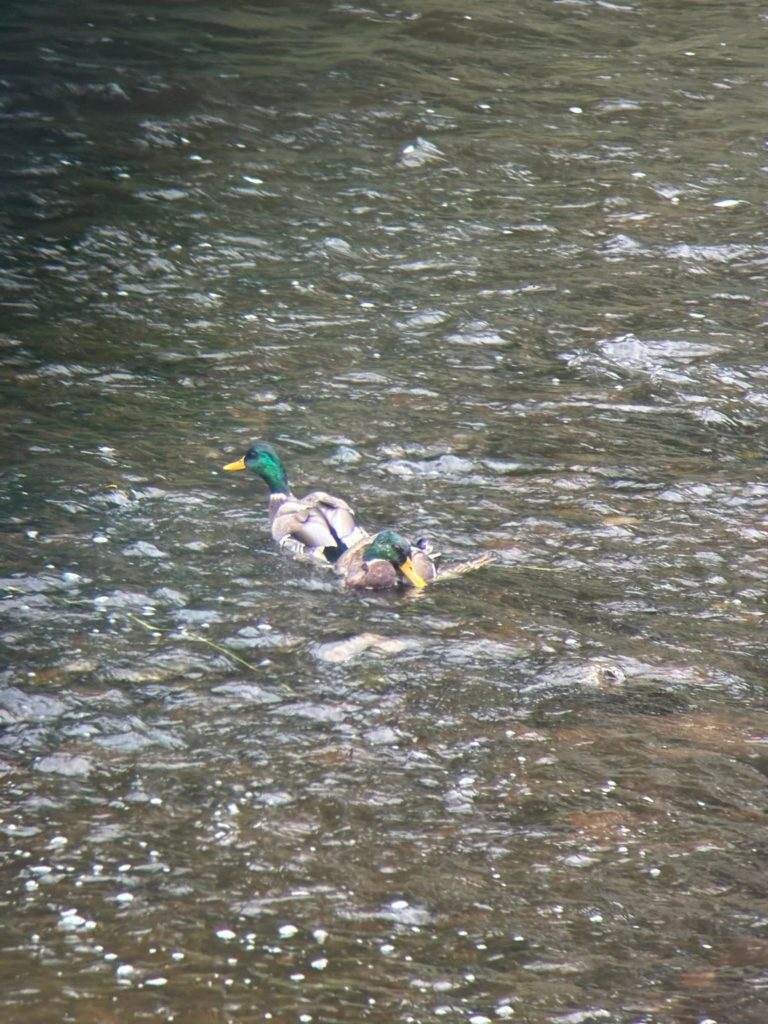
Carrie continued: “Old fishing lines can cut deep into the flesh of water birds like swans, geese and ducks, affecting circulation and causing wounds to become seriously infected. We even see birds that have swallowed barbed fishing hooks. These hazards can very quickly become a matter of life or death for them and action is urgently needed to tackle this problem head-on. It’s up to every one of us to do our bit in the war against litter.”
The RSPCA says a majority of anglers are careful when fishing - but a small number are letting the community down by not disposing of their waste properly and leaving animals in danger.
Carrie added: “The majority of anglers do dispose of their litter properly but it is frustrating that some don’t realise how dangerous it is to animals. Discarded line in particular is a terrible hazard for wildlife, particularly as it can be almost invisible.
“We strongly urge those who enjoy fishing to be extra cautious to make sure nothing is left behind. It only takes one piece of snagged line to be left in a tree or dropped near the water to endanger the life of an animal. We ask anglers to follow the Angling Trust Anglers Against Litter campaign and make use of recycling schemes to dispose of their waste tackle.”
The RSPCA is also warning that discarded biodegradable food litter also poses dangers - putting many animals at risk of road traffic collisions.
Carrie said: “Many will be surprised that biodegradable food litter can be as dangerous to animals as other litter. If an apple core or fruit peel is thrown from a passing vehicle or discarded by the roadside, it can attract many kinds of wildlife - from mammals to birds - and put them in danger of passing vehicles.”
To get help for a small sick or injured animal as quickly as possible, the RSPCA’s advice is to take it to a vet. There is more information online. Every time a wild animal is helped by the public it frees up our vital specialist rescuers to reach animals suffering heartbreaking cruelty and neglect, a job no other charity does.
If you are interested in volunteering for the RSPCA, there are a number of roles currently available in the Newport area, from cat fostering and community fundraising volunteers. RSPCA Newport Animal Centre is also looking for a volunteer gardener. You can find more on the website.
Support our Nation today
For the price of a cup of coffee a month you can help us create an independent, not-for-profit, national news service for the people of Wales, by the people of Wales.
Get more trusted Welsh news
Choose Nation.Cymru as a preferred source in Google News to see more of our journalism.
