


News
Voluntary sector in Wales facing 'perfect storm'
New research has revealed mounting pressure on Wales’ voluntary sector, with rising demand, worsening finances and growing reliance on reserves threatening the long-term sustainability of charities and community organisations.
The latest Baromedr Cymru findings from the Wales Council for Voluntary Action (WCVA) paint what the organisation describes as a stark picture of the challenges facing the sector.
The survey, carried out in November 2025 and February 2026, gathered responses from more than 200 voluntary organisations across Wales. Generating income remains the single biggest concern, cited by 81% of respondents in the most recent wave and 90% in the previous survey.
Two-thirds of organisations say their financial position has worsened due to rising costs, while almost half report dipping into reserves simply to maintain day-to-day operations. Although most organisations still hold some reserves, 45% are currently using them, and more than one in five have three months’ cover or less remaining.
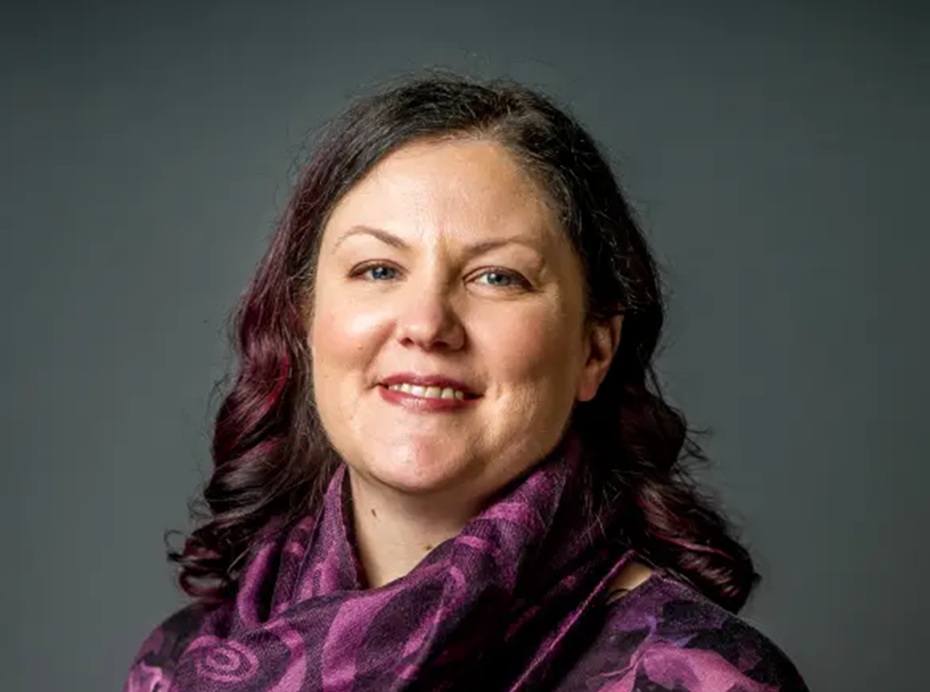
Dr Lindsay Cordery-Bruce, Chief Executive of WCVA, said the sector was facing “a perfect storm”.
“These findings show a sector under intense strain,” she said.
“Rising demand, rising costs and insufficient funding uplifts are combining to create a perfect storm. We continue to hear how organisations are doing everything they can to support people and communities, but many are now operating without the safety nets they once relied upon.”
Demand for services continues to grow. In the latest survey, 63% of organisations reported increased demand in the previous three months, and more than two-thirds expect demand to rise further in the months ahead. More than a third say they are already unable to meet current levels of need.
Workforce pressures are also intensifying. Difficulties recruiting volunteers have increased sharply, with more than half of organisations now reporting problems.
Retention challenges are also rising, with many charities relying on existing volunteers to take on additional hours to compensate for staffing gaps or reduced budgets.
Funding structures
Funding structures are cited as a key part of the problem. While most organisations include full costs in funding applications, only 30% say funders consistently cover those costs when grants are awarded. Multi-year funding remains rare, with just 9% reporting that public funding is provided on a longer-term basis most or all of the time.
Dr Cordery-Bruce said systemic change was needed.
“These issues can’t be resolved by organisations working harder alone. We need a funding environment that reflects real costs, keeps pace with inflation, and provides long-term certainty.”
Support our Nation today
For the price of a cup of coffee a month you can help us create an independent, not-for-profit, national news service for the people of Wales, by the people of Wales.
Get more trusted Welsh news
Choose Nation.Cymru as a preferred source in Google News to see more of our journalism.
