


News
Train passengers face ‘further misery’ as fares rise by 4.6%
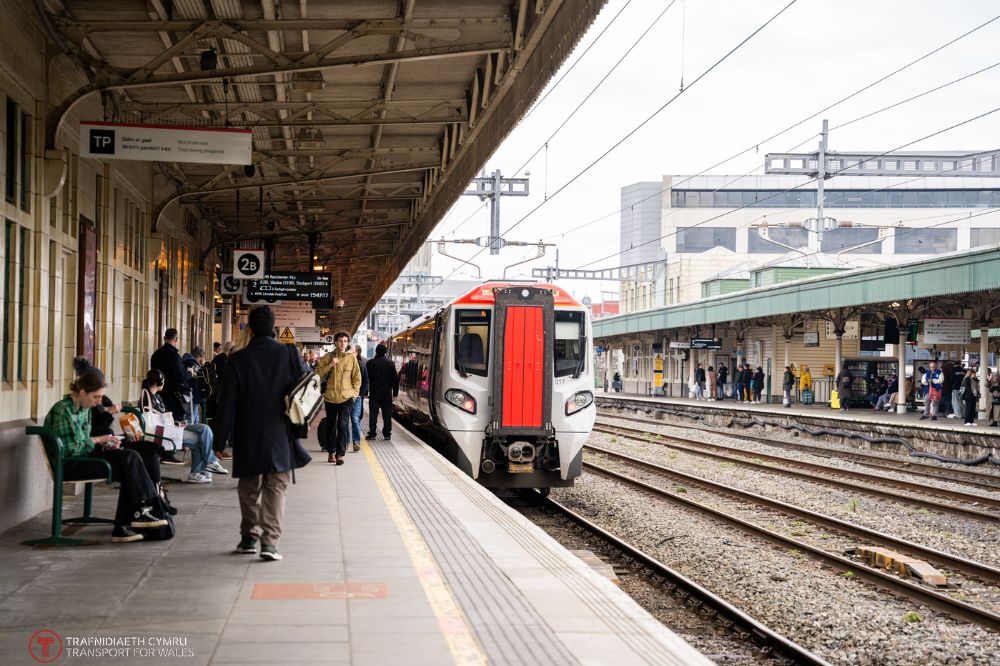
Train fares in England and Wales will rise by around 4.6% from Sunday, while railcards become more expensive.
Public transport campaigners warned the fares increase will “pile further misery on hard-pressed households” as many commuters will have to pay hundreds of pounds more per year for travel.
The UK Government set the cap of 4.6% for England’s increases in regulated fares, such as season tickets on most commuter journeys, some off-peak return tickets on long-distance routes, and flexible tickets for travel around major cities.
The Welsh Government matched the Westminster administration’s cap on rises in regulated fares while Transport for Wales is applying various increases to its unregulated fares.
The Scottish Government will increase all ScotRail fares by 3.8% from April 1.
Operators set rises in unregulated fares, although these are also likely to rise by around 4.6% as their finances are closely controlled by governments.
[mid-content-banner]
Railcards
Railcards in Britain – excluding those specifically for disabled passengers – also become more expensive for the first time since 2013 from Sunday.
The price of a three-year card rises from £70 to £80, while a one-year card increases from £30 to £35.
Michael Solomon Williams, of lobby group Campaign for Better Transport, said: “With food and energy costs going up, today’s rail fare rise will pile further misery on hard-pressed households.
“Cost is the number one barrier to getting more people travelling by rail, so the Government must address the rising cost of train travel as part of its forthcoming rail reforms.”
He warned that support for a publicly owned railway “all but vanishes if fares were to continue to increase”.
[lower-mid-content-banner]
Mismatch
Alex Robertson, chief executive of watchdog Transport Focus, said: “Our research shows there is a clear mismatch between ticket prices and the service people receive. This needs to change.”
He admitted a “difficult balance” must be struck between funding the railways through taxes and fares, but passengers “rightly expect… to see improvements for the money they have paid”.
A spokesperson for the Rail Delivery Group, which represents operators, said: “The money people pay for their train tickets keeps services running and helps to fund important improvements.
“Sometimes the reliability of these services falls below expectations, and we are determined to fix that.”
Recent data from the Office of Rail and Road (ORR) shows significant improvements in Transport for Wales’ (TfW) rail services, with notable gains in punctuality, reliability, and customer satisfaction.
The figures, which cover the period from April to June 2024, indicate that TfW has made the largest progress among UK train operators in several key performance areas.
Punctuality
The ORR data reveals that TfW achieved an 8.1% improvement in punctuality, the highest improvement of any UK train operator compared to the same period in 2023. This was also coupled with a 3.2% reduction in cancellations, a reflection of improvements in service reliability.
Figures from Transport Focus also showed a rise in overall customer satisfaction with TfW services. The data, collected between June 28 and September 15, 2024, showed that 88% of customers expressed satisfaction with their experiences, representing a 16% increase over the past 12 months.
In 2023, Transport for Wales was the worst ranked rail operator for overall customer satisfaction in Britain, according to the Rail User Survey conducted by Transport Focus.
Support our Nation today
For the price of a cup of coffee a month you can help us create an independent, not-for-profit, national news service for the people of Wales, by the people of Wales.
Get more trusted Welsh news
Choose Nation.Cymru as a preferred source in Google News to see more of our journalism.
