News
Solar plant 'would wreck Gwent Levels and destroy a village'
Martin Shipton
A proposed solar power station on the protected wetland landscape of the Gwent Levels would have a devastating impact on a site of special scientific interest and destroy the rural character of a village forever, according to campaigners.
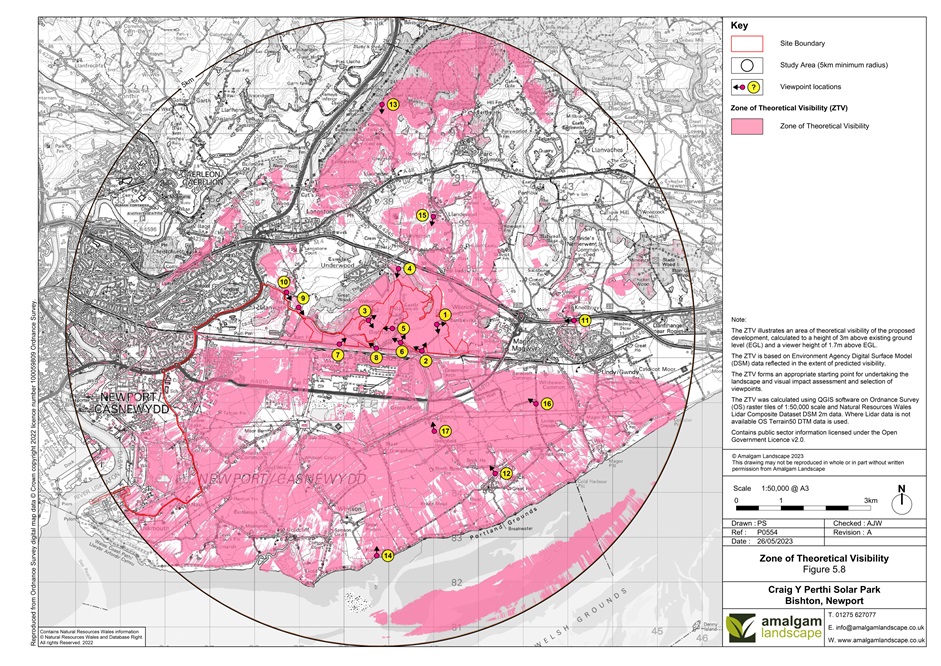
Developers JBM Solar, part of the giant RWE group, say the Craig y Perthi Solar Plant would be able to meet the equivalent energy needs of 45,374 Welsh homes and save over 3,180,000 tonnes of CO2 - the equivalent of planting more than 52 million trees.
[mid-content-banner]
Consultation
But in a consultation submission, Cardiff Civic Society (CCS) has objected to the plant on multiple grounds.
The scheme is seen as a development of national significance, and the decision on whether it should go ahead will therefore be taken by the Welsh Government.
The CCS submission states: “A significant portion of the proposed development is in the Redwick and Llandevenny Site of Special Scientific Interest (SSSI). The scale, design and location of the proposed solar power station is designed to extract the maximum profit from the area, with no concern for the impact of such a huge development on the landscape, habitat, nature or local communities.
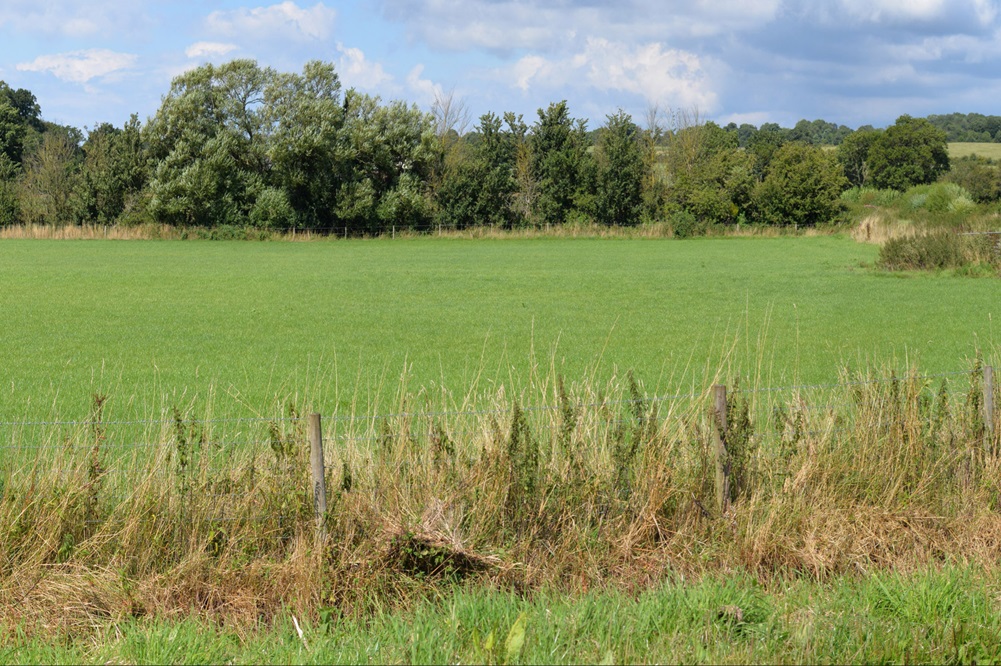
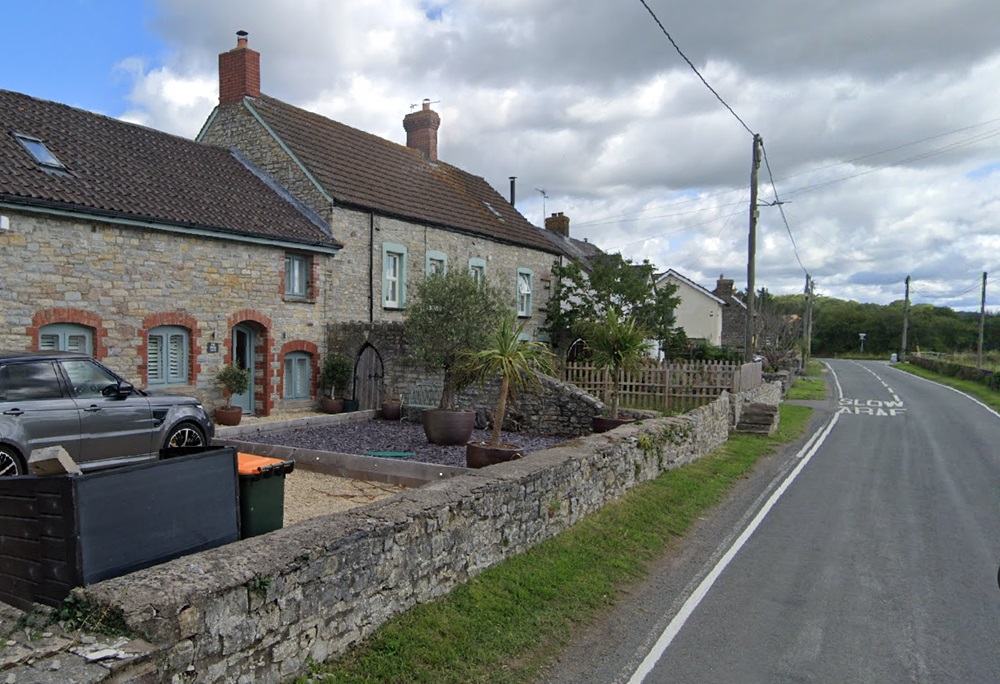
“The negative impact on the village of Bishton is immense, and will change the rural character of this community forever. The impact on the Redwick and Llandevenny SSSI is potentially devastating.
"PPW [Planning Policy Wales] 12 – the latest version of Welsh Government planning policy - recognises that development adjacent to a SSSI can have a negative impact on the SSSI. In the case of the Redwick and Llandevenny SSSI it is very clear that adjacent development would have an impact, as the features of the SSSI include elements which are not fixed in one place and would therefore be impacted by contiguous and neighbouring habitats.
"These include water quality in the reens and ditches, as well as invertebrates and pollinators such as the shrill carder bee. This means that for the purposes of protection of the SSSI which forms part of the proposed development, it is necessary to recognise the impact of the entire site on the SSSI.
“Furthermore, this development could impact on a further eight SSSIs within the zone of influence of the solar plant. These are: Whitson, Nash and Goldcliff, Magor and Undy, Newport Wetlands, Magor Marsh, Penhow Woodlands, River Usk, Severn Estuary. The likely impact of the development on these other SSSIs should have been taken into account by the developer. If there is any possibility that any of these SSSIs could be adversely impacted by the development, then the precautionary principle should prevail and the development should not be recommended.
“The developer appears to have failed to grasp the most recent Welsh Government planning policy on SSSI protection and fails to acknowledge the significance of the adverse impacts and the existence of evidence that their mitigation approach is profoundly flawed.
“The new PPW 12 Chapter 6 does not allow for developers to assess their negative impacts on the ecology of a SSSI as ‘not significant,’ assume that mitigation will make them negligible and then proceed with a development. PPW 12 Chapter 6 does not allow for any development in a SSSI unless it is for the purpose of managing the SSSI. Only in ‘wholly exceptional circumstances’ and where development is appropriate and there is broad and clear agreement for mitigation and enhancement as part of a development plan should development be proposed. The bar is now much higher than when this development was first conceived.”
Different sites
The submission goes on to state that a solar farm can be situated in a number of different sites, with no need for it to be located in the Gwent Levels, an area of international importance to biodiversity: “The Redwick and Llandevenny SSSI and its environs, along with the other six SSSIs within its zone of influence, form part of the Gwent Levels National Natural Resource Management Area as outlined in Future Wales. Welsh Government policy demands that they should be protected.
“The results from post-construction monitoring of the Llanwern solar plant show that the promises of mitigation on an almost identical development in an almost identical habitat have not been realised. Real and significant harm has been caused to habitats and many species, including the red-listed lapwing.
“The Craig y Perthi developer is not taking this into account – either because they are unaware of it (which is unlikely) or because the reality of what has happened in Llanwern does not suit their narrative. The developer continues to assert that mitigation will reduce or remove adverse impacts. There is no basis for this assertion in any empirical evidence from post-construction monitoring of other solar farms in similar habitats - at least none that the developer has cited. Mitigation is a myth.”
Troubling
CCS goes on to highlight what it describes as “troubling assertions” in the proposal:
* By adopting the following secondary mitigation, significant adverse impacts can be avoided.
CCS states: “]The new planning policy] does not allow for any adverse impacts in a SSSI. The developer may be working from … other, older Welsh Government planning policy documents when they talk about significant adverse impacts. But PPW 12 is the current policy document which should determine this development and it is very clear that development in a SSSI – or developments that may have an impact on a nearby SSSI – must be avoided unless the development is for the management of the site. If there is any chance of adverse impacts then a development must not go ahead.
* Residual effects are not likely to be significant
CCS states: There is no basis for this statement from any real-life post-construction monitoring of solar farms in similar habitats.
* Assuming all mitigation … is implemented, adverse residual impacts on the ornithological interest of the application area will be limited to the displacement of breeding and wintering lapwing and wintering snipe.
CCS states: ‘[Limited] to the displacement of breeding and wintering lapwing’ is a profoundly significant admission. Lapwing are a red-listed species. A recent survey discovered 14 nesting sites for lapwing. This is of national significance. Any displacement of breeding sites cannot be dismissed in this way. Llanwern has shown us that compensation sites for lapwing don’t work, with inevitably disastrous consequences for the lapwing population.
* Good construction and operational precautions will manage the risk of soil compaction, spills and pollution incidents, which are likely to be very low frequency given the site use and activities.The significance of the construction on pollution is therefore considered to be minor to moderate adverse.
Pollution
CCS states: “Any pollution of water, either on the SSSI or adjacent to it, cannot be permitted as it could severely impact the core feature of the SSSI. The long-term effects of run-off from the solar panels over the 40 year life of the scheme are currently unknown, and the assumption that the adverse effect would be minor to moderate has no basis in reality and appears to be little more than wishful thinking.
CCS concludes: “[The application] makes sweeping and generalised statements about the likelihood of adverse impacts. The real-life experience of Llanwern shows us that a solar farm on a fragile and complex wetland causes negative impacts. Currently, Llanwern has been refused a partial discharge of conditions for this very reason, and the developers have been tasked with finding contingencies to reverse the damage they have caused. No contingencies have yet been offered, as probably there are none.
“Taken in conjunction with PPW 12’s clarity on the presumption against any development in a SSSI, the likelihood that the construction and 40-year operational period of the scheme would give rise to adverse impacts on the Redwick and Llandevenny SSSI and its features means that the only reasonable course of action is to recommend that the development be refused.”
Support our Nation today
For the price of a cup of coffee a month you can help us create an independent, not-for-profit, national news service for the people of Wales, by the people of Wales.
Get more trusted Welsh news
Choose Nation.Cymru as a preferred source in Google News to see more of our journalism.