


News
Salmon and sea trout numbers continue to decline in Wales despite conservation efforts
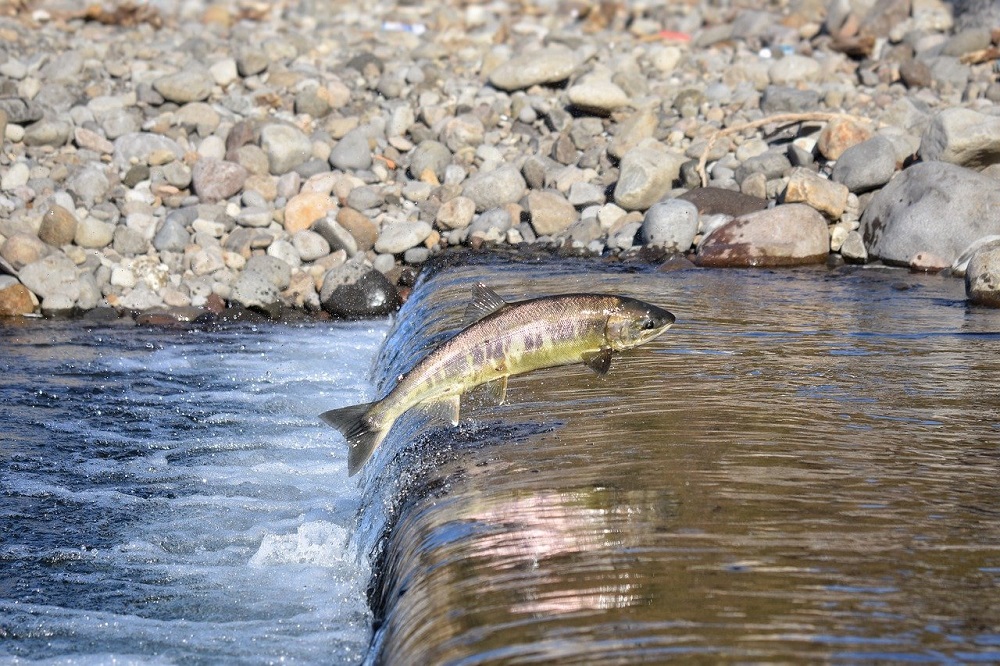
The latest data published by National Resources Wales (NRW) has confirmed a further decline in the number of salmon and sewin found in Welsh rivers.
NRW’s latest salmon stock assessments reveals that last year Wales recorded the lowest catches of both salmon (252 nets, 848 rods) and sea trout (610 nets, 5,669 rods) since consistent records began in 1970s.
This represents a 4% decline from the previous year, but more worrying highlights an approximately 70% decline over the past ten years.
All 23 Principal salmon rivers in Wales are now categorised as being “At Risk”.
[mid-content-banner]
Environmental quality
Ben Wilson, principal fisheries advisor for NRW, said: “Salmon, and their close cousins sea trout (sewin) are iconic and highly prized species in Wales. Their need for cool, clean and healthy freshwater and marine habitats makes them key indicators of environmental quality of our waters, as well highlighting the impact that climate change is having on the aquatic environment.”
“Last year Atlantic salmon were reclassified by the International Union for Conservation of Nature from ‘Least Concern’ to ‘Endangered’ in Great Britain as a result of a 30-50% decline in British populations since 2006.”
[lower-mid-content-banner]
Concerted efforts
The decline has continued despite concerted efforts to protect habitats and conservation efforts made by both rod and net fishers. Conservation byelaws passed in 2020 require all net and rod caught salmon to be returned unharmed.
As a result, salmon returning to Welsh rivers have contributed an estimated 8 million eggs over four years and returned fish contributed about 6% of the total estimated egg deposition in Wales in 2023, providing invaluable support in arresting the decline of wild populations.
Sea trout stocks, which were previously considered more robust, are also showing significant levels of decline.
Wales has 33 main sea trout rivers, 30 (91%) were classed as “At Risk” while only three (9%) of these are deemed to be as “Probably at Risk”, No rivers in Wales are deemed to be “Not at Risk”.
All Welsh stocks are now in serious trouble and at risk of failing to maintain sustainable populations in the future.
Extremely worrying
Mr Wilson added: “These latest figures are extremely worrying and indicate that many stocks are now in serious trouble and are at risk of failing to maintain sustainable populations in the future.
“Of all the pressures faced by Atlantic salmon and sea trout, climate change impacts in freshwater and at sea appear to be having a devastating effect on stocks, as both our seas and rivers warm up.
“While this is a clear indication that society needs to redouble its efforts to address climate change, our best hope for salmon and sea trout is to tackle the many other factors that we can control.
“We must provide them with cool, clean water in our rivers and continue to address issues like water quality, dams and barriers, exploitation, and invasive non-native species.
“These declines are replicated in most other countries across the North Atlantic distribution of salmon and their European range, where populations have declined over the past few decades.”
Support our Nation today
For the price of a cup of coffee a month you can help us create an independent, not-for-profit, national news service for the people of Wales, by the people of Wales.
Get more trusted Welsh news
Choose Nation.Cymru as a preferred source in Google News to see more of our journalism.
