


News
Reeves faces Budget ‘groundhog day’ without bold action, says IFS
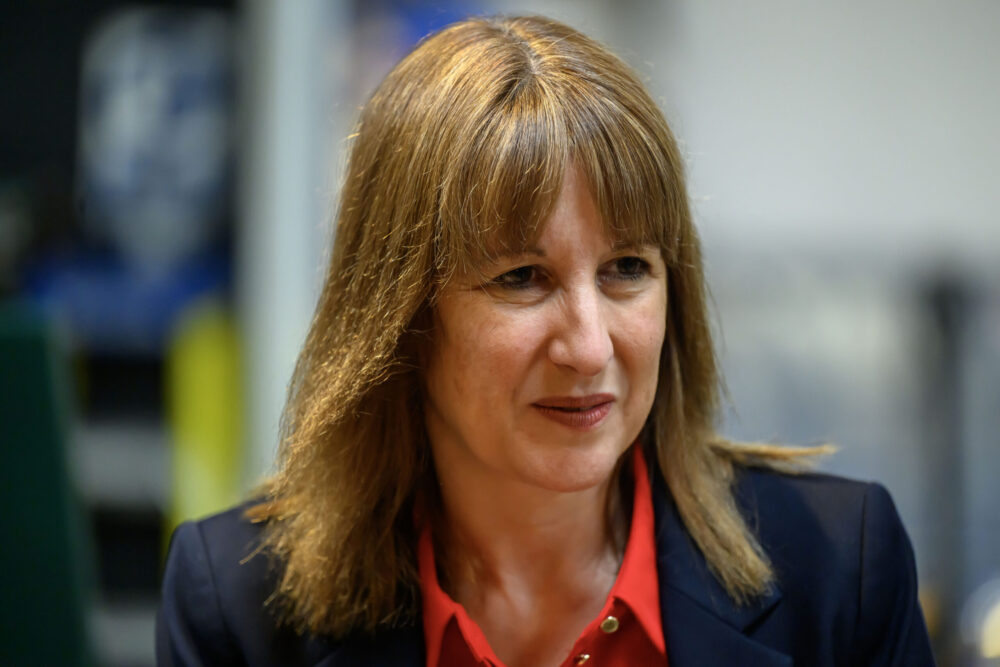
Rachel Reeves needs to be “bold” when she delivers her Budget or face “groundhog day” with more cuts or tax rises next year, a think tank has warned.
The Institute for Fiscal Studies (IFS) said it expected the Chancellor would need to find at least £22 billion next month, thanks to rising borrowing costs, weaker growth forecasts and spending commitments made since the spring.
That figure would restore the £10 billion of headroom Ms Reeves previously left herself against her self-imposed debt rules, although it does not include the cost of widely expected announcements on abolishing the two-child benefit cap and maintaining the freeze on fuel duty.
[mid-content-banner]
Buffer
But the IFS said there was a “strong case” for the Chancellor to go further, arguing that a £10 billion buffer was not enough to ensure stability and would leave her “limping from one forecast to the next”.
IFS director Helen Miller said: “For Rachel Reeves, the Budget will feel like groundhog day.”
She added that the situation was “to a large extent” of the Chancellor’s own making, after choosing to “operate her fiscal rules with such teeny tiny headroom” that left her exposed to “run-of-the-mill forecast changes”.
The IFS said implementing a larger fiscal consolidation in November would be “the most straightforward route” to avoiding similar challenges in future years.
It acknowledged that achieving consolidation through spending cuts would “pose challenges” due to a lack of parliamentary support for welfare cuts and the fact departmental budgets were only agreed in June.
But tax increases are also far from simple, with Labour’s manifesto ruling out increases to income tax, national insurance or VAT.
[lower-mid-content-banner]
Property taxes
Ms Miller suggested it would be possible to raise the required sums from changes to property taxes and levies such as capital gains tax or inheritance tax, but added these were “badly designed” and could harm growth.
The IFS also warned against seeking “large sums from a small number of taxpayers”.
Instead, the think tank said the Chancellor “should be bold” and reform the tax system to be “more rational” and impinge less on economic growth.
Her comments come alongside the publication of the IFS’s annual “green budget” setting out the challenges facing the Chancellor ahead of the Budget each year.
The green budget also includes analysis from Barclays, which suggests that unemployment could rise to 5% in 2026 amid slowing growth and above-target inflation.
Jack Meaning, chief UK economist at Barclays, said: “With the right policy decisions, this near-term challenge can be navigated toward a more favourable medium-term outlook.
“If the Chancellor can avoid delivering an inflationary Budget, headline price growth should ease significantly in the coming months, allowing the Bank of England to cut interest rates further and support households and businesses in driving more balanced economic growth.”
Support our Nation today
For the price of a cup of coffee a month you can help us create an independent, not-for-profit, national news service for the people of Wales, by the people of Wales.
Get more trusted Welsh news
Choose Nation.Cymru as a preferred source in Google News to see more of our journalism.
