


News
Reeves denies UK on path to austerity as she confirms 15% Civil Service cuts
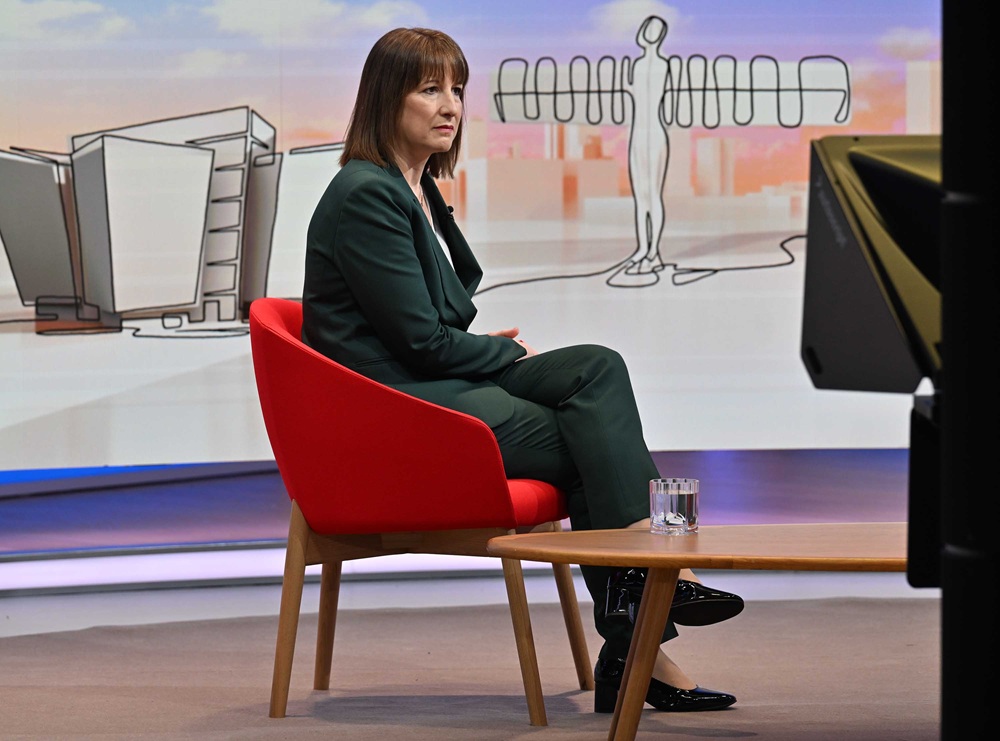
Rachel Reeves has denied that Labour is heading towards austerity as she confirmed plans to cut Civil Service running costs by 15%.
The Chancellor pointed to money poured into capital spending and the NHS, saying the Government’s actions were a “far cry” from those of their Conservative predecessors.
At the same time, she said Labour was looking to cut back the Civil Service, which she said had swelled during the Covid-19 pandemic, by slashing its “back office functions, the administrative and bureaucracy functions” by the end of this parliament.
It comes after a backlash, including in the party’s own ranks, to cuts to welfare spending and a decision to slash the aid budget to fund a boost to defence spending, and ahead of the Chancellor’s spring statement on Wednesday.
Ms Reeves was asked about some people on the left of the party who think she is “wielding the axe” and fear that Labour austerity is on the table.
[mid-content-banner]
Capital spending
She told the BBC’s Sunday with Laura Kuenssberg: “Last year, I put £100 billion more into capital spending than the previous government had committed to, we put more than £20 billion into the National Health Service.
“That is a far cry from what we’ve seen under Conservative governments in the last 14 years.”
She said any budgets to unprotected departments, such as the Ministry of Justice, would be set out in the spending review in June.
“We’ll set all that out when we do the spending review, but we can’t just carry on like we have been spending on the same things that the previous government spent on.
“People want to know we’re getting value for money, when people are paying more in tax that they’re getting more in return.”
She also said that anyone who runs a business will agree that plans to cut Civil Service costs will be “more than possible” given advances in technology and AI.
[lower-mid-content-banner]
Administrative budgets
The Cabinet Office will tell departments to cut their administrative budgets by 15%, which is expected to save £2.2 billion a year by 2029-30.
“We are, by the end of this Parliament, making a commitment that we will cut the costs of running government by 15%,” Ms Reeves said.
Ms Reeves said the size of government “increased massively” during the pandemic.
“But the size of the Civil Service hasn’t come back during that period. So, we now need to make sure that we do realise those efficiency savings so we can invest in the priorities.”
She said the cuts would come from “the back office functions, the administrative and bureaucracy functions”.
Union bosses have argued there is no simple distinction between the “back office” and the “front line”.
Realistic assessment
Mike Clancy, general secretary of Prospect, said: “The Chancellor has talked about undertaking a zero-based review of spending, this must include a realistic assessment of what the Civil Service doesn’t do in future as a result of these cuts.
“Public servants in ‘back office’ and ‘frontline’ role will both be critical to delivering on the Government’s missions and the Government must recognise that many civil servants are working in ‘frontline’ roles.”
Looking ahead to the spring statement, Ms Reeves said she would not pre-empt the Office for Budget Responsibility’s forecast she will be responding to.
“But the world has changed,” the Chancellor told Sky News’ Sunday Morning with Trevor Phillips.
“We can all see that before our eyes and governments are not inactive in that – we’ll respond to the change and continue to meet our fiscal rules.”
The Chancellor has repeatedly said she will not budge from her fiscal rules, which rule out borrowing to fund day-to-day spending.
This has led to mounting pressure over how to balance the books – by raising taxes or cutting spending – amid disappointing growth figures and higher-than-expected borrowing.
She told The Sun she would not be raising taxes in the spring statement.
Growth forecast
The Bank of England has reduced its forecasts for growth this year and Ms Reeves was dealt a fresh blow on Friday as figures showed that Government borrowing had soared past forecasts in February at £10.7 billion – £4.2 billion more than had been forecast by the OBR.
An impact assessment for welfare cuts is due to be published alongside the Chancellor’s statement.
Experts estimate that around a million people in England and Wales will lose their disability benefits as part of a welfare overhaul that the Government believes will save more than £5 billion a year by the end of the decade.
Ms Reeves told the BBC the benefits bill is “through the roof” and people are “locked out of work”.
“I want to change that and give more people the dignity and pride that comes from work through proper support to get there,” she said.
PIP
Shadow chancellor Mel Stride said the Conservatives would have gone even further with welfare changes and undertaken a “fundamental overhaul” of personal independence payments (Pip) to make them “more targeted”.
He told Trevor Philips: “What it means is that if you were on Pip, for example, and you had a mental health condition, a reformed Pip would quite possibly say ‘Trevor, rather than giving you amounts of money every year, we will actually provide you with treatment that will help you, and in particular help you, for example, if you’re not in work, to get into work’.
In a statement, Mr Stride said Labour was “totally out of touch “with the reality facing families across the country.
“Business confidence has collapsed, growth has been killed stone dead, firms are slashing jobs and their borrowing splurge has pushed up mortgages for families.
“This is not bringing back stability to the economy, it’s deeply damaging it, and families are paying the price for the Chancellor’s poor decisions.”
Support our Nation today
For the price of a cup of coffee a month you can help us create an independent, not-for-profit, national news service for the people of Wales, by the people of Wales.
Get more trusted Welsh news
Choose Nation.Cymru as a preferred source in Google News to see more of our journalism.
