


News
New research reveals how non native snakes have survived in north Wales
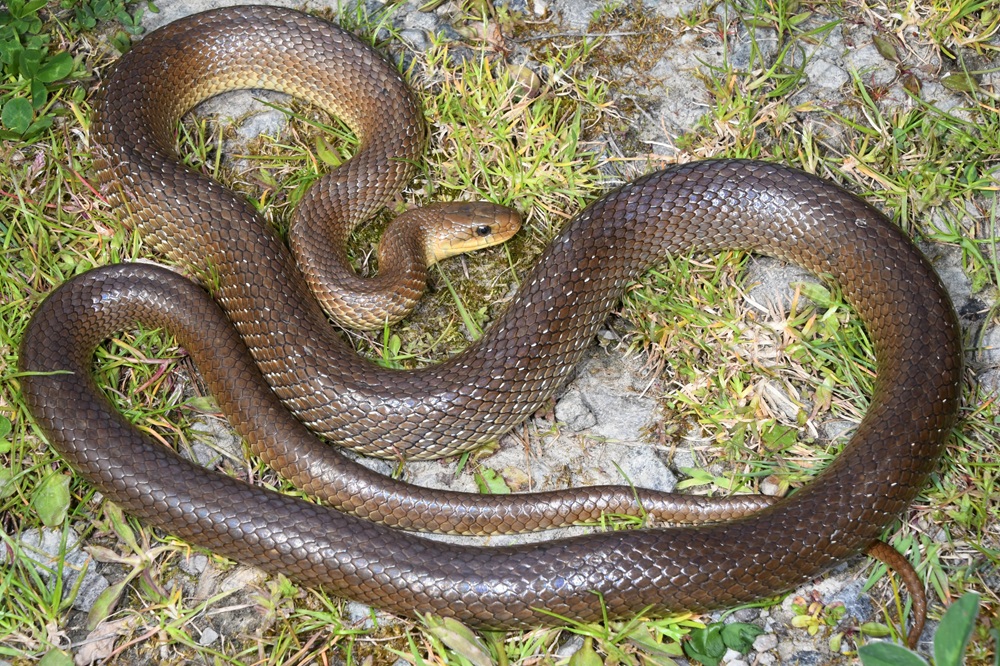
A new study by Bangor University in collaboration with the Welsh Mountain Zoo has shed light on how the Aesculapian snake (Zamenis longissimus) has successfully established itself in North Wales after escaping from captivity in the 1960s.
This is despite finding themselves in a region further north than any remaining natural populations, which are found in central and southern Europe.
The research, conducted over two years, radio-tracked 21 snakes daily across two active seasons. The findings revealed that these non-native snakes adapt well to human environments.
[mid-content-banner]
Buildings
Males showed a strong preference for buildings, while females favoured woodland areas, although they do make use of buildings too.
Male snakes, being larger, had slightly larger home ranges than females, averaging 29 hectares, while females averaged 23 ha, with a hectare about the size of a rugby pitch.
Despite their presence in Colwyn Bay, these snakes have not been observed elsewhere, except for a second population on the Regents Canal in London, which has existed since the 1980s.
[lower-mid-content-banner]
Extinct
Aesculapian snakes were native to the UK but went extinct approximately 300,000 years ago.
The non-venomous reptiles are completely harmless, and generally popular with local people.
Dr Tom Major, who carried out the work while at Bangor University, said, “Aesculapian snakes are a novel addition to our fauna, being larger than any of our native snake species. Using buildings for shelter is a valuable strategy for an animal that faces a cool climate and numerous threats including domestic cats and a variety of native predators such as stoats and buzzards.
"Whether they will persist in Wales is uncertain, as the population is hemmed in by roads and housing developments, but for the time being they seem to be thriving.”
Understanding how species succeed in different environments is regarded as crucial as human-mediated introductions continue to move animals far beyond their native ranges, and climate change causes shifts in the areas suitable for animals.
Many introduced mammals use human structures and tolerate human presence, yet this phenomenon remained understudied in reptiles.
Support our Nation today
For the price of a cup of coffee a month you can help us create an independent, not-for-profit, national news service for the people of Wales, by the people of Wales.
Get more trusted Welsh news
Choose Nation.Cymru as a preferred source in Google News to see more of our journalism.
