


News
Mirror newspaper labels Owain Glyndŵr a 'warlord'
Stephen Price
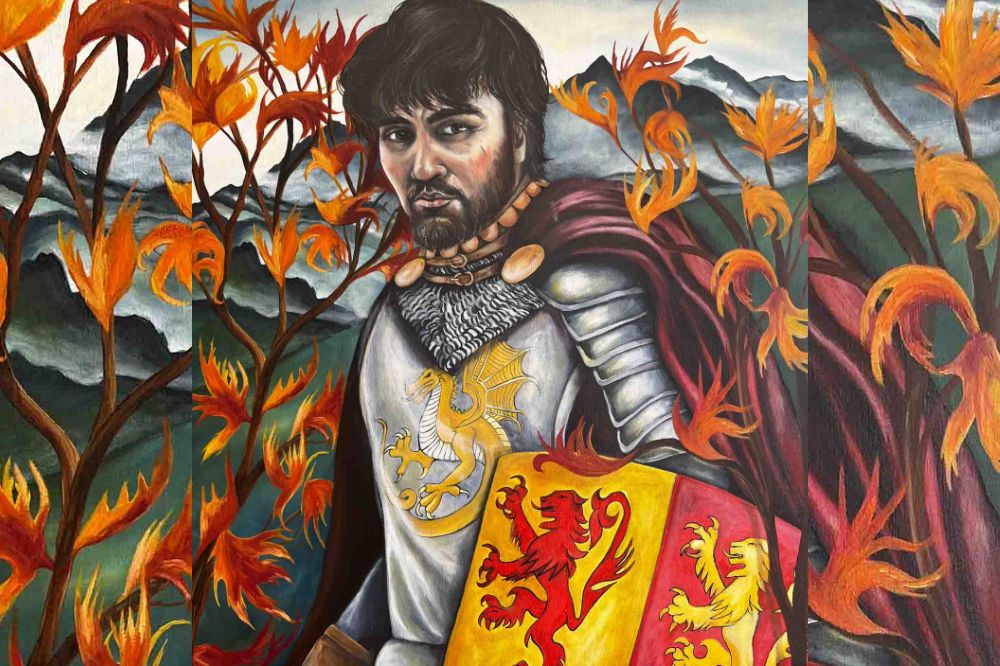
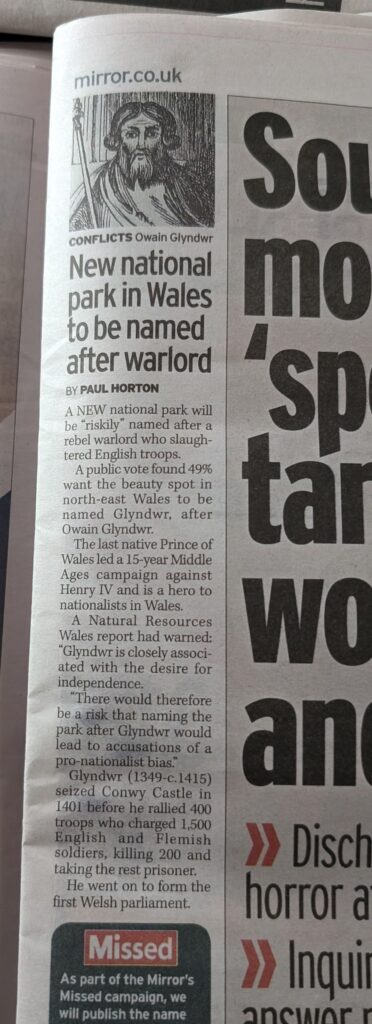
An article in the Mirror newspaper has claimed that Wales' new national park is to be named after 'a rebel warlord' in reference to Owain Glyndŵr, the last native prince of Wales.
The column followed reports about a consultation on Wales' newest national park on 15 September, and claims that "a new national park in Wales will be 'riskily' named after a rebel warlord who slaughtered English troops".
The article written by Paul Horton continues: "A public vote found 49% want the beauty spot in north-east Wales to be named Glyndwr, after Owain Glyndwr.
"The last native Prince of Wales led a 15-year Middle Ages campaign against Henry IV and is a hero to nationalists in Wales.
"A Natural Resources Wales report had warned: "Glyndŵr is closely associated with desire for independence.
"There would therefore be a risk that naming the park after Glyndwr would lead to accusations of a pro-nationalist bias."
"Glyndwr (1349-c.1415) seized Conwy Castle in 1401 before he rallied 400 troops who charged 1,500 English and Flemish soldiers, killing 200 and taking the rest prisoner.
"He went on to form the first Welsh parliament."
[mid-content-banner]
'Anglocentrism'
An image of the article was shared by Plaid Cymru Councillor, Elfed Wyn ap Elwyn and received widespread-backlash from his followers.
Winston Evans wrote: "A jingoistic, imperialist Englishman’s Warlord is a proud, defiant Cymro’s Freedom Fighter."
Iori Hughes commented: "One man’s warlord is another man’s freedom fighter."
While Evan Owen added: "The biggest insult isn’t being discussed, yet more of our land being turned into an English theme park! More soft eviction and voluntary resettlement, more undemocratic government. Deffrwch!"
The article comes as people across Wales marked Owain Glyndŵr Day on Tuesday 16 September - a celebration of Owain Glyndŵr, the last native Prince of Wales and founder of the first Welsh parliament.
On 16 September every year, thousands in Wales celebrate the life and legacy of the "rebel" Prince of Wales.
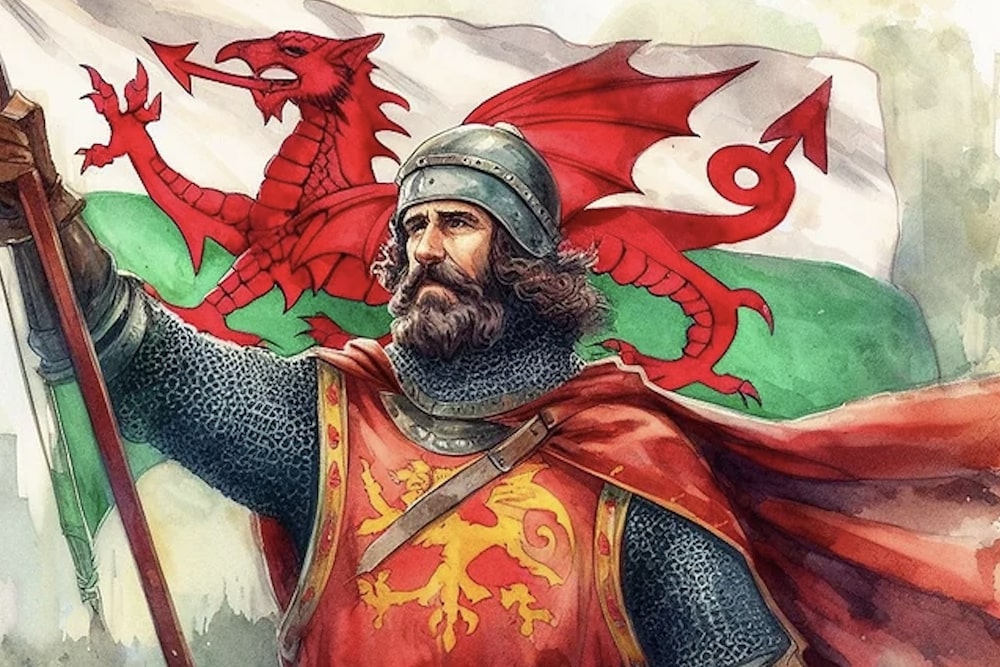
Owain ap Gruffydd, commonly known as Owain Glyndŵr was a Welsh leader who led a long-running war of independence to end English rule in Wales during the Late Middle Ages. He formed the first Welsh parliament, and he was the last native-born Welshman to hold the title Prince of Wales.
Rising
Owain Glyndŵr was a descendant of the Princes of Powys through his father Gruffudd Fychan II. Through his mother, Elen ferch Tomas ap Llywelyn, he was a descendant of the Princes of Deheubarth, also a descendant of Llywelyn the Great of the House of Aberffraw.
On 16 September 1400, Owain Glyndŵr proclaimed himself Prince of Wales and instigated a 15-year Welsh Revolt against the rule of King Henry IV of England.
His troops inflicted a series of defeats on the English forces and captured key castles across Wales, rapidly gaining control of most of the country. Glyndŵr received naval support from Scotland and Brittany and also received the support of King Charles VI of France.
In 1403 a Welsh army including a French contingent, commanded by Owain Glyndŵr, his senior general Rhys Gethin and Cadwgan, Lord of Glyn Rhondda, defeated a large English invasion force reputedly led by King Henry IV himself at the Battle of Stalling Down in Glamorgan.
By 1404 four English military expeditions had been repelled and Owain solidified his control of Wales. He was officially crowned Prince of Wales (Welsh: Tywysog Cymru) and held a parliament at Machynlleth where he outlined his national programme for an independent Wales, which included plans such as building two national universities, re-introducing the traditional Welsh laws of Hywel Dda, and establishing an independent Welsh church. There were envoys from other countries including from France, Scotland and the Kingdom of León (in Spain).
[lower-mid-content-banner]
Overpowered
Despite the initial success of the revolt, in 1407 the superior English resources and wealth began to turn the tide; by 1409 the English forces had reconquered most of Wales. Glyndŵr was cornered and besieged at Harlech Castle, but he managed to escape by disguising himself as an elderly man, slipping past the enemy at night.
He retreated to the wilderness with a band of loyal supporters, continuing the war with guerrilla tactics throughout Wales and the English borderlands.
The last documented sighting of him was in 1412 when he ambushed the King's men in Brecon, capturing a leading supporter of King Henry's. Owain twice ignored offers of a pardon from the new king Henry V of England. Despite the large rewards offered for his capture, Glyndŵr was never betrayed. Whilst it isn't known for sure, one theory suggests that he died in the year 1415, at the age of approximately 56.
With his death, Owain has acquired mythical status along with Cadwaladr, Cynan and Arthur as a folk hero awaiting the call to return and liberate his people, Y Mab Darogan (The Foretold Son).
Petition
A petition urging the Welsh Government to purchase, Owain Glyndwr’s ancestral home in Montgomeryshire was discussed in the Senedd back in September 2023.
The petition launched by Elfed Wyn ap Elwyn called for the purchase of the site in order to safeguard it for future generations gained over 10,000 signatures – crossing the necessary threshold for a debate in the Senedd.
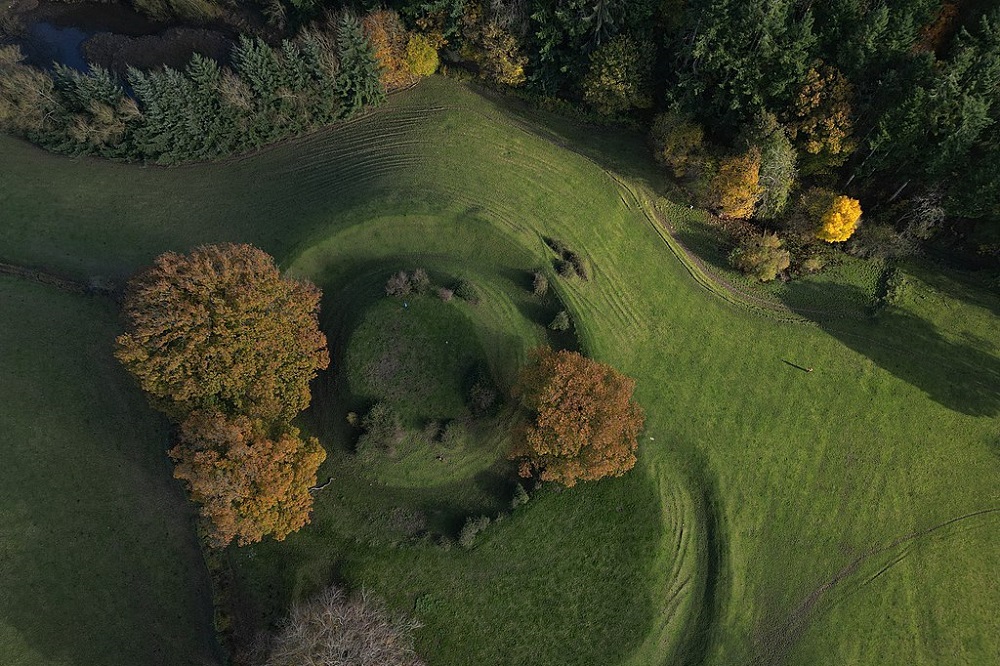
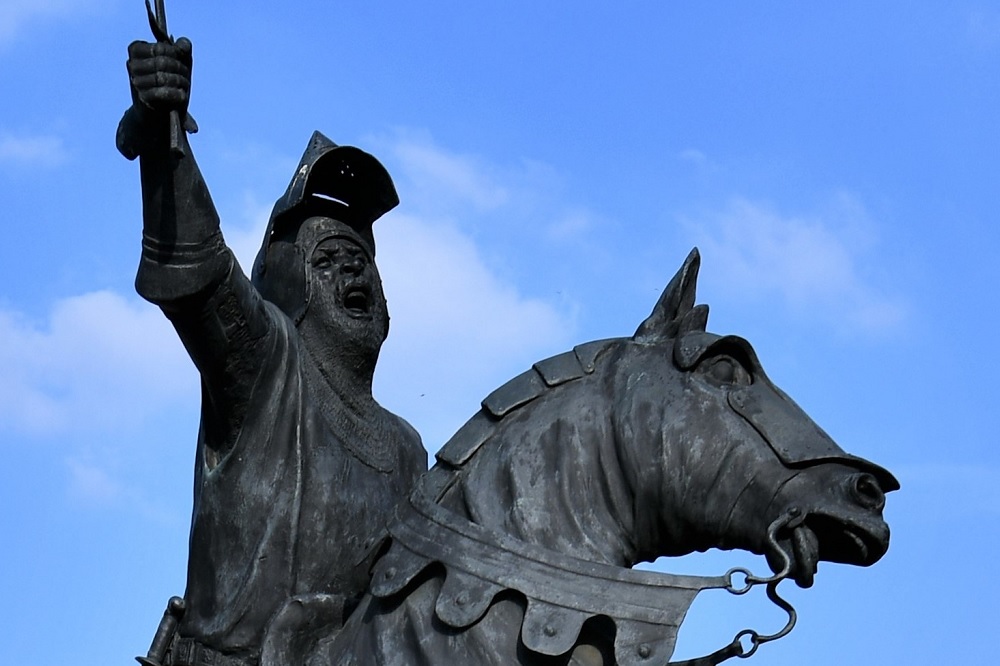
Nestled in countryside of north Montgomeryshire, south of the village of Llansilin, it was the manorial home of the princes of Powys Fadog and the home, and most probably the birthplace, of Owain Glyndŵr – the last native-born Welshman to hold the title Prince of Wales, who led a led a 15 year-long Welsh War of Independence in the late Middle Ages.
The site, featured in Iolo Goch’s poem, ‘Llys Owain Glyndŵr’, was burned to the ground in May 1403 by the English prince, Henry, during Glyndŵr’s Uprising.
Sycharth is a scheduled monument protected under the Ancient Monuments and Archaeological Areas Act 1979, and currently in private ownership with visitor access by agreement with the Llangedwyn Estate. The site has previously received funding from the Welsh Government’s historical environmental service, Cadw.
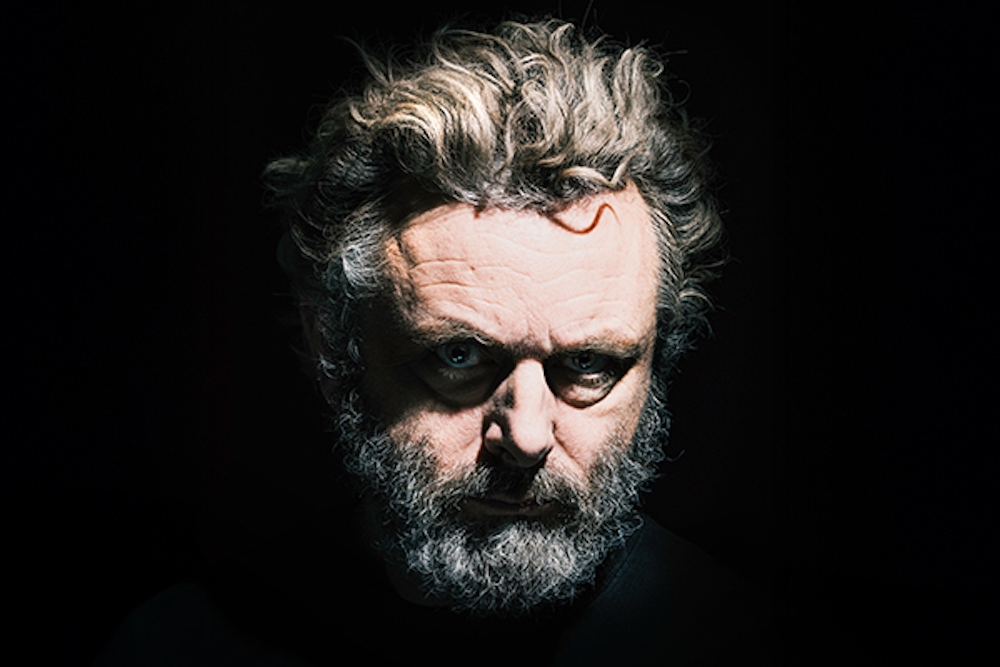
And earlier this week, the first image and audio of Michael Sheen as Owain Glyndŵr premiered to publicise Gary Owen's epic new play Owain & Henry which is set to run at Wales Millennium Centre in November 2026.
[video width="1920" height="1080" mp4="http://nation.cymru/wp-content/uploads/2025/09/OH-WS-V5.mp4"][/video]
The Welsh National Theatre production of Owain & Henry by Gary Owen, will see the playwright breathing life into the 15th century rebellion against the English crown by the outlaw Owain Glyndŵr. Michael Sheen will play the last Welsh-born Prince of Wales, clashing with King Henry IV in a battle which could lead to freedom for Wales and the end of England.
Speaking when the production was originally announced, Michael Sheen said: “The vision of Welsh National Theatre is writ large through these first two productions. Owain & Henry is one of the origin stories of our nation, as relevant in today’s complex world as it was when Glyndŵr declared Wales an independent nation six hundred years ago. Gary Owen’s play is one of the most ambitious Welsh plays I’ve read; and is the biggest and boldest of Gary’s career. That’s the creative benchmark and ambition we want to set with Welsh National Theatre.
“Playing the iconic Welsh prince on one of Europe’s biggest stages in our capital city will, I hope, be a defining moment for us as a people, and a culture. This is what Welsh National Theatre is all about."
Tickets for the Welsh National Theatre and Wales Millennium Centre co-production will go on sale to Wales Millennium Centre Partner and Partner Awen Members from 3 November, Ffrind and Ffrind+ Members from 5 November, Groups 10+ from 6 November, and to the general public from 7 November 2025.
Visit www.wmc.org.uk/owain+henry for information.
Support our Nation today
For the price of a cup of coffee a month you can help us create an independent, not-for-profit, national news service for the people of Wales, by the people of Wales.
Get more trusted Welsh news
Choose Nation.Cymru as a preferred source in Google News to see more of our journalism.
