


News
Majority of Welsh county councils now support devolution of Crown Estate
Emily Price
The majority of county councils in Wales have now officially expressed their support for the devolution of responsibility for the Crown Estate to the Welsh Government.
There are 22 local authorities in Wales and on Wednesday (February 19), Wrexham Council became the 12th to vote in favour of handing power over Wales' Crown Estate assets to the Welsh Government.
So far, Conwy, Denbighshire, Flintshire, Wrexham, Gwynedd, Powys, Ceredigion, Carmarthenshire, Swansea, Neath Port Talbot, Caerphilly and Monmouthshire councils have all voted in support of similar motions in their respective areas.
[mid-content-banner]
Engagement
The Labour for an Independent Wales group helped to secure the milestone win in Wrexham through cross-party engagement with councillors.
The motion was passed 44 votes for and 7 against with 4 abstentions.
The Secretary of Labour for an Independent Wales, said: "The vote in Wrexham represents the continued discussion and debate within Wales about how best to manage our nation's resources.
"That it follows similar motions in eleven other Welsh local authorities, illustrates the consensus across Wales that the current model is not in the best interests of the people and the local economy.
"It is important to note that these discussions have included representatives from across the political spectrum within these respective local authorities, and this vote has helped to show how a positive outcome can be achieved by engaging constructively across party lines."
[lower-mid-content-banner]
Treasury
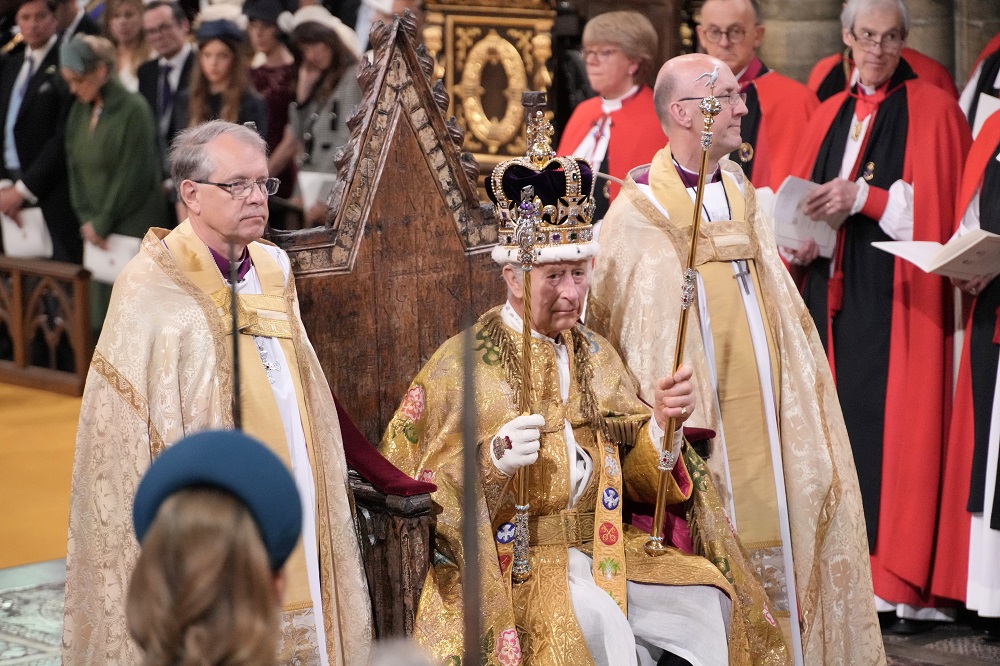
The Crown Estate is a huge collection of assets owned by the British monarchy, which includes vast swathes of urban, coastal and maritime land worth £16 billion.
It is run as a business, independent of government, but its profits are delivered over the border to the UK Treasury each year.
An annual payment is also made to the monarch in the form of the Sovereign Grant, currently set at 12% of the total.
In 2016, Scotland secured devolution of its Crown Estate, allowing its revenues to be reinvested directly in Scottish communities.
It’s widely thought that Wales is treated unfairly by the Crown Estate because whilst struggling councils are forced to fork out for access to coastline and public footpaths, Crown Estate profits skyrocket amid investment in renewable energy projects.
Reinvested
Recent figures unearthed by Plaid Cymru revealed that three councils in south-west Wales are paying over £105,000 a year in Crown Estate fees to allow the public access to Welsh land.
The argument for devolution is that local authorities are better placed to manage and invest in these assets for the benefit of their communities and the Welsh economy.
The Secretary of Labour for an Independent Wales said: "Today’s announcement is an important step in a much larger discussion, and it is encouraging to see how cross-party cooperation has led to this point.
"This highlights the importance of continuing the discussion at all levels as we move forward. The discussion surrounding the devolution of the Crown Estate is a complex one, and the opinions of all parties will need to be taken into account as we move forward.
"The people of Wales will need to continue to engage in this important conversation. This proves there is a democratic consensus that the UK Government must listen to and act on."
The Welsh Government says its position is still that the management of the Crown Estate should be devolved to Wales.
But a recent vote on the Crown Estate Bill saw Labour MPs vote down a Plaid Cymru amendment that would have seen asset powers handed to Welsh ministers in Cardiff Bay.
Next week, Plaid Cymru will make a final bid to alter the Bill during a debate in the House of Commons.
Support our Nation today
For the price of a cup of coffee a month you can help us create an independent, not-for-profit, national news service for the people of Wales, by the people of Wales.
Get more trusted Welsh news
Choose Nation.Cymru as a preferred source in Google News to see more of our journalism.
