


News
BBC to increase spend on content representing devolved nations
The BBC has unveiled major plans to increase investment in programmes representing Wales, Scotland and Northern Ireland as part of a restructuring of how television content is commissioned across the UK.
The broadcaster said it will double spending on TV and iPlayer commissions from the devolved nations, rising from around £50 million last year to more than £100 million annually from 2027/28.
The uplift—funded from within existing budgets—covers drama, comedy and unscripted programming, and is intended to expand the pipeline of high-impact shows rooted in local stories and perspectives.
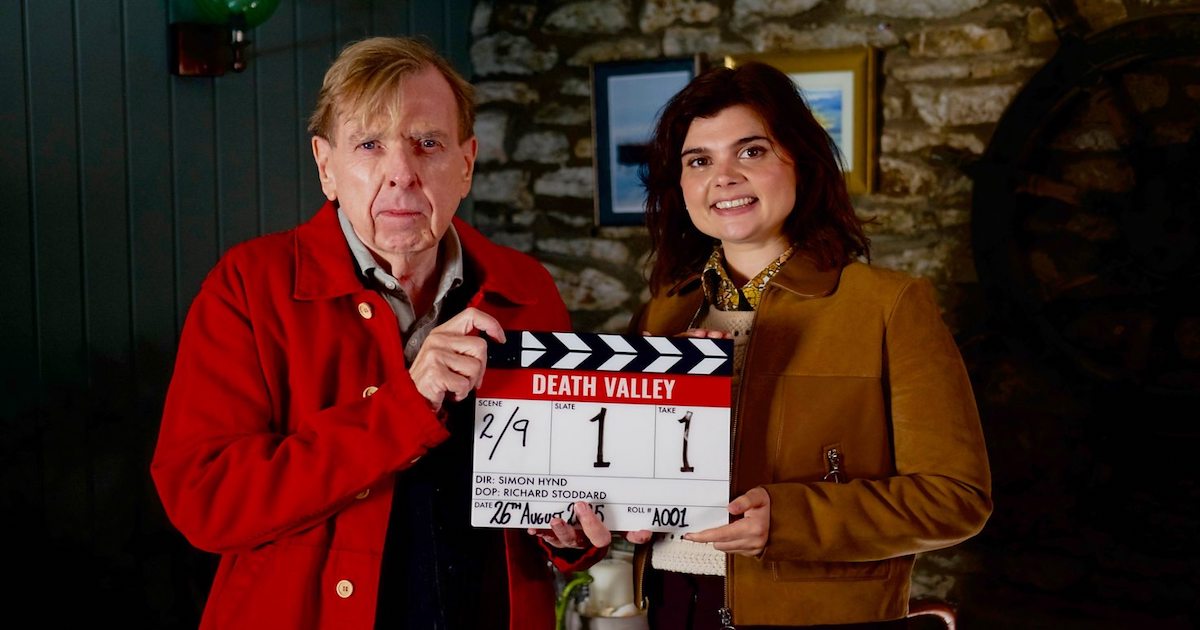
The announcement follows the success of recent hits including Death Valley, Blue Lights and Only Child, part of a wider drive to widen portrayal across the UK.
The BBC said the increased investment would ensure more “authentic, homegrown stories” from the nations reach UK-wide audiences.
To support the shift, the BBC will introduce a new TV commissioning model from April, bringing together its Content division and Nations teams under a single UK-wide strategy. Commissioners in London and across the nations will work as one, with decision-making for content portraying a particular nation increasingly based within that nation.
The broadcaster said the change is designed to simplify its processes for production partners and create a stronger slate of programmes reflecting the UK’s diversity, while continuing to build commissioning capacity outside London.
Since 2021, the BBC has nearly doubled the number of network commissioners based in the nations and regions, with further roles being created in the Midlands and the North of England.
Communities
Rhuanedd Richards, the BBC’s Interim Director of Nations, said the move marked the next phase of the corporation’s efforts to improve how it reflects communities across the UK.
“It is widely recognised that in recent years the BBC has significantly improved how we authentically represent and portray the people, communities and nations of these isles – but we want to go further,” she said.
“By spending more of our budget on homegrown storytelling and ensuring that more decision-making happens closer to audiences, we believe we can become even more relevant, distinctive and loved by audiences everywhere.”
BBC Chief Content Officer Kate Phillips said ensuring accurate and authentic representation was “fundamental” to the corporation’s purpose.
“Today’s announcement not only ensures more of our content budget is channelled towards this vital work, but also marks our intention to create an integrated commissioning team to shape a high-impact slate of content that reflects each Nation’s distinctive voice,” she said.
Support our Nation today
For the price of a cup of coffee a month you can help us create an independent, not-for-profit, national news service for the people of Wales, by the people of Wales.
Get more trusted Welsh news
Choose Nation.Cymru as a preferred source in Google News to see more of our journalism.
