


Thu, 6th August Cardiff 15°
Nation.Cymru wordmark
Advertisement

News

Anthony Hopkins slammed after dismissing neurodivergent labels as 'nonsense'
By David Owens
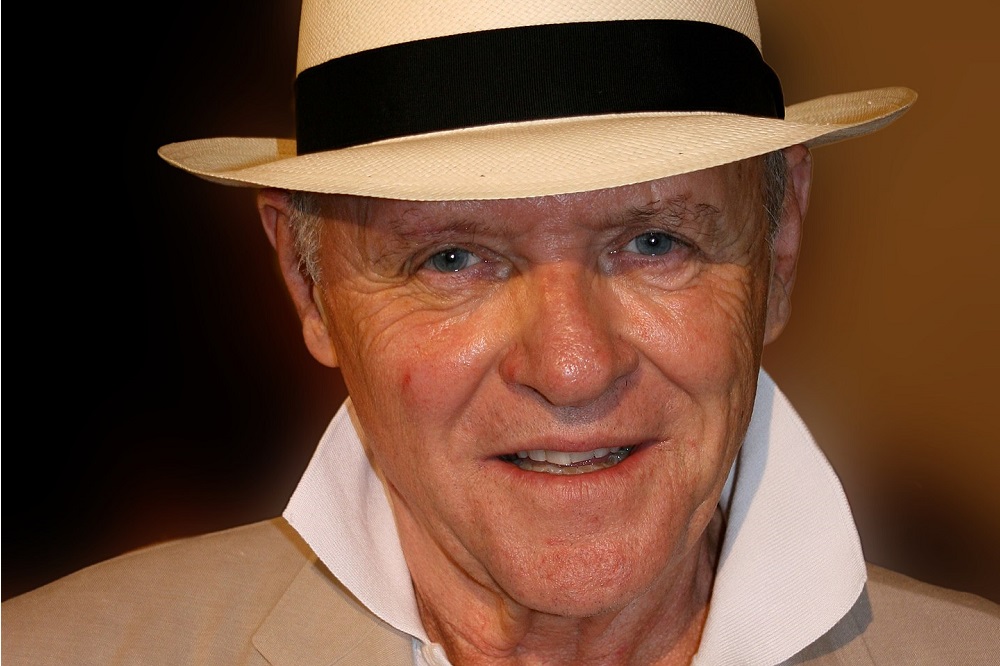
Anthony Hopkins/ Picture by Elena Torre (CC BY-SA 2.0).

Sir Anthony Hopkins has come under fire from mental health and neurodiversity charities after dismissing conditions such as ADHD, OCD and Asperger’s as 'nonsense'.

The 86-year-old Welsh actor made the comments in an interview with The Sunday Times where he said he believed society was overusing medical labels to describe normal aspects of human behaviour.

“Well, I guess I'm cynical because it's all nonsense, it's all rubbish — ADHD, OCD, Asperger’s, blah, blah, blah,” he said. “Oh God, it's called living, it's just being a human being, full of tangled webs and mysteries and stuff that's in us, full of warts and grime and craziness. It’s the human condition. All these labels — I mean, who cares? But now it’s fashion."

Ironically, Hopkins' wife, Stella Arroyave, believes the actor is autistic.

"I’m obsessed with numbers. I’m obsessed with detail," Hopkins told The Sunday Times. "I like everything in order. And memorising. Stella looked it up and she said, ‘You must be Asperger’s.’ I didn’t know what the hell she was talking about. I don’t even believe it."

ADHD and autism charities reacted angrily to his remarks, which they said risk perpetuating stigma and misunderstanding around genuine neurological conditions.

A spokesperson for the ADHD Foundation told The Standard in a statement: “While Sir Anthony is entitled to his views, dismissing ADHD and other neurodevelopmental conditions as ‘fashionable’ is deeply unhelpful. These are lifelong differences in brain wiring, not trends. Comments like these can discourage people from seeking support or diagnosis.”

A spokesperson for the ADHD Foundation added the star’s remarks were ‘deeply unhelpful’

While autism charity Ambitious About Autism also urged caution, telling the Standard that Asperger’s syndrome — one of the conditions Hopkins mentioned — is no longer used as a diagnostic term, having been incorporated under the broader umbrella of Autism Spectrum Disorder (ASD).

The change followed both clinical evidence showing overlap between the two and the discovery of Hans Asperger’s links to Nazi-era eugenics programmes.
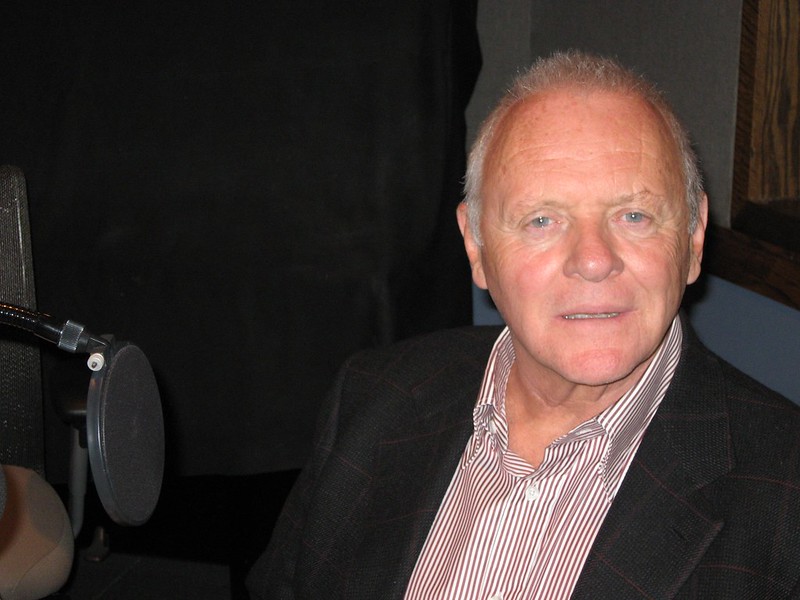
Anthony Hopkins. By WNYC (CC 2.0)

Hopkins, who has previously suggested he may himself be neurodivergent, has spoken about feeling “angry for no reason” and “putting on a mask every morning”. He has said he was encouraged to see a psychiatrist but remains sceptical about formal diagnoses.

The Silence of the Lambs star has revealed past struggles with alcohol and described how his drinking once spiralled out of control in California, leading him to seek help through Alcoholics Anonymous and a 12-step programme in Los Angeles.

Hopkins last year marked 50 years of sobriety, sharing a heartfelt message with his 5.3 million Instagram followers urging others to seek help if they need it.

For the price of a cup of coffee a month you can help us create an independent, not-for-profit, national news service for the people of Wales, by the people of Wales.

Get more trusted Welsh news

Choose Nation.Cymru as a preferred source in Google News to see more of our journalism.

Choose Nation.Cymru as a preferred source in Google News

7 comments

smae

lmao. Yep Autistic people are very much most likely to be dismissive of such things. Depression as also pretty common. In a literal sense, he's correct, neurodivergency is living. It's not a disease or something wrong with us, we just work differently and that means we need different ways of navigating the world. It's often only disabling because the man made world was designed for people who behaved and moved in a certain way. These charities are more trying to point out that the reason for the labels isn't to medicalize, but to make sure people are getting the support they need. Unfortunately the most efficient way to do that is to find your preferred box. Despite the boxes on the form, the definitions of autism, adhd, add, etc are fuzzy and sometimes blend into each other so don't put too much faith in them. Mr Hopkins has done well for himself, surprisingly so (especially for someone who is quite possibly Autistic), but he hasn't come out of it unscathed as his own story tells us and quite frankly there is no need to muscle through it, it's okay to get help and support especially when it is offered.

Reply
Blinedig

Getting the right support is important, while recognising the potential damage caused by over-labelling and subsequent harmful drug treatments. I personally know of areas where a majority of school children (boys mostly) have been given diagnoses of ADHD/autism. Societal reasons should be explored.

Reply
smae

The reason you're seeing this is because people are recognizing the signs of autism and ADHD. They have been historically under diagnosed because we didn't know anything about them. Now we have proper screening of toddlers, looking for signs of autism as well as a general awareness in the public. Autism by the way isn't medicated, there is no known medication that alleviates the core symptoms of autism... mostly because it's not actually an illness it's just the way we are. What will be medicated (possibly) is the secondary problems such as depression, anxiety, panic attacks etc, which despite popular belief are not controllable through will power alone. The causes of autism as far as we can tell are mostly genetic and you're very much born with it, even if you are only diagnosed in your 60s. While ADHD can be medicated, it very much isn't until a psychologist has been involved and has judged in agreement with the doctor that behavioural therapies have not worked. ADHD risk factors include signs related to poverty such as drug use during pregnancy including alcohol and tobacco, being in dodgy environments, particularly places with lead paint, raising the minimum wage may potentially help prevention in the future? Medication isn't simply just handed to the kid and sent on their way, it's very much a lengthy path to get medicated, especially children. For clarity Autism is not ADHD (or ADD), while not mutually exclusive one does not always imply the other either, it's usually pretty rare to have both.

Reply
HarrisR

In a Late Capitalist society where everything is comodified including personal identity opinion and emotion, and where alienation from it and from each other is a norm, its hardly surprising there are "morbid effects". And industries and "professionals" who profit from it. Individuals are labeled "and treated" rather than society itself changed.

Reply
smae

That's somewhat the reverse where autism is concerned. Autism has no 'medication' and it is society that has to conform instead. Plenty of reasonable adjustments to be made by work places etc. Also... people don't die from Autism... unless you consider the increased risk of suicide.

Reply
HarrisR

"The global autism spectrum disorder therapeutics market size was valued at USD 2.11 billion in 2024. The market is projected to grow from USD 2.21 billion in 2025 to USD 3.44 billion by 2032, exhibiting a CAGR of 6.5% during the forecast period. North America dominated the autism spectrum disorder therapeutics market with a market share of 57.81% in 2024 Source: https://www.fortunebusinessinsights.com/industry-reports/autism-spectrum-disorder-therapeutics-market-101207" No incentive to pathologise individuals there obviously. Bring it on.

Reply

In reply to HarrisR

hdavies15

The conditions may be real, are real for a lot of people to varying degrees. However, it's now become a "marketing opportunity" with big pharma pushing dope, and charities with well paid careerist CEO's and other execs making a meal of it.

Reply

Leave a reply

Replying to Blinedig Cancel

Getting the right support is important, while recognising the potential damage caused by over-labelling and subsequent harmful drug treatments. I personally know of areas where a majority of school children (boys mostly) have been given dia...

Comments are reviewed before they appear.