


News
Animal rights charity calls for Wales to drop three feathers emblem
Stephen Price
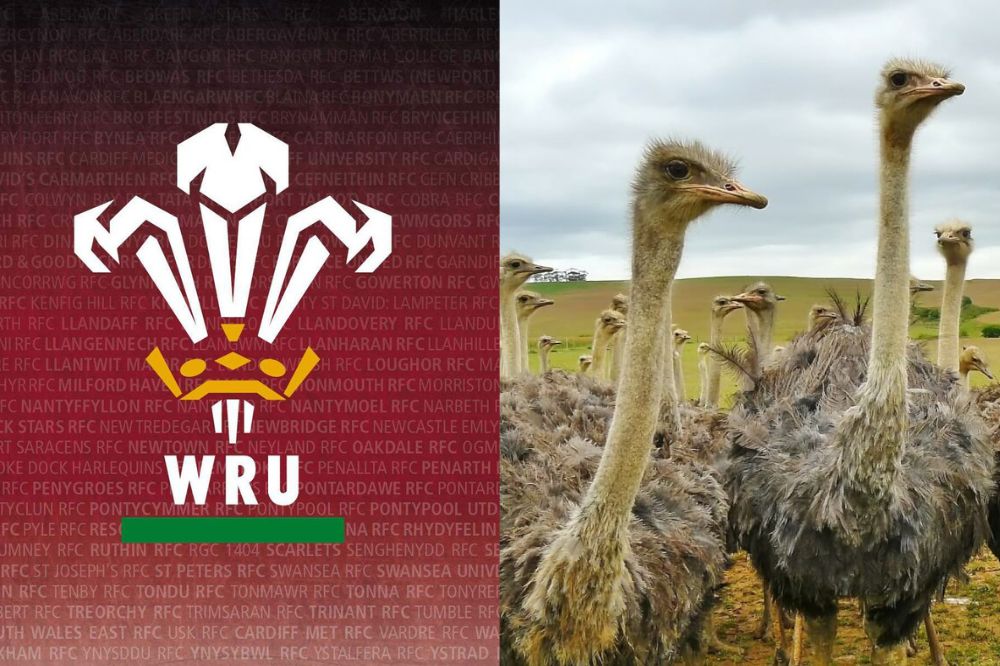
An animal rights charity has contacted the Welsh Rugby Union to call for the Prince of Wales' ostrich feather emblem to be switched to a Welsh dragon ahead of Wales’ final Six Nations match - to boost morale and raise awareness of animals used in the fashion industry.
The game against England this Super Saturday could see Wales walk away with the infamous wooden spoon, and PETA has sent a letter to Welsh Rugby Union CEO Abi Tierney suggesting a simple wardrobe change to help boost the team’s morale for next year’s competition: replace the Prince of Wales' ostrich feathers emblem with an iconic dragon – to remind everyone that feathers belong only on the birds born with them.
PETA Vice President of Corporate Projects Yvonne Taylor shared: “Tweaking the team’s kit would help send the message that sparing sensitive ostriches and other birds a miserable life and agonising death is a flap-free affair.
“PETA encourages the Welsh rugby team to be good sports on and off the pitch by making this small change that could do the world of good for gentle birds.”
[mid-content-banner]
The letter
The letter to Abi Tierney, Chief Executive Officer of the Welsh Rugby Union, which had been seen exclusively by Nation.Cymru ahead of its publication, says: "Greetings from People for the Ethical Treatment of Animals (PETA), and good luck for Wales’s final Six Nations fixture against England this Super Saturday.
"We want to suggest a simple wardrobe change to boost team morale for next year’s competition and remind people that feathers belong on birds, not humans: re-vamp the Welsh jersey by swapping the Prince of Wales's ostrich feathers emblem for an iconic dragon.
"Ostriches and other birds exploited for their feathers suffer greatly. A PETA US investigation into ostrich farms and abattoirs in South Africa exposed workers forcibly restraining ostriches as young as 12 months old, striking birds in the head, and mocking them as they stumbled through the abattoir doors.
"At the slaughterhouse, ostriches are restrained and electrically stunned before having their throats slit and their feathers torn from their still-warm bodies. They’re then skinned and dismembered."
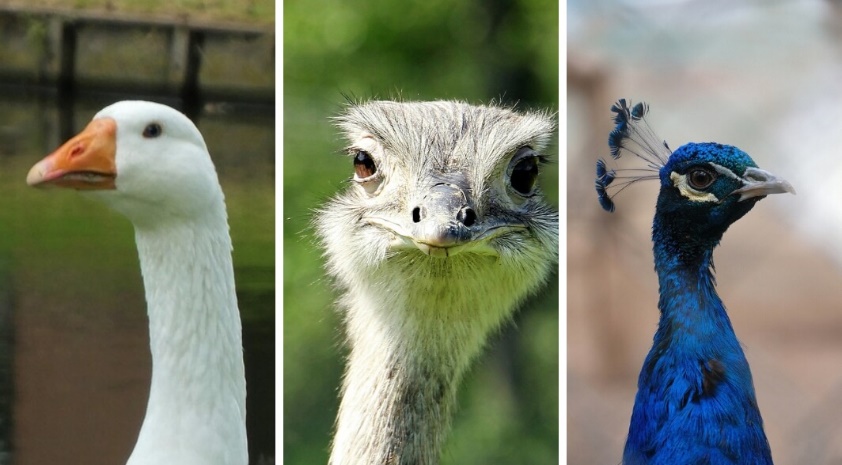
"Other birds are also exploited for their feathers. One investigation into peacock farms in China found birds confined in plastic bags while being transported, denied natural movement and behaviours. These birds are repeatedly plucked alive, resulting in painful and sometimes fatal injuries. Meanwhile, "marabou" feathers most often come from turkeys and chickens raised on filthy factory farms.
"This change would be a wonderful way to honour ostriches, who are top athletes, too. These spectacular birds are the envy of every winger, covering up to five metres in a single stride and reaching speeds of seventy kilometres per hour. And, like all good fullbacks, they’re masters of defence – when cornered by predators, ostriches can kick with a force powerful enough to kill!
"Our suggested tweak to your kit may seem small, but seizing every opportunity to remind people that wearing feathers harms birds can make a big difference to animals' lives. We hope you’ll consider it as you take a well-earned break after the Six Nations wraps up."
[lower-mid-content-banner]
Cruelty
In nature, ostriches share parental duties, with the camouflaged mother taking care of the eggs during the daytime and the father, who has black feathers, taking the night shift.
In the fashion industry, workers forcibly restrain ostriches as young as 1 year old, electrically stun them, and slit their throats before tearing the feathers from their still-warm bodies.
Feathers described as “marabou,” meanwhile, almost always come from turkeys and chickens who endure a short, miserable life in filthy, crowded sheds before being violently killed. Peacocks, pheasants, emus, and other birds fare no better in the feather trade.
PETA notes that this change would be a fitting way for the team to honour athletic ostriches. These birds are the fastest-running birds in the world, can run at speeds of seventy kilometres per hour, and deliver deadly kicks to defend themselves from predators.
Controversy
The emblem is not without its controversy for other reasons here in Wales - with repeated calls for the heraldic motif, which is is generally traced back to Edward, the Black Prince (1330–1376), eldest son and heir apparent of King Edward III of England, to be dropped in favour of something less polarising.
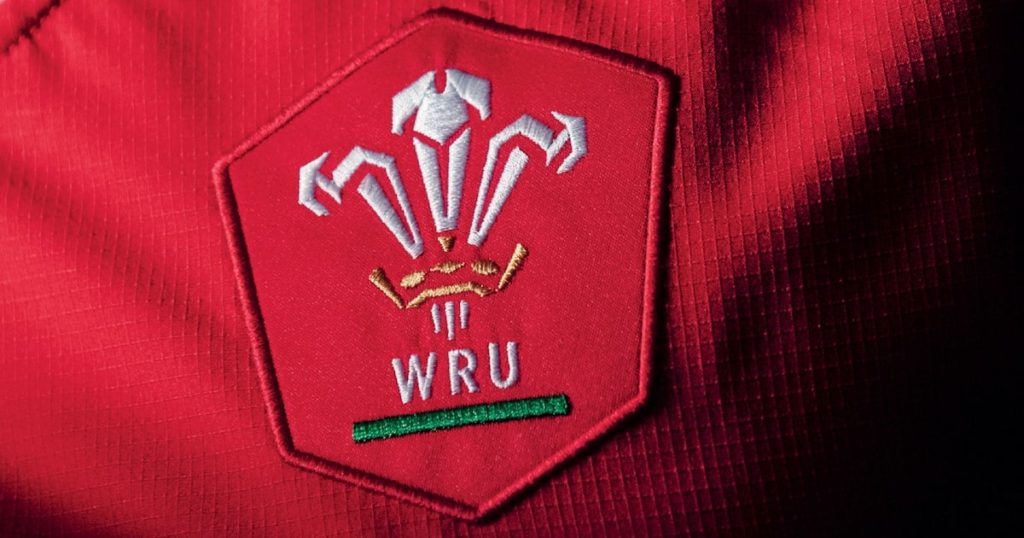
More than 7000 people signed a petition calling for a rebrand of the logo back in 2023, when Trystan Gruffydd, who launched the petition, claimed the three white feathers aren’t “embraced by everyone in Wales and supporters of Welsh rugby.”
Many in Wales say the feathers are a British rather than a Welsh symbol, and in 2021, the pro-independence group YesCymru created a number of mock-up logos using the alternative Welsh symbols of a leek, daffodil and a harp. Using a Welsh dragon, as preferred by PETA, has also been proposed.
PETA – whose motto reads, in part, that “animals are not ours to wear” – points out that Every Animal Is Someone and offers free Empathy Kits.
For more information, visit PETA.org.uk or follow PETA on Facebook, X, TikTok, or Instagram.
Support our Nation today
For the price of a cup of coffee a month you can help us create an independent, not-for-profit, national news service for the people of Wales, by the people of Wales.
Get more trusted Welsh news
Choose Nation.Cymru as a preferred source in Google News to see more of our journalism.
