


Feature
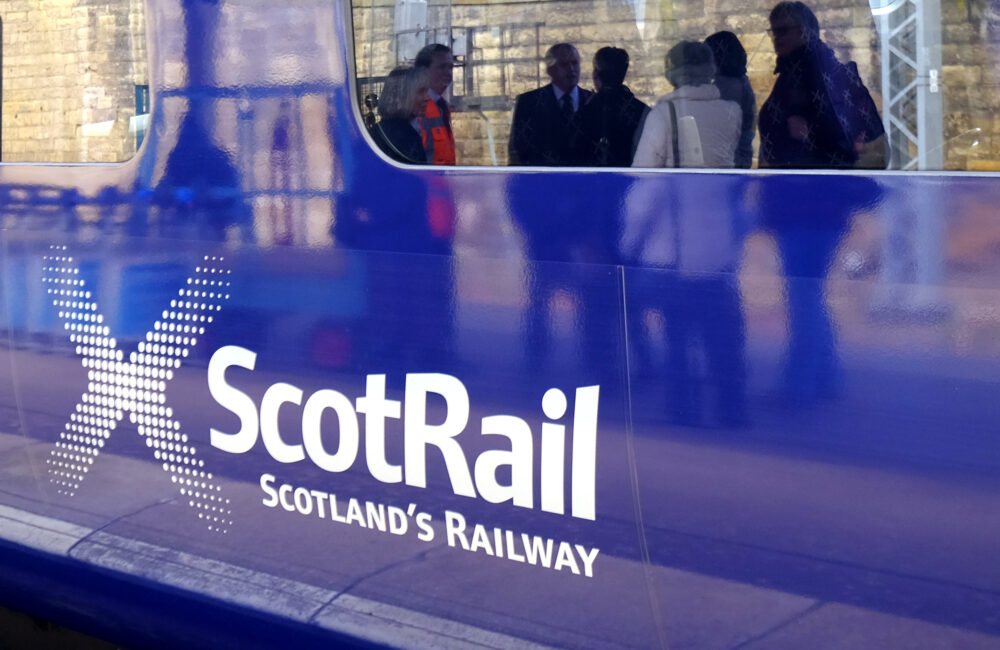
Scotland has scrapped peak train fares - could it work in Wales?
Professor Stuart Cole, CBE. Emeritus Professor of Transport Economics and Policy, Prifysgol de Cymru / University of South Wales
Peak fares on train services are means of maximising revenue and managing passenger demand dependent on market conditions. Consequently, fares between the same two railway stations can vary considerably.
This column reflects on the Scottish Government decision from this month to discontinue peak fares on Scotrail train services and replace them with standard fares available all day. This is despite an earlier trial report which rejected the ‘no-peak-fares proposal on cost grounds.
That report also showed a slight increase in passenger numbers (though during a period of strikes) but it failed to achieve modal transfer between car and rail on the scale expected. An average of 17% (with a range up to 50%) on fares is saved by travellers across the various ticket types (previously similar to those in Wales).
[mid-content-banner]
Market-related fares
The change from long-standing market-related fares is expected to attract four million extra rail journeys. Two million of these are expected to transfer from existing car journeys which the Scottish Government hopes will reduce congestion on many primary routes The estimated £45m cost covers additional revenue support paid to ScotRail, the government owned railway company (equivalent to TfW Rail in Wales) which the Scottish Government hopes to recoup over time through good marketing.
The Scottish Government also intends the abolition of peak fares to give travellers a wider range of train journey options and reduce travel costs (in some cases by hundreds or thousands of pounds). In social terms reduced peak fares is fairer particularly to those on low incomes such as cleaners, restaurant workers and students who have to travel to and from work at times not of their choice; though benefits will also accrue to higher-paid travellers.
[lower-mid-content-banner]
Current fares position in Wales
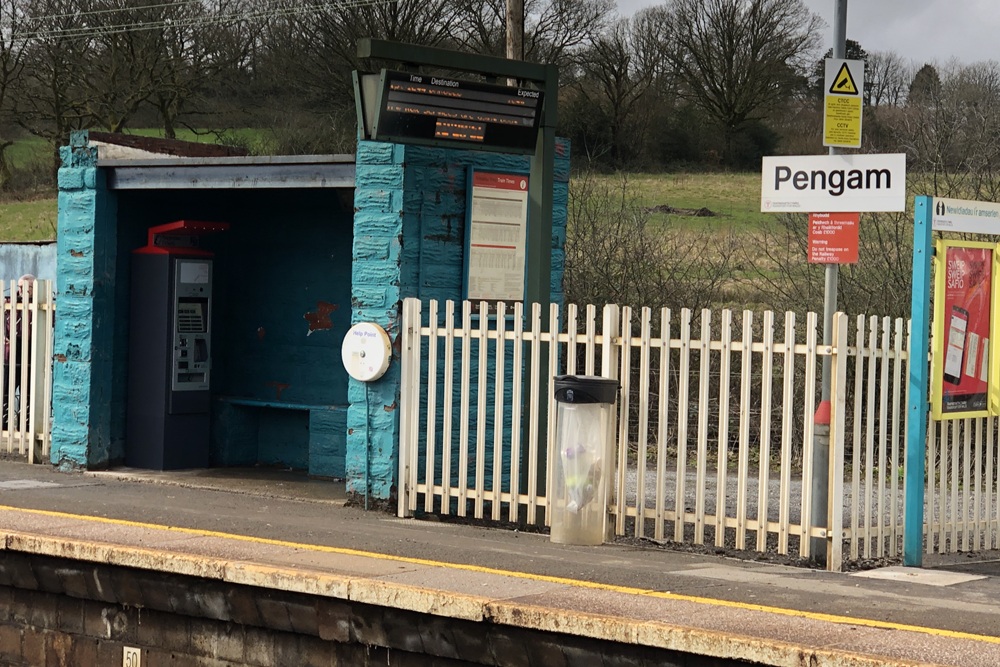
Wales has a complex range of existing peak fares. For example a return fare between Carmarthen and Llanelli ranges from £9 to £20. However on all routes in Wales reduced peak-travel fares are available through split tickets or through railcard discounts, season tickets, specific train tickets and multi-ride ticket packs.
The Scottish trial report suggested that there was a noticeable increase in relatively local commuting from smaller towns to big employment centres and suggested that local fare structures might be adjusted
Wales has few commuter journeys where peak fares are applied inbound in the morning ‘rush hour’ and outbound in the evening such as to / from the major employment centres of Cardiff, Swansea, Newport and Chester.
Wales’ passenger rail network also has passenger demand peaks such as weekend journeys to our tourist hotspots in south west Wales, the north Wales coast and Ceredigion coastal holiday resorts. Peak demand also occurs at times such as Christmas, New Year and Easter which Scotrail intends to apply the standard fare.
Taking these variations in peak demand patterns, this column has looked at both the demand and supply position in the railway passenger market.
Basis of market segmentation
Over many years being offered different fares on air travel between the same two airports has allowed us to choose our flight on the basis of cost . The application of this market segmentation formula was first introduced into Britain’s railways by Virgin Trains on England’s east coast and west coast main lines. This affected services to north Wales served by the West Coast Main Line and was derived from previous experience on Virgin Atlantic Airways.
Much of this price discrimination policy depends on the characteristics of the route involved and relates to the train capacity available at different times of the day, week or year and considers ‘what the market will bear’ i.e. what we are prepared to pay.
There are three market pre-conditions which enable a railway company to divide the market into segments and charge different fares for each one:
- A monopoly, near monopoly or definite supply limit (e.g. train seats standing room) within one transport mode or even between modes. This the railway does not have .The car is the competitor and while there is a monopoly on rail travel, competition may arise between railway companies on the same route and with bus and car travel which offer travellers lower costs per passenger trip.
- It must be possible to separate consumers within a particular market or route through ‘inhibitors’ preventing high yield premium fare passengers from down trading. Commuters or some holiday passenger flows fall into this category
- There is what economists refer to as a ‘consumer surplus’ That is the amount over and above the ‘normal’ or lower market price which customers are prepared to pay. It represents social preference, the financial ability ( or no alternative) to pay a premium fare and transfers this surplus from the consume(passenger) to the producer (the railway company).
The railway company’s primary objective is to sell seats and spread the load over those train departures they have available. They also wish to avoid overcrowding and of course there is also the opportunity to increase revenue per passenger on busy trains. It is unrealistic to take more passengers on peak / busy trains as there is finite capacity and overcrowding presents a poor image for the rail business.
The Scottish model applied in Wales would be ‘nice but unlikely.’
To pursue the Scottish fares policy in Wales is likely to require more trains (which it is understood TfW have been asked to consider by Welsh Government). TfW Rail is wholly owned by Welsh Government which paid £381m to maintain TfW Rail services over the current 2025 / 26 financial year and has also invested nearly three billion pounds in Wales’ railway infrastructure and new trains over the last five years
The government has been criticised for spending significantly more on rail services than on bus operations and on bus subsidy per passenger. Although bus fare-capping for under 25-year-olds is now being introduced. Further rail support might be difficult for the government to justify at present.
All commercial organisations use yield management techniques to judge ‘what the market will bear’ and charge accordingly to maximise profits; or in the government’s case to minimise revenue support. Maximising revenue must be the prime commercial objective. However, maximising revenue may not always produce maximum passenger loadings. From a government point of view that will not contribute to reducing road congestion.
Welsh Government could decide to follow Scotland on TfW services although market segmentation economics is likely to be with rail travellers for some time.
Meanwhile when choosing our departure dates and destinations we might keep that in mind so the extra money (consumer surplus) stays in our pockets.
Support our Nation today
For the price of a cup of coffee a month you can help us create an independent, not-for-profit, national news service for the people of Wales, by the people of Wales.
Get more trusted Welsh news
Choose Nation.Cymru as a preferred source in Google News to see more of our journalism.
