


Feature
Letter from Llanelli
Joshua Jones
I know now what I knew then,
But I didn’t know then what I know now.
Isaac Brock from the band Modest Mouse yelped these words at me through my headphones as a teenager growing up in Llanelli. My headphones were self-prescribed solitary confinement, a means of protection.
I didn’t know what I needed to be protected from, but music was a balm to maintaining a mask in a neurotypical environment.
I wasn’t a shy child, far from it, but I knew I wasn’t a subscriber to the traditional set of masculinities on offer. I wasn’t straight, I wasn’t a rugby player. I wasn’t ‘one of the lads.’
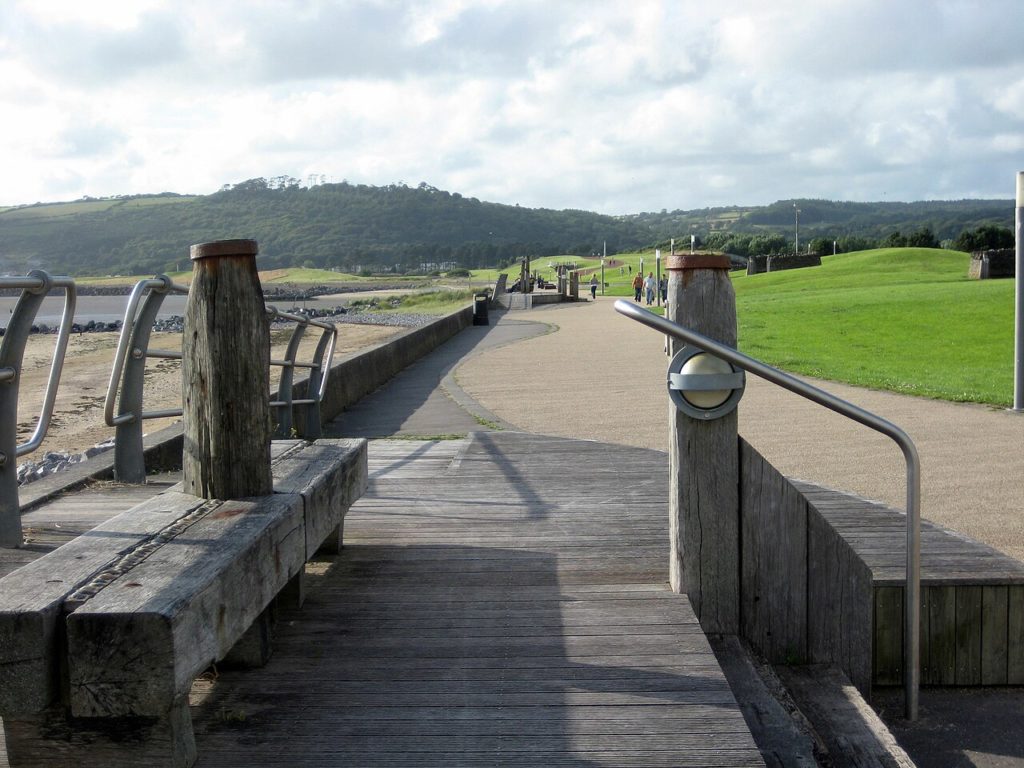
On the beach I hopped rocks along the breakers and sat there smoking cigarettes with friends until the tide came in. We broke into the abandoned docking warehouse and scared each other with fictions of it being populated by killers and addicts.
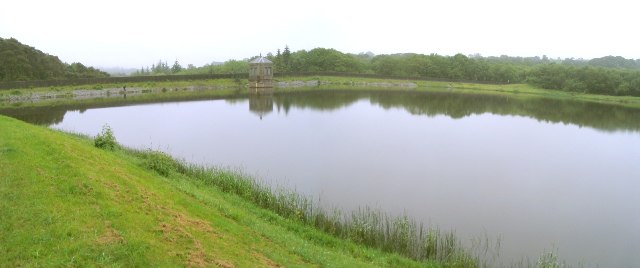
I hopped rocks along the coast, I still do, following the ghosts of past me’s trails from one end of the beach to the other. At the Swiss Valley reservoir I found stories in footprints and etched into wooden posts. So-and-so was here – well, me too.
I picked blackberries at Box Park cemetery, where family members are buried, and camped in Llanerch field.
I never had the courage to wade into the part of the Afon Lliedi where it narrows to a stream, behind the Fire Station, but its mud is in my bloodstream. My heart, the rear-ended shopping trolleys on its bank.
[mid-content-banner]
Bigger world
The town has given, and I have taken. My headphones, my teenage armour, were also a barrier. I grew up on a diet of punk rock, grunge and cheesy 2000s nu-metal.
I day-dreamed of boys in makeup while listening to Placebo, spent whole afternoons in the skatepark with the Smashing Pumpkins, while friends rolled cigarettes and pretended to not look around, to see if girls were watching them skate.
I needed music to feel connected to a world bigger than what I saw, and felt, but I sacrificed the hissing of swans, the hurtling of trains along the coast to Pwll and Burry Port, the rain. I wasn’t listening, but I am now.
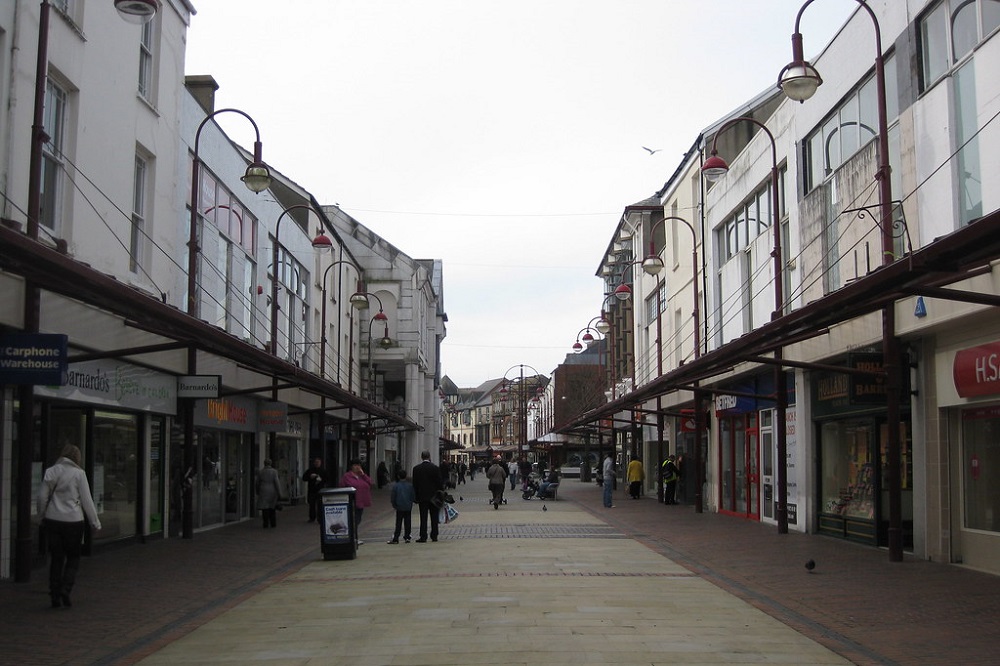
I listened to the wisdom gleaned from under the half-pipe, and men’s restrooms, and when waiting for a drink at The Masons, where I drank and played pool for years before I turned eighteen.
Stebonheath Park, home of Llanelli Town FC, that I can see from the garden of my childhood home, and the floodlights lit up the kitchen at night, the footballers’ hoots, and half-empty stands.
Cigarette talk from the car park travels up the hill bank to my garden.
Maternity
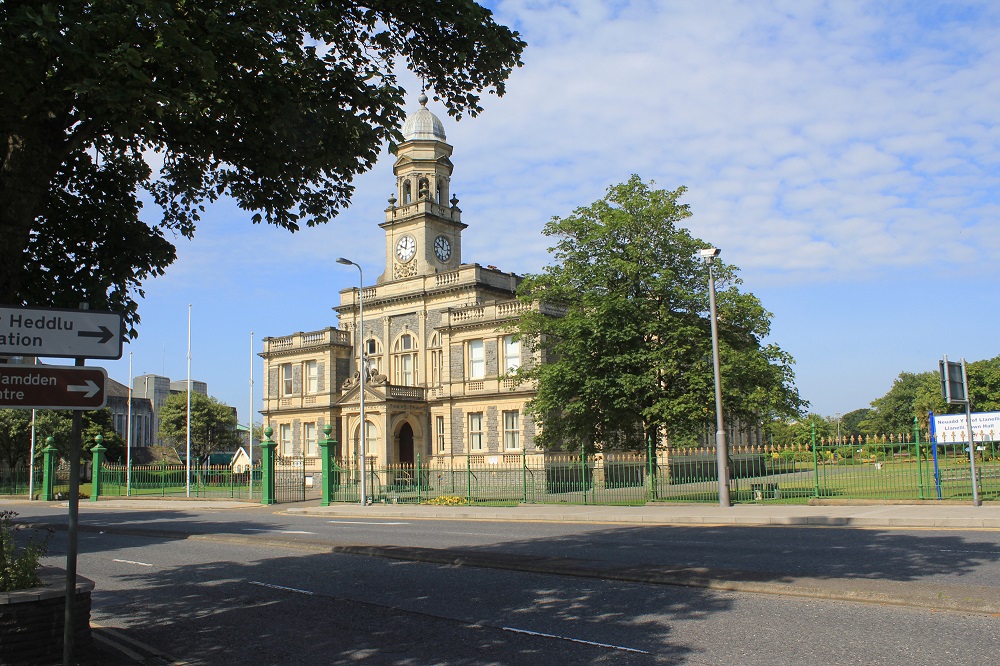
No one is from Llanelli, not really. Prince Phillip Hospital, in the Dafen/Bryngwyn Mawr area of Llanelli doesn’t have a maternity ward. There hasn’t been a maternity ward in the town since 1975, when Glasfryn on Felinfoel Road was closed. For almost fifty years Llanelli residents are born in Gwangilli hospital in Carmarthen, where my brother and I were born, or Morriston, Swansea.
No one is born in Llanelli anymore (not counting home births), and I can’t help but wonder if this creates a divide between older generations that were born in the town, before 1975, and those that came later. What does this all mean, anyway? What does it mean to be from a place?
My dad has lived on the same street since he was born, has worked the same job since he was an apprentice at the age of seventeen.
My gran’s house is across the street, and dad played parish football at the church at the end of the road, which is now privately owned by a photographer from London.
Dad played rugby for the Llanelli team, and I was dragged into playing rugby for the school, Coedcae, where my parents and their siblings went to school (and where my grandfather taught). The town is in my family’s blood – but are we from there?
Flowers bloom
I write this letter from the desk in my room in Canton, Cardiff. I have been far removed from Llanelli for many years, living in Southampton, Bristol, Devon and Cardiff, but every time I go home, I discover new ways to appreciate the place I am from.
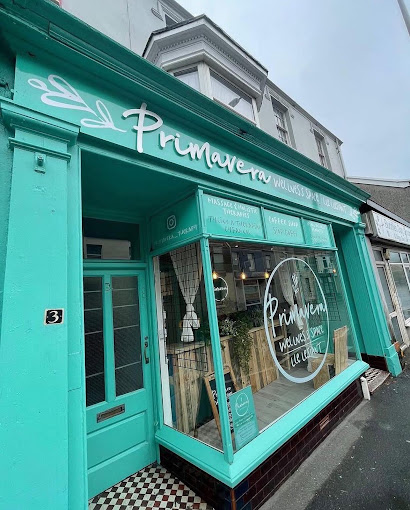
I felt alone, othered, and needing to escape into music and books growing up. Now, there are organisations like Primavera Wellness Space providing an inclusive safe space for their LGBTQ+ communities to receive massage and holistic treatments, or just hang out with friends over a coffee, and People Speak Up deliver therapeutic art and writing workshops for queer, neurodivergent, disabled and socially isolated communities.
I refuse to believe news articles that say Llanelli, and all the other Welsh towns like it, are doomed. Flowers bloom through cracks in the concrete.
I didn’t know if there were safe spaces and communities such as these for me to access when I was growing up, maybe I should have listened more. But I didn’t know then what I know now.
Local Fires by Joshua Jones is published by Parthian. It is available from all good bookshops.
Support our Nation today
For the price of a cup of coffee a month you can help us create an independent, not-for-profit, national news service for the people of Wales, by the people of Wales.
Get more trusted Welsh news
Choose Nation.Cymru as a preferred source in Google News to see more of our journalism.
