Feature
Letter from Fairbourne
Julie Brominicks
First light banishes night. Everywhere, dark is threatened. Gently ruptured by the orange winks of a recycling truck. Pierced by glare from both shops, bright as moth traps.
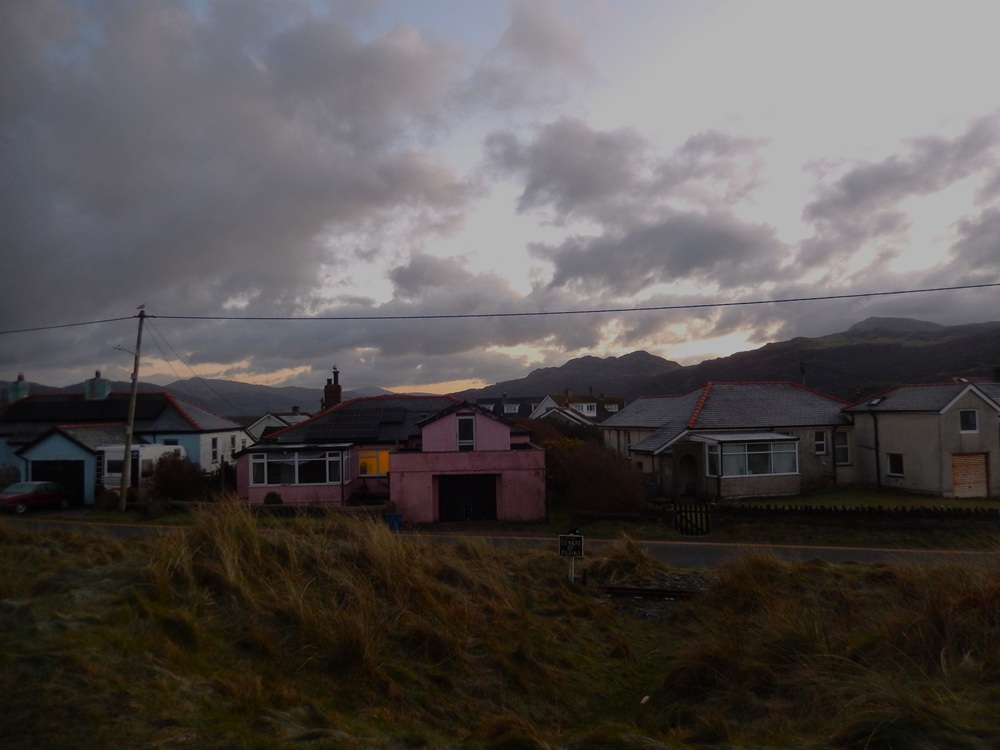
In retreat, it has left a lick of black ice by Penrhyn Bar and Grill, and frost around a brave new-build. Daylight brings acolytes. Steam from someone’s central heating. A storm of sparrow squabbles bursting out of a hydrangea bush.
Running along the glacial spit protruding into Aber Mawddach is a narrow-gauge railway which replaced the horse-drawn tramway built at the end of the 19th century by flour magnate Mr McDougall. He used it to transport construction materials for the embankment and resort he was building on land reclaimed from the sea.
[mid-content-banner]
Turnstones
At the end of the spit, high tide. Waves gobbling the beach and the sound of stones rocking like cradles. I startle two small flocks of turnstones into flight. They make a monochromatic flicker against dawn-blushed detergent-white surf.
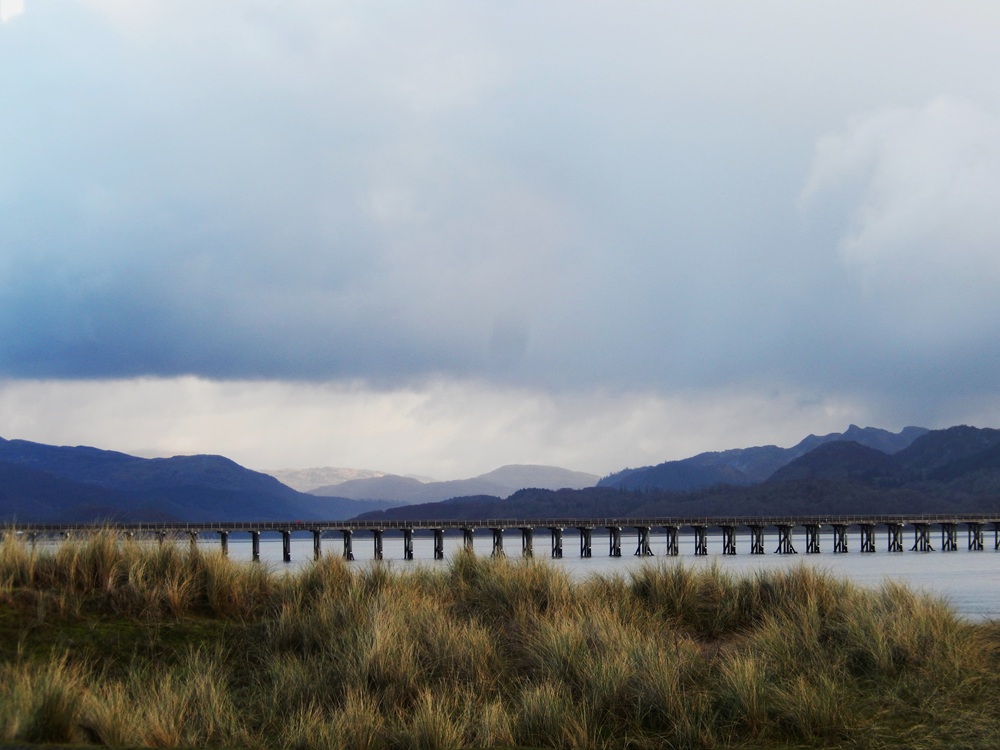
The 1860s viaduct is etched across Aber Mawddach like a technical drawing. It gives you a curious feeling to peer at the cloud squatting on Cader Idris.
To imagine being in that cold vapour looking down at this surf-pummelled spit.
A small wave runs along the sand like fingers over a piano and a low-flying cormorant sweeps around the point to join four more on a rock.
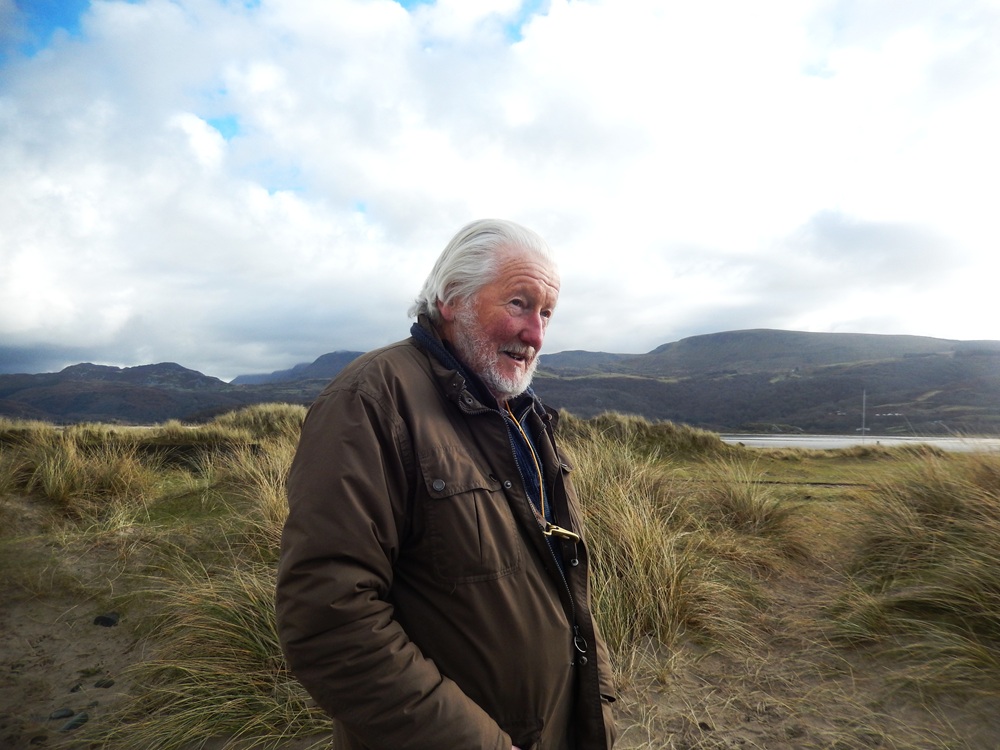
My friend Rennie lives in the wooden house I can almost see on that wooded hill. He’ll be inspecting his moth traps about now.
It was Rennie who told me cormorants don’t have oil in their feathers and that’s why they hang their wings out to dry.
The tide, having ballooned all belligerent over the estuary is now in rapid retreat, causing ripples near the point to swell into fierce little whispering hills.
A great-crested grebe pops up like a cork and looks left and right before submerging.
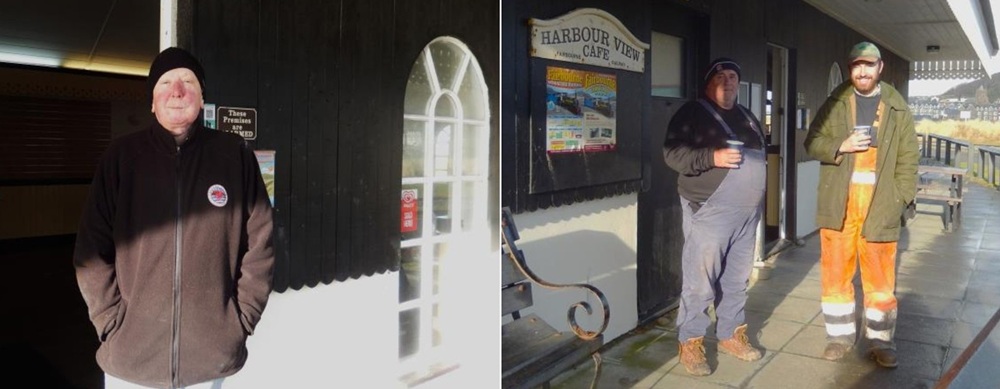
‘We had so much trouble getting the card payments to work’ says Ron from the railway, unlocking the station for people to make use of the vending machine. ‘It has to connect to Dubai first and then to the banks.
The café’s open Easter to October when the trains run. Karen Large is the manageress. It is Large in’t it, we’ve got a Little as well and I allus get ’em mixed up.’
Foam scuds past. Further out, the water’s like glass. Gulls and oystercatchers wait for the first bit of land, for the mirror to turn into sand.
[lower-mid-content-banner]
Dogwalkers
It’s a companionable spot. Dog walkers come and go. ‘The storm flipped the top off a pill box’ says one. ‘Are they ravens, kicking about up there? They’ve got like a deep throated noise. They sit on a post and laugh at you.
Greg would put dog treats for them under a stone.’ Bert snuffles under the bench while Val drinks her coffee.
She couldn’t open her car door last week with the wind. She says they’ve been filming in Fairbourne. ‘A detective thing, another dead body so that’s good because we thought it was going to be more BBC doom and gloom.’
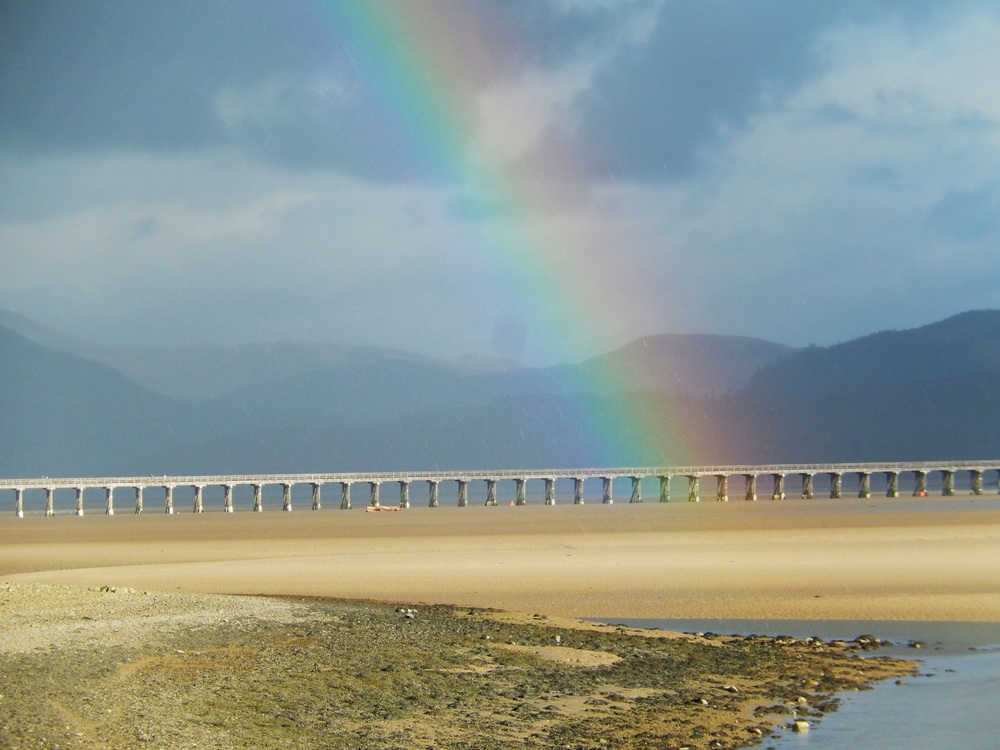
She is referring to the fact that as sea levels rise, Fairbourne - which is also at risk of flooding from rising groundwater and rain from the hills - is predicted to be under mean high tide in fifty years and cannot be saved.
But today the sun is shining. ‘Hello who’s this?’ the dog walkers say one to another. ‘Romeo. He’s a collie and one of his obsessions is pebbles.’
Kevin and Tom who’ve been repairing the track, pull up in a truck. ‘I came here to work’ says Kevin pointedly. ‘Everyone else came here to retire. Forty years on the forestry and fishing, now the railway.’ ‘You haven’t retired here,’ I say to Tom, who is young. ‘Not yet’ he laughs.
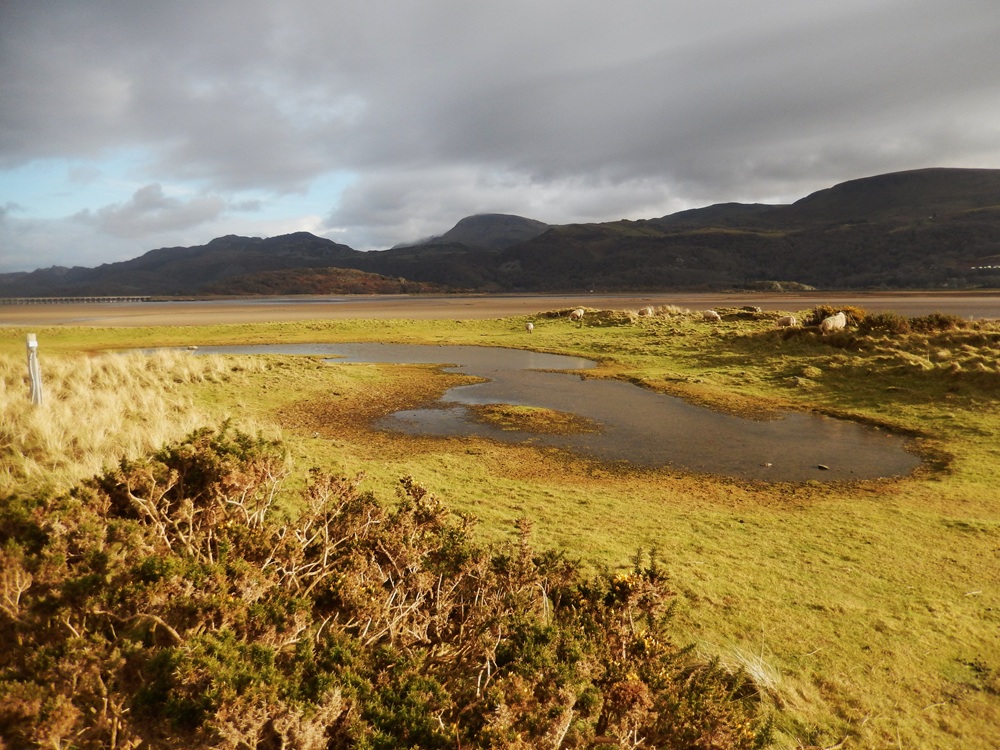
Rock pipits feeding on the saltmarsh are flushed by each passer-by. Resident birds are swelled by flocks of overwintering migrants from northern Europe. Or maybe they’re meadow pipits. Here’s Rennie. He’s not sure which they are either.
Rennie, who has reported 340 species to the county recorder, had twelve spring ushers in his moth trap today. His rarest is the Clifden Nonpareil, also known as Blue Underwing. ‘It’s not just that it’s lovely to see them, but the nerdy side of me enjoys entering them down with the date in my book’ he says.
Rennie can’t stay overlong because he has to take delivery of an armchair, having caught himself watching an antiques programme filmed in Laugharne (Talacharn), which reminded him he had a CD of Richard Burton reading Dylan Thomas.
Unable to find it, he ordered another on Amazon and noticed that a reviewer recommended listening to it with a whisky. ‘So I ordered a bottle of Bushmills too. And then a proper whisky glass. And then I thought I needed an armchair, because whisky’s not a guzzly drink like Special Brew.’
Warmth draws scent from the grasses. A stonechat on a stalk. Chip chip. A click of dog leads. Click click.
'Beautiful'
Paul has just moved here from Liverpool. ‘I lost Maria six years ago. My friends all said “what’ll you do, you’ll be lonely” so I send them little videos and they can’t believe how beautiful it is, they’re coming down in a minibus.’
When he’s gone, goldfinches return to the gorse. Fairbourne is like that; full of flux. Arrivals and retreats.
Afternoon brings fizzing silence and a special kind of blue to the saltmarsh where twelve wigeon come gliding down a channel with light on their russet-red heads.
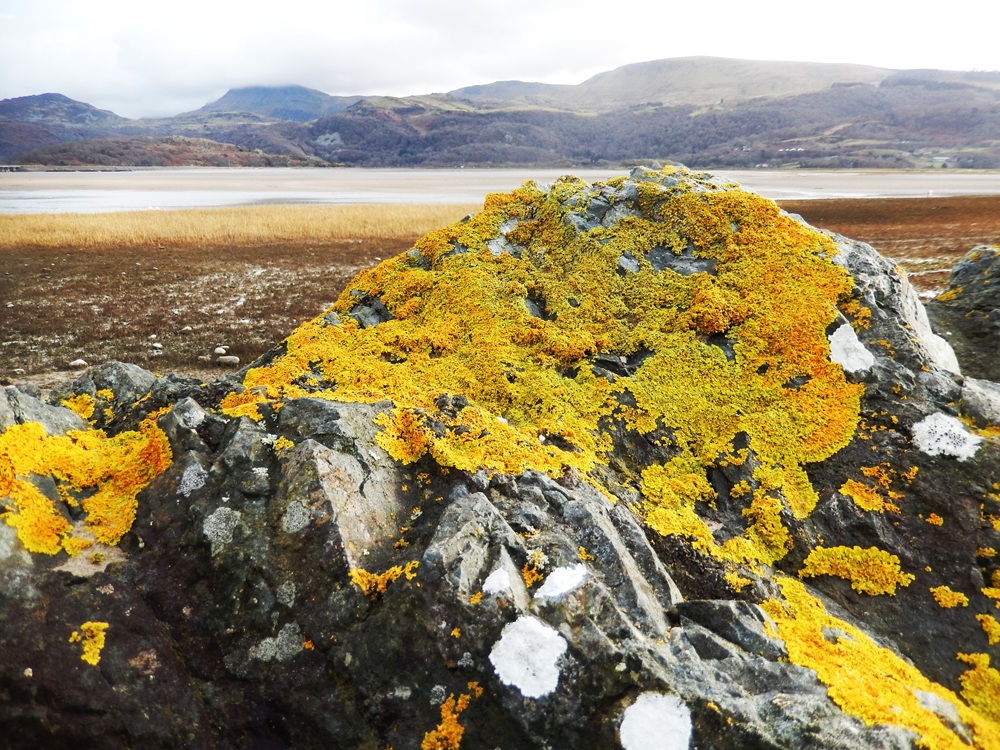
Slack tide and the sea is far out. Down on the firm sand, a gull, an oystercatcher and a crow take turns to pick at a fish head. I walk right around the exposed rocks and too late see the dunlins there, roosting in crevices.
Don’t take flight! Those hard-won calories are not easy for you to replace. The dunlins peep at me with beady black eyes and sit tight.
Support our Nation today
For the price of a cup of coffee a month you can help us create an independent, not-for-profit, national news service for the people of Wales, by the people of Wales.
Get more trusted Welsh news
Choose Nation.Cymru as a preferred source in Google News to see more of our journalism.