


Feature
Does your child need more protein? The answer is probably not
Sophia Komninou, Lecturer in Public Health Nutrition, Swansea University
Protein is everywhere nowadays. From yogurt to breakfast cereal, bread to pasta or even chocolate bars, the obsession with making sure we get enough protein has seemingly taken over our diets.
This push for protein has even started to trickle down to children, with parents now worrying their kids aren’t getting enough of it. While protein is certainly an important nutrient for growing children, most will already get more than enough protein from their regular diet and won’t need fortified foods to “boost” their intake.
Adults usually need between 0.8g and 1.2g of protein per kilogram of bodyweight. But infants, toddlers and children all have high protein needs relative to their body size because of their very rapid growth – so this factor is much higher.
That might lead to parents to think they need to provide large amounts of protein to their child or worry that if their child isn’t getting enough it will stunt their development. But because children have a much lower body weight compared to adults, the amount they actually need is still significantly less than what the average adult needs daily.
[mid-content-banner]
Body weight
For babies under a year old, recommended protein intake is between 12-15g of protein per day. They require such a high amount of protein in proportion to their body weight because of how fast they grow – doubling their birth weight in the first six months and tripling it by their first birthday. Their protein needs are usually covered by their normal breast milk or formula intake.
Up to three years of age, as their development gets less rapid, children need around 15g of protein a day. From age four to six, children need around 20g of protein per day as their body weight increases. From six to ten, they need around 28g of protein per day.
From then on, the recommendations differ between boys and girls as they reach puberty at slightly different rates. From the ages of nine to 13, boys and girls both need around 34g of protein per day. But from age 14-18, girls need approximately 46g of protein while boys need 52g.
[lower-mid-content-banner]
Protein intake
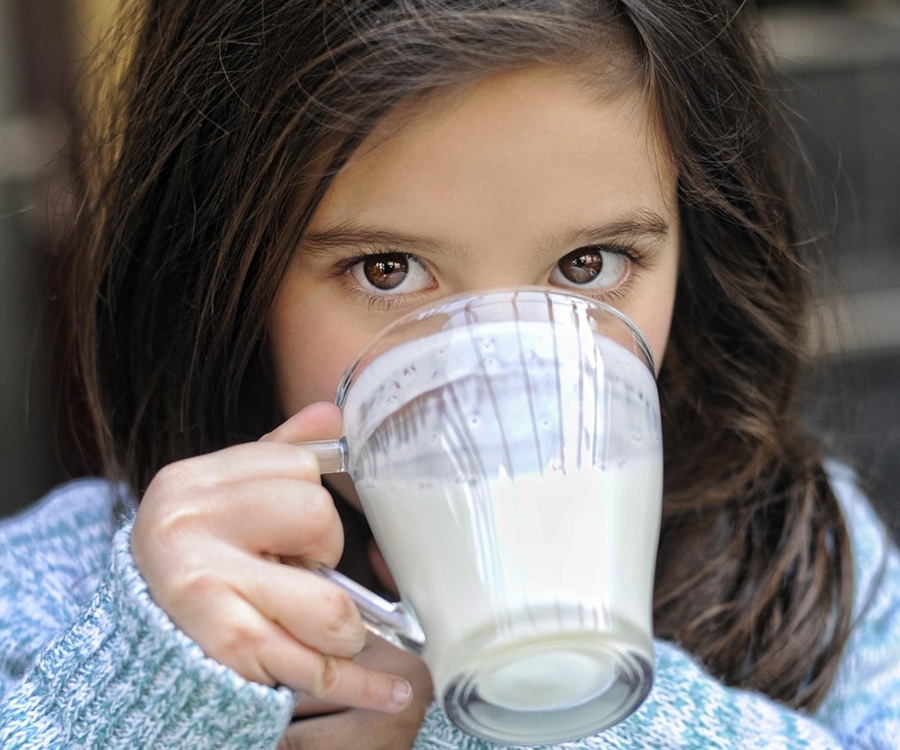
Your child’s daily protein needs are probably already being adequately met through their usual diet. To illustrate how when it comes to actual food intake, a cup of milk (240ml) or half a cup of lentils or beans contains 8g of protein, an egg or one slice of cheese has around 6g of protein and 100g of Greek yoghurt or 40g of chicken contains 10g of protein.
There’s also protein in many foods that we don’t normally associate with protein. For instance, pasta has 5g of protein per 100g, rice around 3g per 100g and bread has around 2g per slice.
So, unless your child is an extremely picky eater, it’s unlikely you need to actively count their protein intake daily or find ways of sneaking extra protein in with fortified foods, protein powders or adding high-protein ingredients to recipes. Their diet alone should be sufficient.
What’s more, focusing too much on specific nutrients could create a stressful environment around mealtimes. This could affect a child’s relationship with food in the long term.
Under consumption
Focusing solely on protein consumption could also potentially lead to under consumption of other nutrients that offer different health benefits. For example, when focusing on high-protein diets for toddlers and children, the rest of their diet might end up lacking fruits and vegetables as they’re considered low protein. But fibre is essential for gut health, so this could lead to health problems such as constipation.
Fast-growing toddlers and children also need more that just protein for growth and development. They need a combination of many macro- and micronutrients – including carbohydrates and unsaturated fats, which are often found in foods that aren’t protein rich.
Protein increases feelings of fullness by slowing stomach emptying. This could reduce hunger and overall food intake – including intake of these other nutrients that are important for development. For more picky eaters that could lead to even more restricted diet.
Too much protein has also been shown to have a negative effect on the kidneys, liver and bone density in adults. However, the evidence is still not there yet for children on how much is too much. But what we do know is that high animal protein diets have been associated with excessive weight gain early in life so too much protein may best be avoided.
Protein is an essential part of your child’s diet, important for their growth and development. But most will get more than enough from the foods they normally eat and won’t need products such as protein shakes or protein supplements.
This article was first published on The Conversation

Support our Nation today
For the price of a cup of coffee a month you can help us create an independent, not-for-profit, national news service for the people of Wales, by the people of Wales.
Get more trusted Welsh news
Choose Nation.Cymru as a preferred source in Google News to see more of our journalism.
