


Feature
'Divided' and ‘sorry': Telegraph article gives predictably damning verdict on Drakeford legacy'
Stephen Price
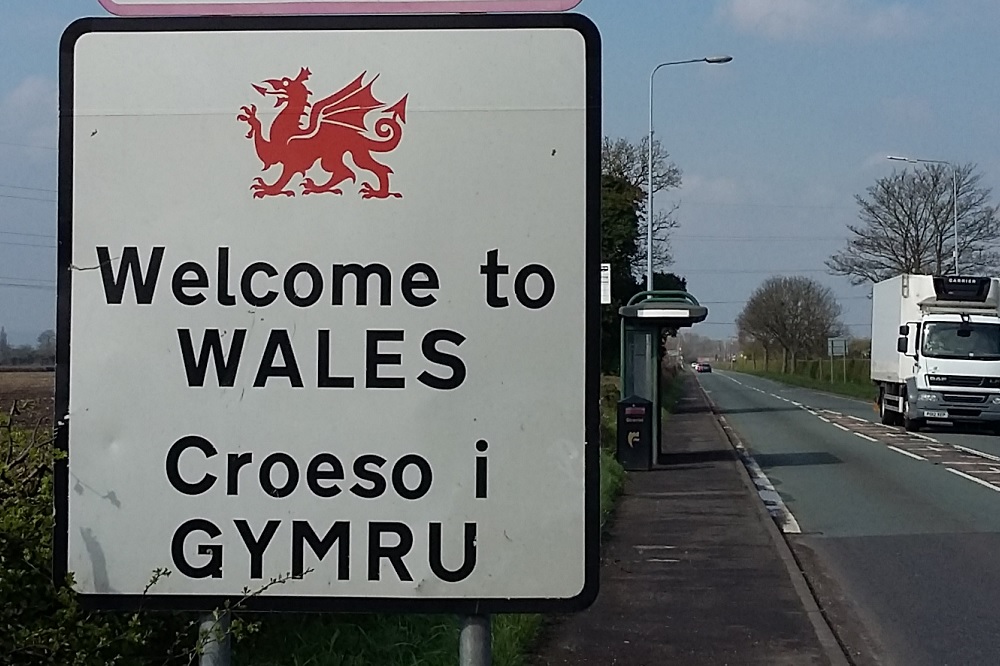
An article in the Telegraph has attacked the legacy of Mark Drakeford and the “sorry situation” of Wales’ economy, health and education metrics - comparing “divided” and “anti-car” Wales to a “one party state”.
The article, written by Ben Wright and Gwyneth Rees which appeared in the Telegraph on Saturday (23 March), looks back at the five year tenure of former Labour First Minister Mark Drakeford, whose controversial successor Vaughan Gething was confirmed this week.
20mph speed limit
Mark Drakeford’s role in the introduction of the 20mph speed limit, and the decision to withdraw from plans for an M4 relief road which campaigners feel is essential to alleviate “horrendous traffic” around Newport, are the first issues that come up for criticism in the article.
The writers use Wales’ traffic policies as a "metaphor for a country that has struggled to shift out of first gear during Drakeford’s tenure” - adding Wales’ Six Nations result into the mix as a sign of a struggling nation.
On the 20mph limit, leader of the Welsh conservatives, Andrew RT Davies is quoted as saying it: “crystallised in people’s minds how much they dislike this and other policies of Drakeford”.
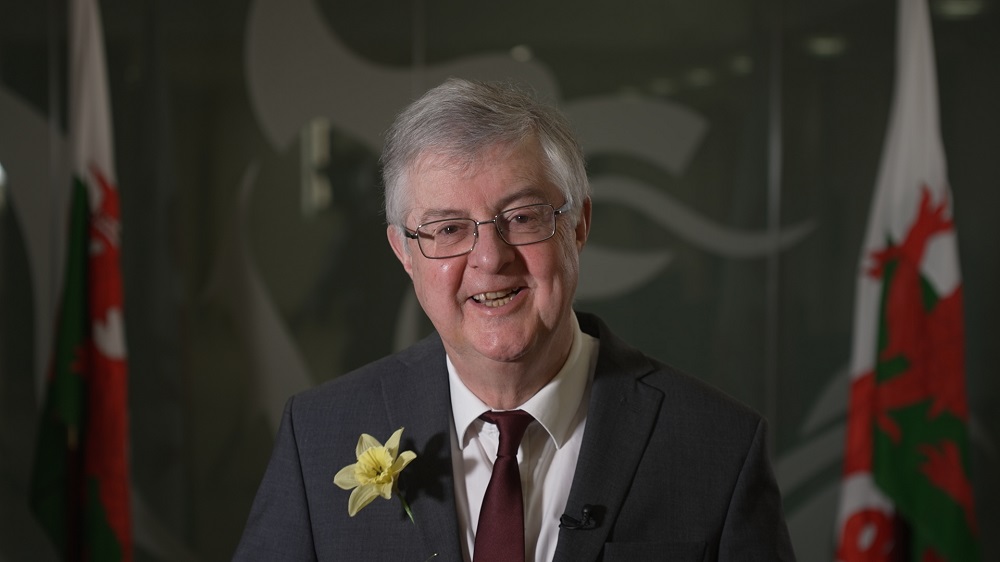
The writers describe Drakeford as a "contradictory figure", who "the unkind" might call “dull” - "dismissive of criticism and scornful of legitimate scrutiny."
In a more scathing comment, he is described as "anti-business, anti-farming” and "anti-tourism.” They say he "has stymied investment his country so clearly needs."
[mid-content-banner]
Over two decades of Welsh Labour
The article continues: "Wales increasingly gives the impression of being a one-party state. Labour has been in power continuously since devolution just over 25 years ago, with the Conservatives unable to escape the long shadow of Margaret Thatcher and the miners’ strikes and Plaid perceived as being the party of Welsh speakers (estimated to be less than 30 per cent of the population)."
Referring to Mark Drakeford’s own personal problems, including the loss of his wife in January last year, they quote his words: “The last 12 months have been the hardest and the saddest of my life.”
The writers also claim that devolution has given Welsh politicians an ability to claim credit for Wales’ good, whilst pointing the finger at Westminster for anything bad.
Metrics
Referring to Wales’ position in UK metrics - specifically health, education and the economy, the authors lay the blame for the "sorry situation” on "the decline of heavy industry in the 1970s, a dearth of decent infrastructure and a lack of 20th-century skills". They claim things are going backwards.
“While poor productivity is a UK-wide malaise,” the authors say, "Wales nevertheless contrives to bring up the rear behind most other regions."
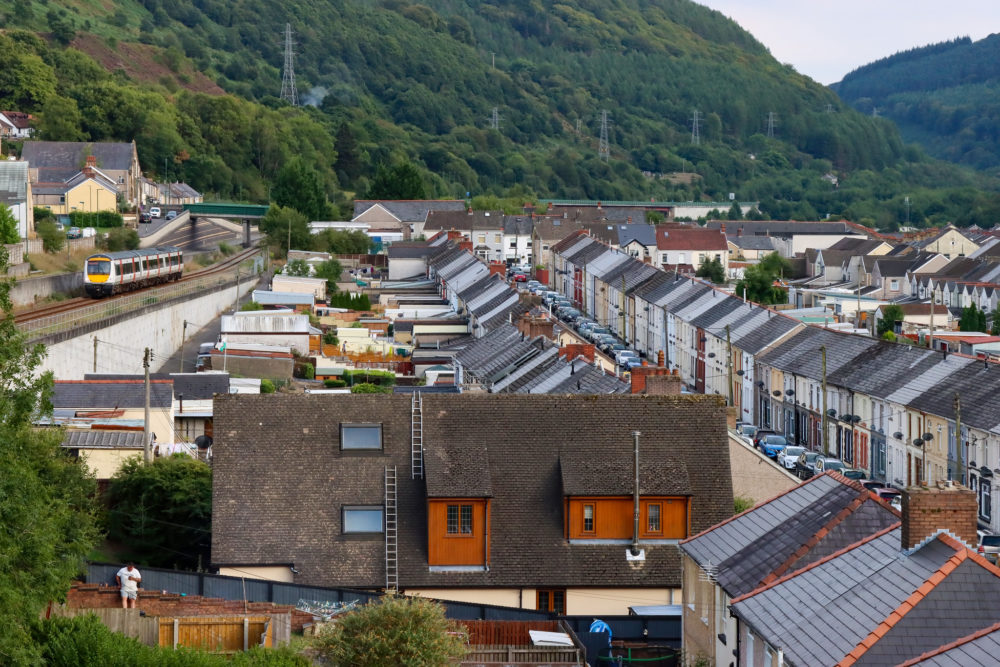
The economic inactivity of Blaenau Gwent - and its high rate of long-term illness - is mentioned, as are Wales' PISA scores to which Andreas Schleicher, who runs the PISA test at the OECD, is quoted as saying: “It’s not just that Wales is the lowest performing region in the UK but it’s also the one with the steepest decline.”
[lower-mid-content-banner]
Tourism
According to Wright and Rees, the Welsh Government appears to be actively discouraging people from travelling to Wales, in contrast to the flow of people they say are moving from rural Wales in search of employment and opportunities.
The council surcharge and tourist levy are used as examples of Wales’ “confounding" position on its tourism sector.
Drakeford’s most insidious legacy, they say is "leaving Wales a nation increasingly divided between the densely populated urban conurbations in the south and the wide-open rural areas that constitute the vast majority of the country."
To highlight this metropolitan versus rural divide, the authors discuss the Sustainable Farming Scheme and its aim to address the “climate and nature emergency.”
The writers mention Drakeford's move to cancel a number of engagements on his farewell tour because of security concerns and his controversial statements suggesting that farmers had themselves to blame for voting in favour of Brexit.
“Shuffle"
Questioning if Vaughan Gething will continue Drakeford's legacy or offer a clean break, the authors again look to Andrew RT Davies for his opinion.

He is quoted as saying: “I’ve studied the manifesto and with regards to health, education and the economy, it is the same story of continuing to fail to live up to aspirations. [Gething] will just shuffle the same old people around and continue to manage the decline.”
Returning to their 20mph metaphor, and pinning hopes for change on Gething Vaughan, the authors argue that Wales is badly in need of a leader that can steer the country out of the slow lane.
Read the article in full here.
Support our Nation today
For the price of a cup of coffee a month you can help us create an independent, not-for-profit, national news service for the people of Wales, by the people of Wales.
Get more trusted Welsh news
Choose Nation.Cymru as a preferred source in Google News to see more of our journalism.
