


Feature
Bob Dylan in Cardiff: part two Dylan and Idris Davies
Desmond Clifford
Bob Dylan spent only one night on Welsh soil on his first visit to Cardiff in 1966.
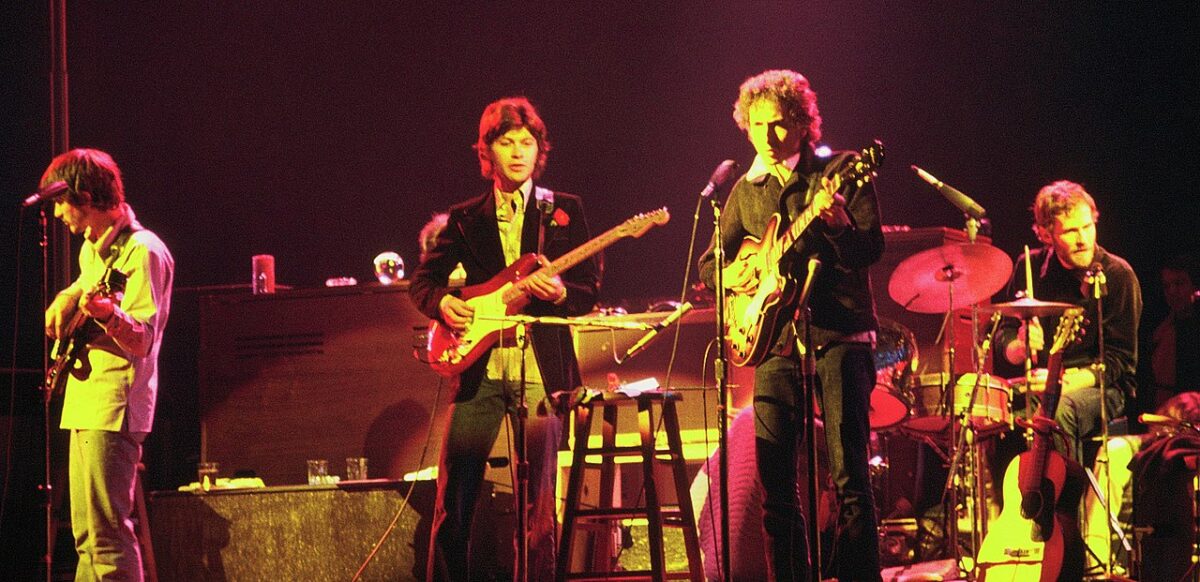
There is a photograph of him in his hotel, by Barry Feinstein. By amazing coincidence Johnny Cash played Cardiff the same night, at the Sophia Gardens Pavilion. There is footage of them hanging together and singing Hank Williams. Bob or Johnny, what a choice..
To appreciate the extent of Bob’s musical journey, listen to his first album, “Bob Dylan”, from 1962, and compare it with any of the output from 1966. The journey is immense, as great as The Beatles’ shift from their first album to Sgt. Pepper.
Then listen to Bob’s “John Wesley Harding” from 1970 to hear him go back again in the other direction; lean, spare and country, while the world was preparing for Led Zeppelin.
[mid-content-banner]
Motorcycle accident
Shortly after his 1966 tour Bob had a motorcycle accident and abandoned touring for a long time. It was 1995 before he came to Wales again. The Capitol Theatre closed in 1978 and the Arena was his new venue.
He has never played in Wales outside Cardiff, but he has appeared here 12 times in all. Could Bob have a soft spot for Cardiff? There are few cities in Europe, and nowhere in the UK outside London, where he has returned so frequently.
Bob has a well-developed sense of commerce and it’s just as likely that this, rather than sentiment for Cardiff, is the key factor.
After his motorcycle accident Bob retreated to a new home in Woodstock, upstate New York. He left excess behind, for a time at least, and cultivated family life. Music didn’t stop.
The Band, the world’s best and most neatly eponymous backing group, set up nearby and together they recorded copious material in Bob’s basement.
A selection of this material appeared as a double album released in 1975 as The Basement Tapes. For decades Bob has been mining his archives to profit from his back catalogue and to get one step ahead of the bootleggers (over the years I’ve known some deeply respectable people with significant illegal Bob bootleg recordings).
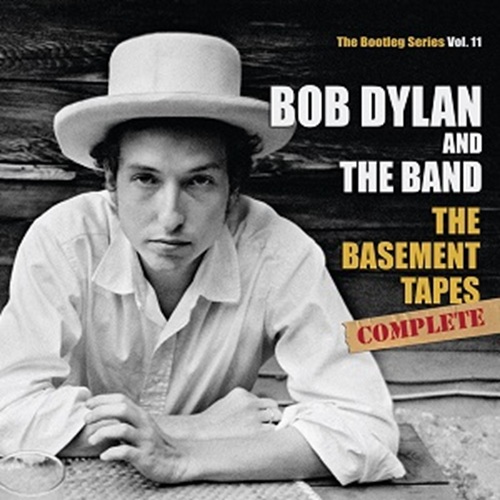
In 2014 the Basement Tapes Complete was released as volume 11 of the Bootleg Series. I am a fool and a completist for Bob’s work. As soon as anything new emerges I snap it up and I have a very full collection, sometimes in multiple formats: cd, vinyl, tape.
[lower-mid-content-banner]
HMV
I bought Bootleg 11 – for a price I was embarrassed by even in 2014 – from HMV in Cardiff, just a few doors from where the Capitol Theatre used to be. There are 6 CDs in this behemoth with 138 individual tracks: ditties, rehearsals, multiple-takes, Ricky Danko tuning up, variations of complete songs – this is one mother of a ragbag.
I take a very literal and procedural view of new material. I sit and play all the discs methodically and in order. I was delighted to discover track 13, disc 1: “Bells of Rhymney”, written by Idris Davies/ Bob Seeger.
There it is; Bob Dylan singing about Rhymney, Merthyr, Rhondda, Blaina, Caerphilly, Neath, Brecon, Swansea, Newport, Cardiff and Wye. And accompanied by Robbie Robertson, Rick Danko, Richard Manuel, Garth Hudson and Levon Helm. This obscure, hardly-noted connection of Bob with Wales remains a high point in my fandom.
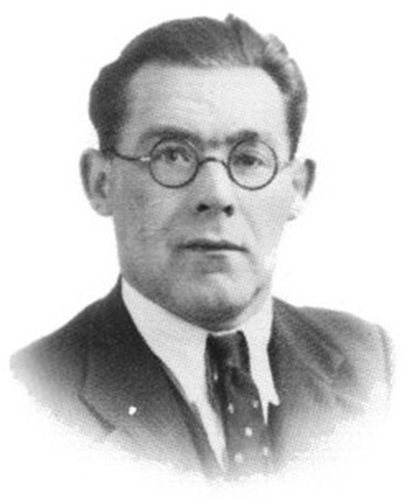
A short detour on Idris Davies. Regrettably, he’s not been much in fashion these last decades, which is a crime because he was a remarkable poet and man.
Born in Rhymney, he wrote a long autobiographical poem from this starting point. He left school at 14 and worked 7 years as a miner before becoming unemployed after losing a finger in an accident.
He struggled to get educated and, against considerable odds, became a schoolteacher. TS Eliot liked his work and Faber and Faber published a collection. He died aged only 48.
Idris’s work burns with intensity. He participated in the General Strike and produced an epic account of it in “The Angry Summer: a poem of 1926”. Next year marks the centenary and, hopefully, will lead to a revived interest in his work.
His other outstanding longer work is “Gwalia Deserta” – from which The Bells of Rhymney is taken – a testament to the exploitation of the South Wales coalfield.
Few poets have better captured the spirit of time and place, and his work should be promoted in our schools around Wales. Idris ought to be recognised as a giant in our culture.
Bob Dylan’s interest is less surprising than it might first seem. His first and greatest inspiration was Woody Guthrie, who Bob visited after his arrival in New York, in part to take possession of a poetic torch.
Injustice
Guthrie was motivated by social injustice and the plight of poor labourers trying to keep afloat in dustbowl America. Among his best-known songs were titles like: Dust Bowl Refugee, Tear the Fascists Down, Talking Dust Bowl Blues, 1913 Massacre, Ludlow Massacre. Bob came to hate the “protest singer” label, but that’s where he started from.
The Bells of Rhymney was set to music by Pete Seeger and released by him in 1958. A further version, better than Seeger’s, was released on The Byrds’ first album in 1965. Bob’s version was recorded in 1967 but only released in 2016.
I’m at the super-geeky end of the fan spectrum but it’s amazing to me to hear Bob Dylan sing out all those Welsh place names. Rhymney Council should play it on a loop at Idris’ memorial in the town (better talk to lawyers first!).
Bob has played Cardiff regularly over the years but crowd chit-chat is not his thing; I’ve seen him four times and never heard him speak a word. All the members of The Band have now passed away and Bob is the last survivor of the Basement sessions.
When he’s in Cardiff, does he recall, I wonder, that song he recorded at home in Woodstock in 1967?
Support our Nation today
For the price of a cup of coffee a month you can help us create an independent, not-for-profit, national news service for the people of Wales, by the people of Wales.
Get more trusted Welsh news
Choose Nation.Cymru as a preferred source in Google News to see more of our journalism.
