


Sat, 18th July Cardiff 22°
Nation.Cymru wordmark
Advertisement

Culture

Welsh had more legal status after Acts of Union than thought, lost National Library treasure trove reveals

By NationCymru
The National Library of Wales

The Welsh language had more de facto legal status after the Acts of Union than previously thought, a treasure trove of documents once lost within the National Library has revealed.

In his new book Ewyllysiau Cymraeg: Pennod Goll yn Hanes yr Iaith (Welsh Wills: A lost chapter in the history of the language) historian Gerald Morgan says that it was a surprise how many of the lost legal documents fund hiding in the National Library of Wales were in Welsh.

Discovered in the 1990s, the probate documents included wills, property lists and letters. But despite being banned as a legal language by the laws of 1535/42, many of the wills were written in Welsh.

A large number of the wills were dictated orally by family or neighbours who were with the sick on their death bed, and many were unable to speak English.

Gerald Morgan suggested that the Church in Wales had realised that whatever the law said the reality was they would have to recognise these Welsh language documents as legal documents.

Gerald Morgan, who lives in Aberystwyth, said: “I believe that this subject throws new light on a period in history.

“It shows a new attitude towards the relationship between English law and the Welsh language.”

Records of crime laws and civil cases would have been in English, he said.

[mid-content-banner]

'Ordinary people'
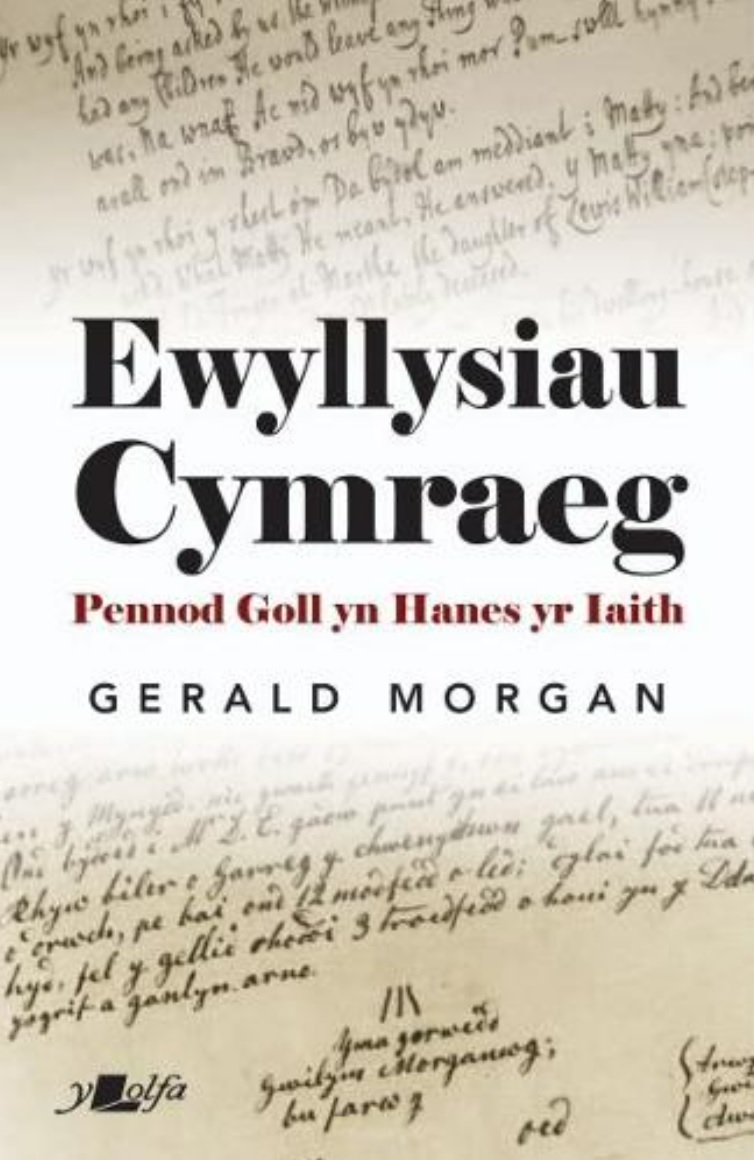
The book

The documents give a precious insight and are a means of studying the lives and families of people from the past – their furniture, their animals, their tools.

As in previous volumes, the author has shared a host of interesting and memorable stories as he takes us through the history.

“The book allows us to read the last words and wishes of some of Wales’ ordinary people from 1560 until 1858,” published Y Lolfa said.

Ewyllysiau Cymraeg by Gerald Morgan is available now (£9.99, Y Lolfa).

For the price of a cup of coffee a month you can help us create an independent, not-for-profit, national news service for the people of Wales, by the people of Wales.

Get more trusted Welsh news

Choose Nation.Cymru as a preferred source in Google News to see more of our journalism.

Choose Nation.Cymru as a preferred source in Google News

7 comments

Cymro

They are not called the "Acts of Union" unless you mean the laws which joined England and Scotland. What you are talking about are the "Laws in Wales Acts". Please be better than perpetuating the propaganda that this was a voluntarily entered into 'union', rather than an annexation.

Reply
I.Humphrys

Agree. Laws in Wales was/is oppressive.

Reply
arthur owen

The Church in Wales did not exist in C16,then it was four bishoprics of the Church of England.

Reply
Rhosddu

Those are important documents that reveal a very significant and previously unknown historical fact. Inevitable, when you think about it. I wonder if church (not chapel) services initially accommodated the Welsh language in the same way.

Reply
Kerry Davies

Latin and English. One of the causes of civil unrest was the forced payment of tithe to the church by a rural populace that didn't attend services they didn't understand.

Reply
Y Cymro

Absolute poppycock!. I know my history. If Welsh had more legal status after the Act of Union, why then was it illegal to speak Welsh in the House of Commons Chamber? And even today in 2022 only English & Norman French are favoured. The article refers to these Welsh language documents found at the National Library proves as new relationship between the Welsh language and English law. It's in the description. English law. Not England & Wales as propagated today. Those documents although written in Welsh had no legal status in Welsh law only English. And why? Welsh law was illegally removed when England annexed and removed our laws of Hywel Dda legal system, a system older than England. And as others have highlighted. This is article is perpetuating a falsehood to suit it's narrative whilst ignoring historical truth that after the Act of Union between Scotland & England in 1707 then later Ireland in 1800, in Wales no judge or solicitor could practice through the medium of Welsh as it was illegal. Those will were drawn up by Welsh speakers families as highlighted not anyone practising law as they would be prohibited from practising law. Read an excerpt take from the Act of Union Wales 1535-1542: "That all Justices, Commissioners, Sheriffs, Coroners, Escheators, Stewards, and their Lieutenants, and all other Officers and Ministers of the Law, shall proclaim and keep the Sessions Courts Hundreds Leets Sheriffs Courts, and all other Courts in the English Tongue; and all Oaths of Officers, Juries and Inquests, and all other Affidavits, Verdicts and Wager of Law, to be given and done in the English Tongue; and also that from henceforth no Person or Persons that use the Welch Speech or Language, shall have or enjoy any manner Office or Fees within this Realm of England, Wales, or other the King's Dominion, upon Pain of forfeiting the same Offices or Fees, unless he or they use and exercise the English Speech or Language." This was no Union but an Act of Rape. No one should condone the ethnic cleansing of a native people & culture by rewriting & whitewashing history. It's something Hitler would have been proud to put his name to.

Reply
Drew

There's no hiding the fact that England has tried tried and tried again to rid this Island of our people and ein iaith ni. For whatever reason we'll never truly know but the Saes of the past hated us, and hated the Scots n Irish too. But we are still here. Yma o hyd.

Reply

Leave a reply

Replying to Drew Cancel

There's no hiding the fact that England has tried tried and tried again to rid this Island of our people and ein iaith ni. For whatever reason we'll never truly know but the Saes of the past hated us, and hated the Scots n Irish too. But we...

Comments are reviewed before they appear.