Culture
Top 10 unexpected facts about the Welsh language that may surprise you
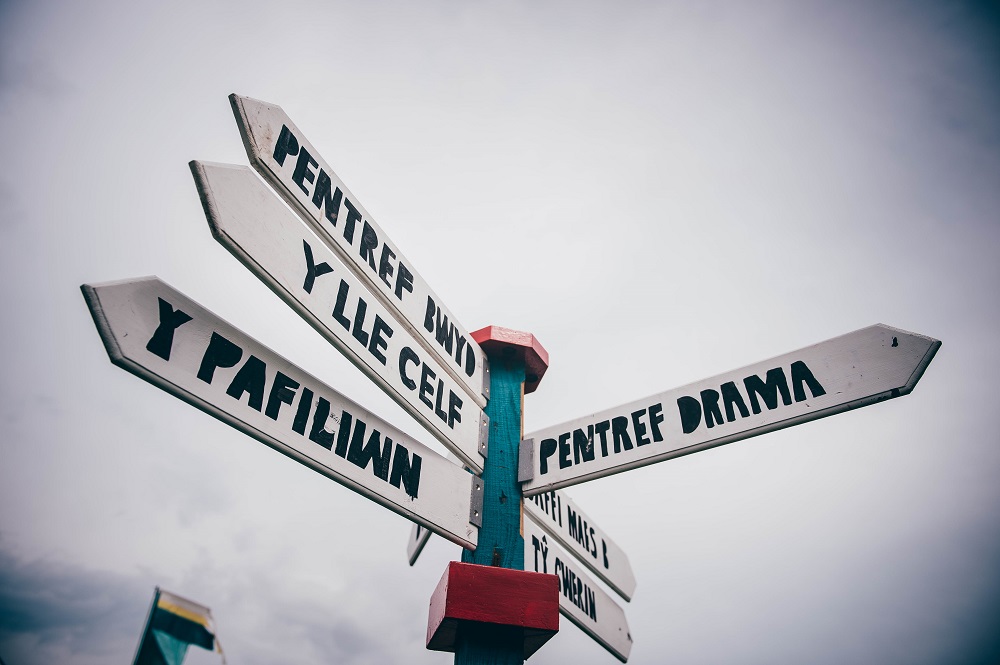
You may think that you know everything there is to know about the Welsh language - yes it's very old, yes it's spoken in Patagonia, yes there's a very long place name on Anglesey. And no, popty-ping isn't the real word for microwave.
You've heard it all before. But might we be able to surprise you with a few counterintuitive facts you didn't know about?
Read on to find out! And if you know any amazing facts that we haven't mentioned, leave them in the comments
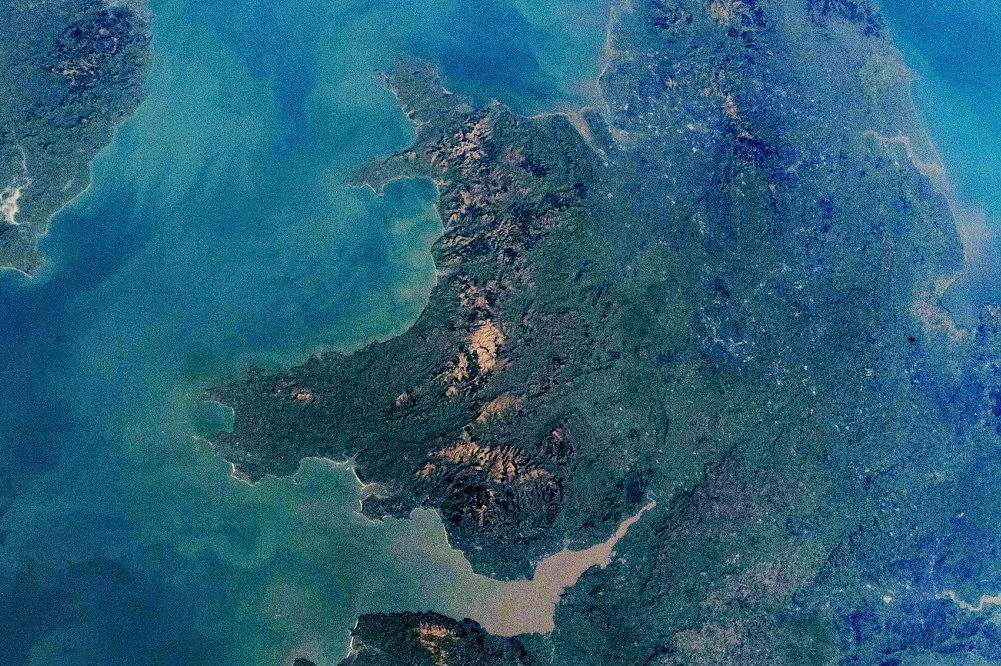
1.) There are a lot more Welsh speakers in the south
Many people from the south of Wales tend to think than Welsh speaking is a big thing in the north but not in the south.
But actually, there are more Welsh speakers in the south – and it’s not even close.
There are 491,600 Welsh speakers in the south of Wales and only 279,300 in the north. There are also 75,400 in mid-Wales, according to the 2020 annual population survey.
However, Gwynedd and Anglesey in the north-west of Wales have the highest percentage of Welsh speakers at 76.6% and 67.1%. There are more Welsh speakers in the south but the population there is much higher in general, so they make up a smaller share of the population.

2.) An earlier form of Welsh used to be spoken in Scotland
Edinburgh is now the capital of Scotland and the seat of the Scottish Parliament but if you’re Welsh you can stand at the top of Edinburgh castle and feel quite at home.
In the epic Welsh poem Y Gododdin there is a reference to Din Eidyn, "the stronghold of Eidyn". Edinburgh is called Caeredin in Welsh and this fortress has been generally assumed to refer to the rock where Edinburgh Castle stands today.
The poem was written at some point between the 7th and the early 11th centuries in Old and Middle Welsh, and tells of a band of warriors, who, after a year of feasting in their fortress, set out to do battle with the invading Angles in Yorkshire.
The literature and traditions of yr Hen Ogledd (the old north) still loom large in Welsh language culture today.
3.) There are almost as many Welsh speakers alive today as there have even been at any point
The narrative around the Welsh language tends to be that it’s in steep decline, and is dying off.
However there are almost as many Welsh speakers today as there have ever been alive at one time any point in the past – and perhaps more.
This is because when Wales was almost entirely Welsh speaking, at the start of the 19th century, the entire population was only around 500,000 people.
According to the 2020 annual population survey, there are 883,600 Welsh speakers today, not too far off the 1 million who could speak it at its peak at the time of the 1911 census.
However, as a percentage of the population, Welsh speakers have fallen. This is because while the number of Welsh speakers hasn't declined too much the population as a whole has increased from just under 2.5 million to over 3.2 million since the early 20th century.
But it’s possible there are more Welsh speakers now. The census does not record Welsh speakers outside of Wales. With the rise of the internet, and much more international travel, speaking Welsh while not living in Wales is easier than ever.
It was estimated in 2001 that there were over 100,000 Welsh speakers living in England, and there are between 1,500 and 5,000 in the Welsh communities founded in Patagonia too.
So it’s possible that there are actually more people able to speak Welsh alive today than at any other single point in history.

4.) The ‘unique’ sounds in Welsh aren’t that unusual
The ‘Ll’ sound that appears in so many Welsh place names might be considered by many to be unique to Welsh but it actually appears in a few other languages – but nowhere near Wales!
The 'll' sound is used in a number of Native American languages including Navajo, Creek and Chipawaya, and also in Zulu, Mongolian, Hmong, Faroese and two dialects of Chinese. It’s also used in Biblical Hebrew – perhaps that’s why Welsh is the language of heaven!
‘Ch’ is another sound that appears all over the world. Again in Hebrew, but also in Yiddish, German, Afrikaans, and Arabic, and many other languages.
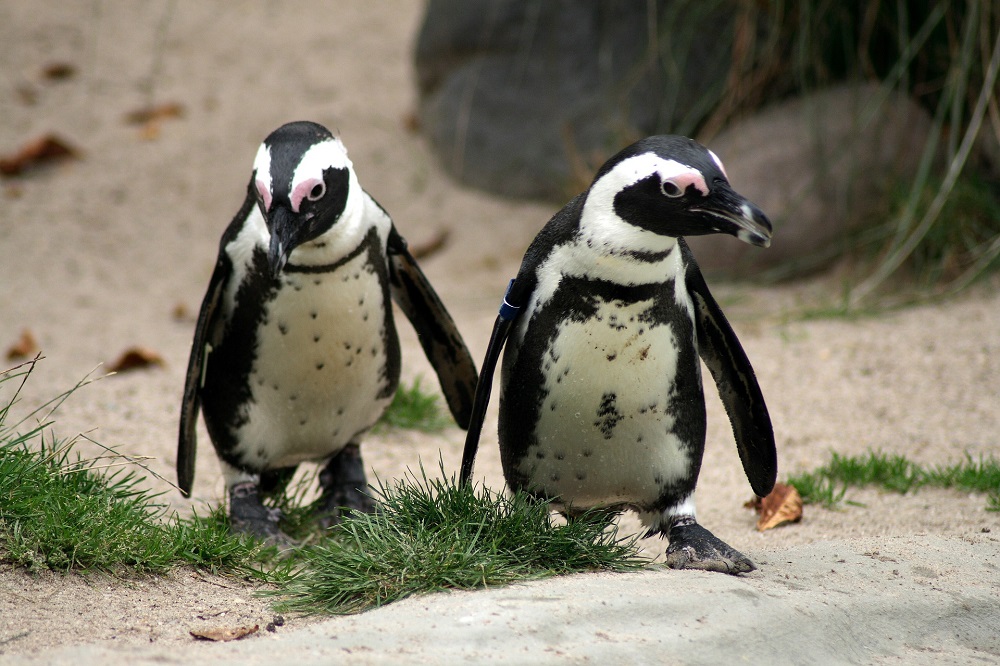
5.) The word ‘penguin’ very likely comes from Welsh
Penguin is thought to come from ‘pen gwyn’ or white head. The word penguin was originally applied to the great auk, which does have a white brow.
It’s the same word in the sister languages Cornish or Breton so it may have come via them, but ultimately from the same source.
Other words that travelled to English from Welsh include bard from bardd (poet) and corgi from cor gi - ‘dwarf dog’!
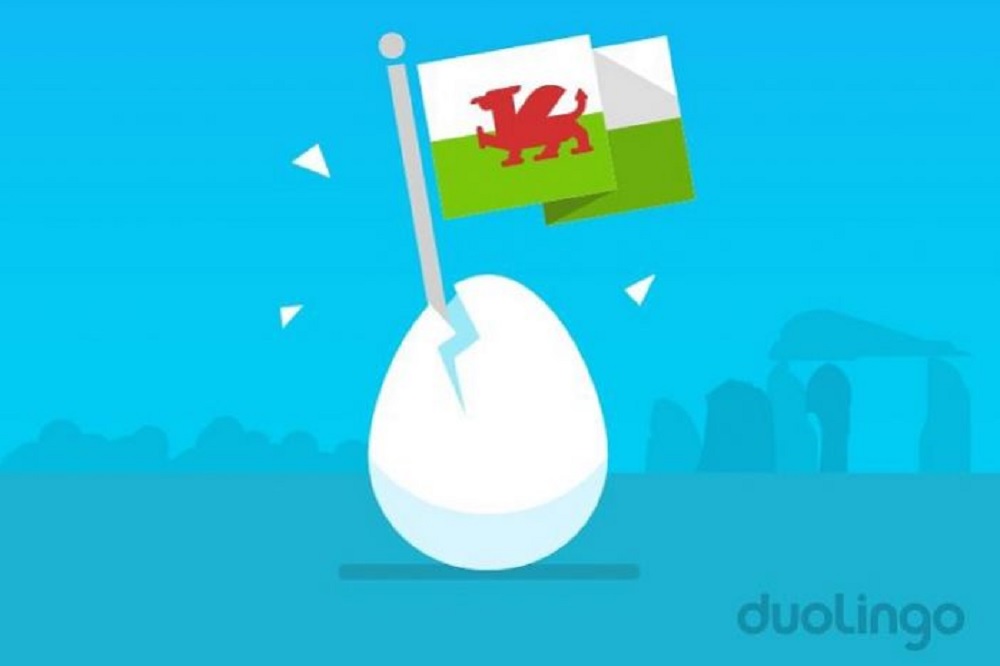
6.) Welsh is the fastest growing language on Duolingo in the UK
The Welsh language is now the fastest growing language in the UK on the language learning app, Duolingo, according to the company.
They said the number of new Welsh learners using its services has risen by 44% in 2020, outflanking Hindi, Japanese, Turkish and French.
To date, more than 1.5 million people have started learning Welsh on Duolingo.
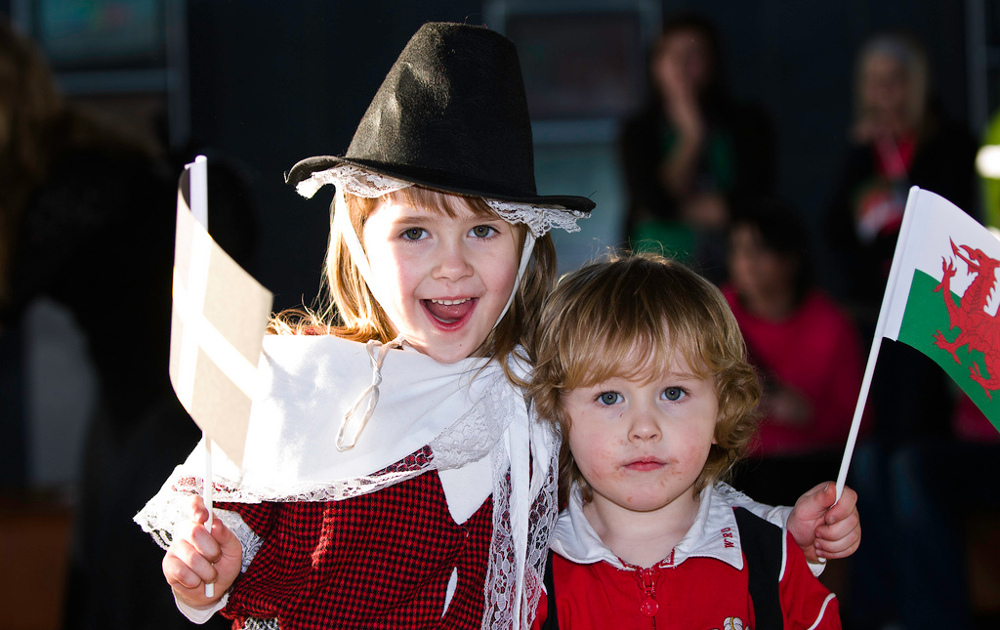
7.) Welsh speakers are young on the whole
There is a tendency to think that Welsh speakers are older but that is not in fact the case. Thanks mainly to the growth of Welsh language education, the ability to speak Welsh is concentrated in the younger age groups.
12-15-year-olds are the age group most likely to be able to speak Welsh, with 68% having some ability to speak the language, compared with only 21% of 65-74-year-olds.
The battle for the future of the Welsh language will be in ensuring that young people are given the opportunity to continue speaking it after they leave school.
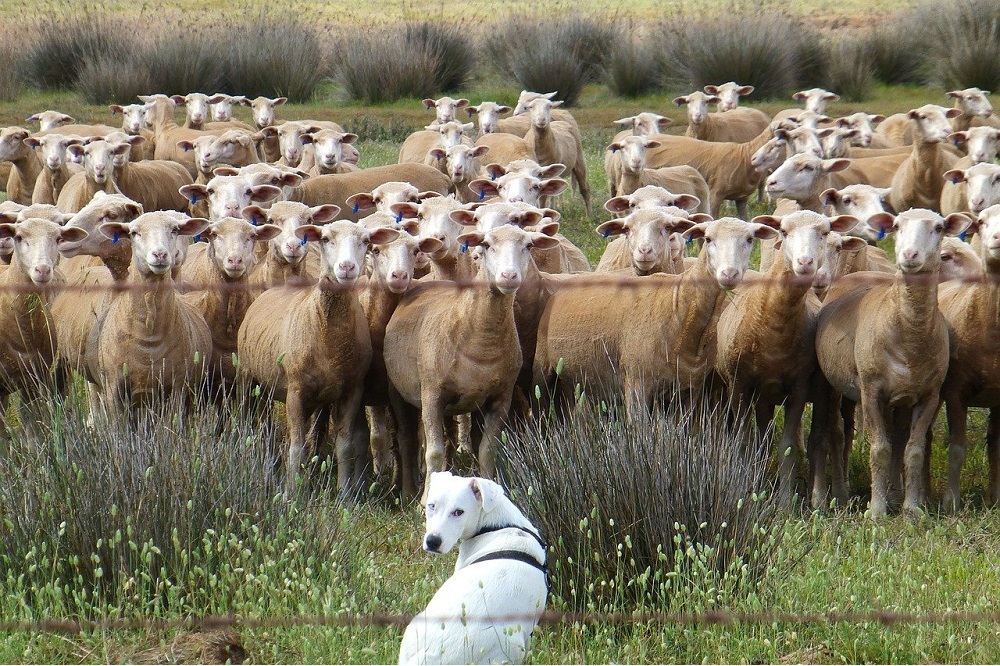
8.) An earlier form of Welsh was used all over England to count sheep until the early 20th century
Until the 20th century, sheep-counting systems used all over England derived from Brythonic, an earlier form of Welsh which was spoken all over the present British Isles.
Counting sheep was regular work for shepherds who grazed them on open, common land. The counting numbers remained very similar to modern Welsh, for instance, peddera for four, pip for five and dix for ten.
So when you’re counting sheep before going to sleep tonight, make sure you do so in Brythonic.
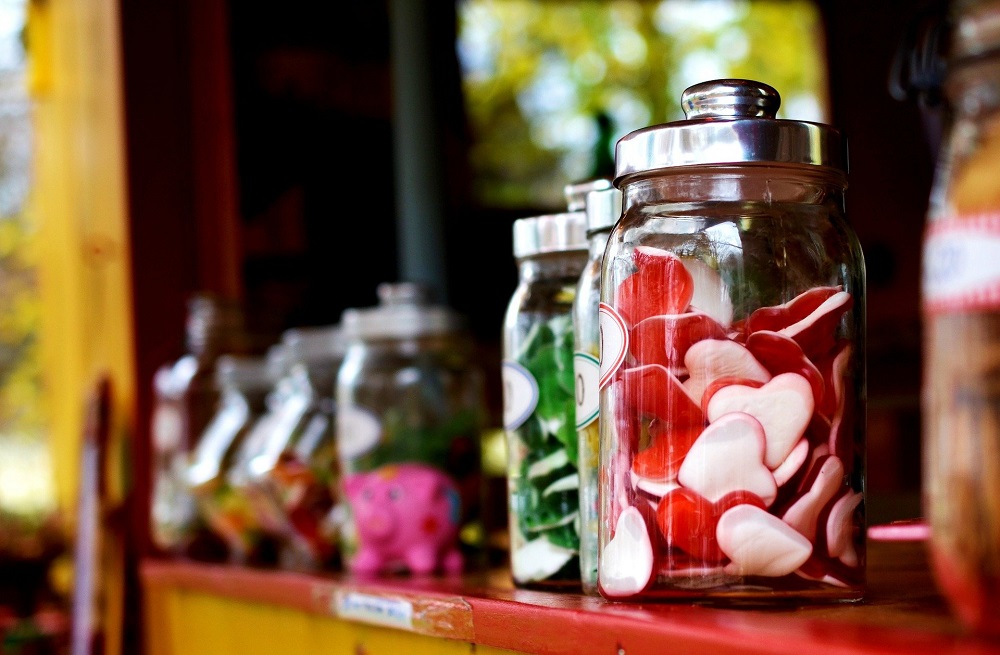
9.) Welsh has preserved some English words no longer used
English words have regularly ended up adapted for use in the Welsh language, but in some cases they’ve continued to be used in Welsh after dropping out of use in English.
For instance, one Welsh word for sweets is fferins which comes from the English fairing – a present bought at a fair.
Another example is cnaf, from the English knave, which is a common insult in Welsh but little used in English outside of an archaic historical context (or if you’re Jacob Rees-Mogg).
10.) Welsh didn’t always have separate words for blue and green
It will strike us who are used to having separate names for blue and green as odd, but the names for colours differ a lot between cultures and many languages have a single name for them.
Some languages group green and yellow together, and other languages group blue and grey together as a single colour.
Other cultures have words for different shades of blue and green, as English does with red and pink, and consider them different colours.
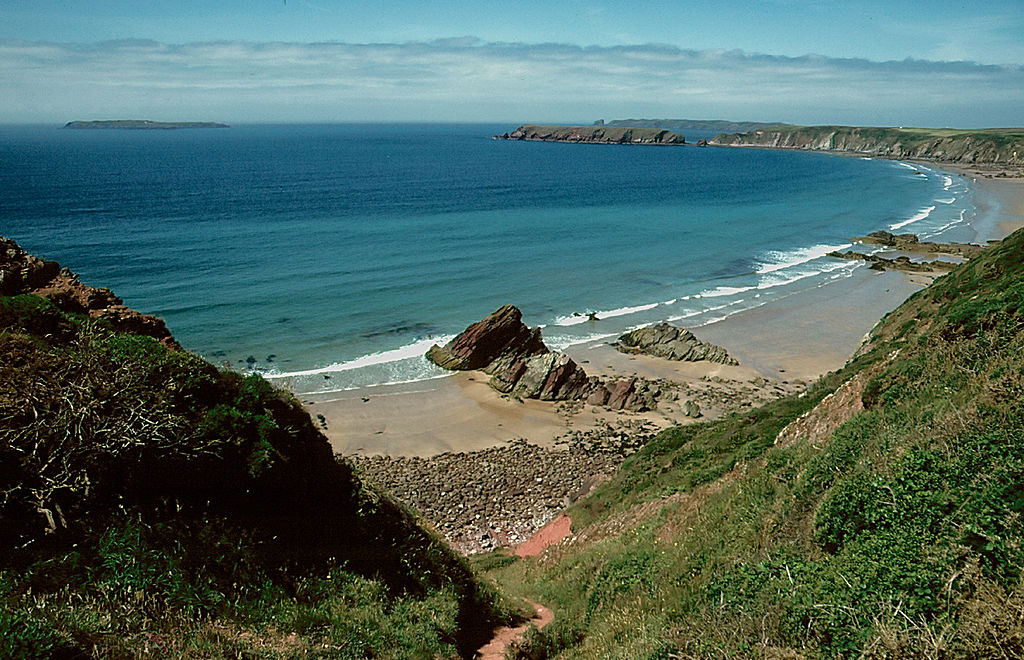
Welsh used to consider blue and green a single colour – glas – and this tradition continues in many words such as glaswellt (grass) and tir glas (green land).
Later on, perhaps under the influence of other languages, Welsh borrowed the Latin word viridis to describe gwyrdd, or green, as blue and green went their separate ways!
The grass is always bluer on the other side.

Support our Nation today
For the price of a cup of coffee a month you can help us create an independent, not-for-profit, national news service for the people of Wales, by the people of Wales.
Get more trusted Welsh news
Choose Nation.Cymru as a preferred source in Google News to see more of our journalism.
